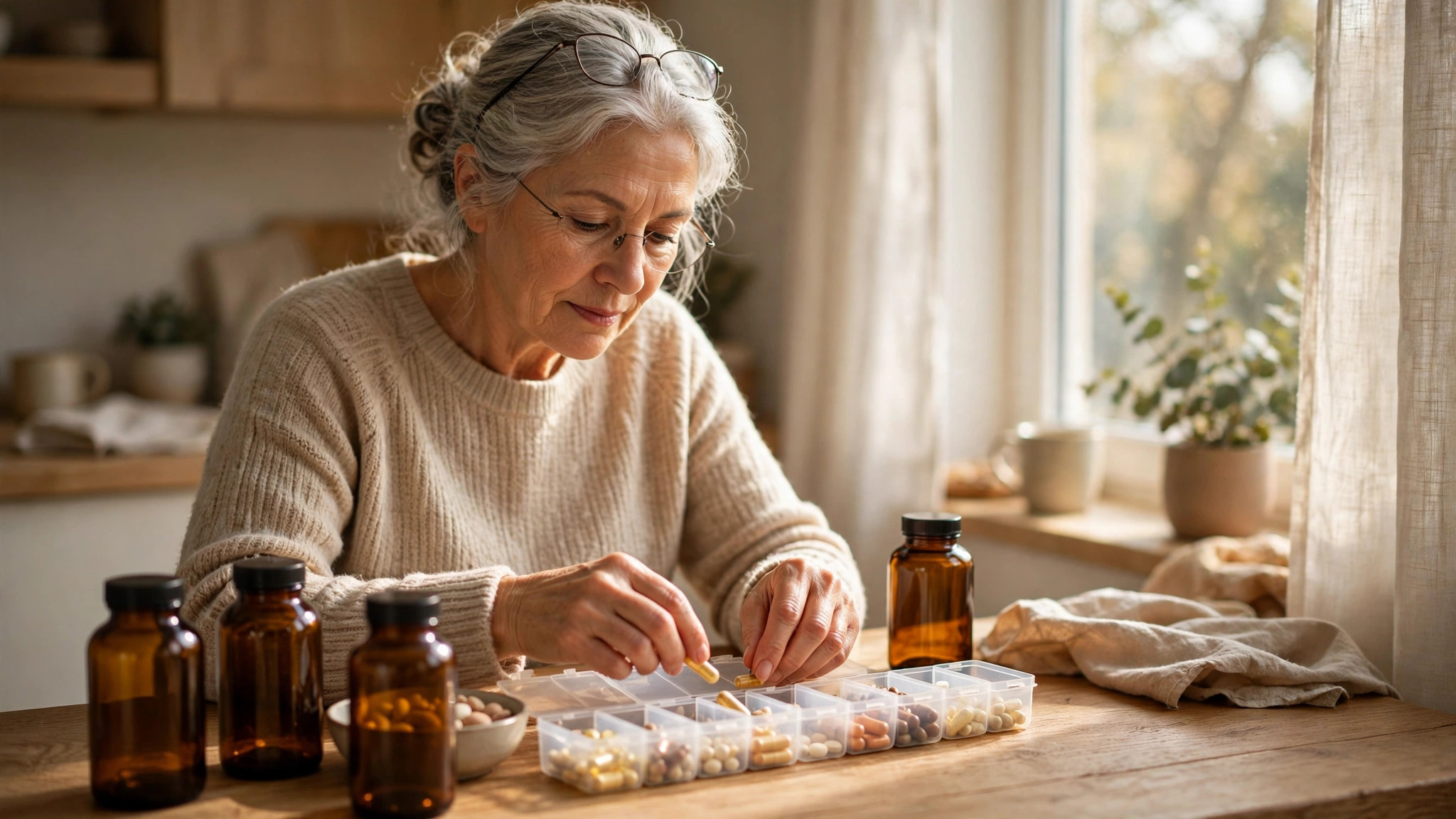
5 Supplement–Drug Interactions Every Adult Over 50 Should Know
Supplements feel like the gentle option. They come from plants, sit on the same shelf as vitamins, and never need a prescription. So it is easy to assume they cannot clash with your medicines.
That assumption is exactly where the trouble starts. After 50, most of us take more prescription medicines than we used to — blood pressure pills, a daily aspirin, diabetes medication, sleep aids. Every medicine you add makes your body a busier chemical workplace, and some supplements walk in and rearrange the furniture. The U.S. National Center for Complementary and Integrative Health (NCCIH) warns that herbal products can interact with medicines “in dangerous, sometimes life-threatening ways” — and older adults, who use both supplements and prescriptions more than anyone, sit squarely in the overlap.
This guide covers the five supplement–drug interactions health authorities flag most often for older adults — why each is risky, and the safe move for each.
1. St. John’s Wort + Antidepressants: Too Much of a Brain Chemical
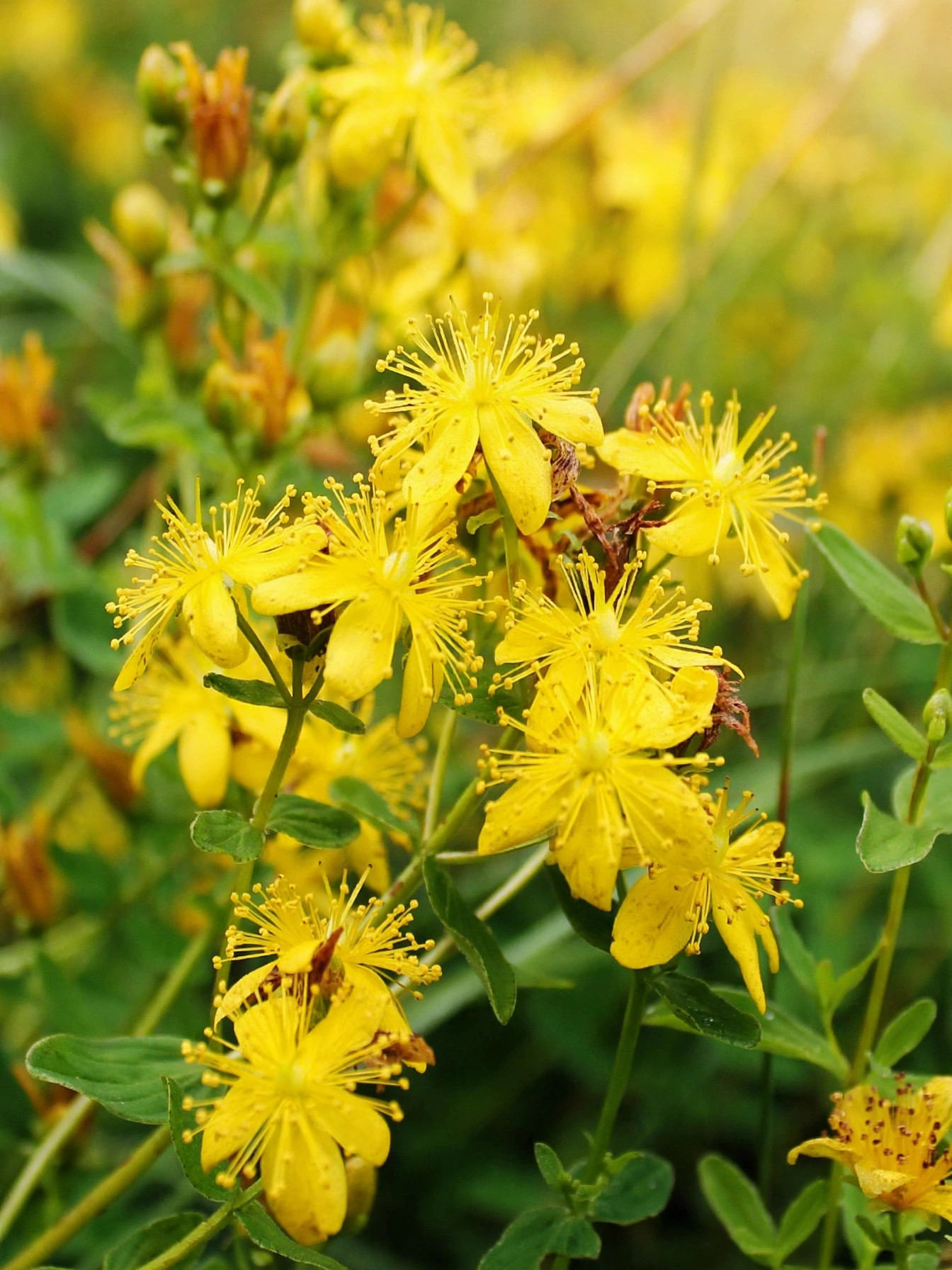
St. John’s wort is the herb with the longest rap sheet in the supplement world — and it earned it. The herb is widely promoted for mild or moderate depression — but NCCIH warns it “can interact in dangerous, sometimes life-threatening ways with a variety of medicines.”
The most urgent collision is with antidepressants that affect serotonin, including the commonly prescribed SSRI class. NCCIH states that taking St. John’s wort with certain antidepressants or other drugs that affect serotonin “may lead to increased serotonin-related side effects, which can be serious.” When serotonin builds up too far, it can cause serotonin syndrome — a dangerous, potentially life-threatening overload of the chemical.
It can also work in the opposite direction: St. John’s wort speeds up the body’s drug-clearing machinery, weakening many medicines — including blood thinners like warfarin, birth control pills, and certain statins.
What to do: If you take any prescription medicine — especially an antidepressant — talk to your doctor or pharmacist before using St. John’s wort or any herbal product. Never add it to an antidepressant on your own, and do not stop either one abruptly without medical guidance.
2. Ginkgo, Garlic, Ginger, and Ginseng + Blood Thinners: The Bleeding Risk
This is the interaction most likely to touch an older adult’s medicine cabinet. Ginkgo biloba, garlic, ginger, and ginseng are four of the most popular supplements in the world, and millions of adults over 60 take blood thinners such as warfarin or aspirin to protect against clots and stroke. These two worlds do not mix quietly.
Each herb has its own warning from health authorities:
- Ginkgo: NCCIH says ginkgo “may increase the risk of bleeding in people who are taking anticoagulant drugs, such as warfarin” — and the Mayo Clinic lists it among the herbs that “may raise your risk of bleeding” with aspirin, clopidogrel, or warfarin.
- Garlic: NCCIH warns that “taking garlic supplements may increase the risk of bleeding,” and singles out people taking “medicines, such as anticoagulants or aspirin” — adding that this is especially important before surgery.
- Ginger: Stanford Health Care’s anticoagulation clinic lists ginger as a supplement to avoid with warfarin because of “increased risk of bleeding, decreased platelet function.”
- Ginseng: NCCIH notes Asian ginseng “may interfere with blood clotting,” Stanford’s clinic flags “increased risk of bleeding,” and the Mayo Clinic adds that ginseng with warfarin “may lessen how well warfarin works.”
Turmeric and curcumin supplements are also widely flagged for people on anticoagulants, though the evidence there is thinner — mostly case reports and laboratory studies, with some conflicting results. Treat it as a “check with your pharmacist” situation.
Warfarin works inside a narrow window: too little effect and clots form, too much and bleeding starts — so a supplement that nudges either side can matter.
What to do: Before starting any of these — tell the doctor or pharmacist who manages your blood thinner, and mention them before surgery or dental work. Watch for unusual bruising, nosebleeds, bleeding gums, or blood in urine or stool, and tell your clinician promptly if any appear.
3. Green Tea Extract + Liver Injury: The Concentrated-Capsule Problem
Green tea itself gets a clean bill of health. NCCIH reports “no safety concerns” for green tea consumed as a beverage by adults — the daily cup or two is not the issue. The problem is the concentrated extract in tablet or capsule form, often sold for weight loss.
NCCIH states that “although uncommon, liver injury has been reported in some people who used green tea products, primarily green tea extracts in tablet or capsule form.” It also notes that people carrying a specific variant of an immune-function gene “appear to be especially susceptible” — and between 5 and 15 percent of Americans carry that variant. Weight-loss products are an extra wrinkle, because many combine green tea extract with other stimulant ingredients.
This matters because weight-loss blends are marketed hard to this age group — and your liver already processes every medicine you take.
What to do: If you use green tea extract capsules, powders, or weight-loss blends containing them, tell your doctor. Watch for signs of liver trouble — unusual fatigue, nausea, poor appetite, dark urine, or yellowing of the skin or eyes — and stop the product and call your clinician if they appear.
4. Valerian + Alcohol or Sleep Medicines: Drowsiness on Drowsiness
Valerian root is sold as a “natural” sleep aid, and many older adults reach for it instead of — or alongside — prescription sleep medicines. NCCIH’s guidance is direct: “Because it is possible (though not proven) that valerian might have a sleep-inducing effect, it should not be taken along with alcohol or sedatives.”
Stacking two sedating substances is simple arithmetic: each one slows your reactions a little, and together they can produce heavy daytime drowsiness, grogginess, impaired driving, and — the outcome older adults fear most — falls. NCCIH also notes that people who use valerian chronically and stop abruptly may experience withdrawal symptoms including anxiety, irritability, and insomnia, and in rare cases hallucinations.
The American Academy of Sleep Medicine actually recommended against valerian for chronic insomnia, because the evidence it helps is inconsistent — real downside, unproven upside.
What to do: Do not combine valerian with alcohol, prescription sleep medicines, anti-anxiety sedatives, or over-the-counter nighttime formulas without talking to your doctor or pharmacist first. If you already use it nightly, do not quit cold turkey after long-term use — ask your clinician how to taper. For sleep struggles after 50, our guide to science-backed healthy aging habits covers approaches with stronger evidence.
5. Berberine + Diabetes Medicines: Blood Sugar Can Drop Too Low
Berberine — a plant compound marketed for blood sugar and cholesterol support — has real glucose-lowering activity. Memorial Sloan Kettering Cancer Center’s herb database notes that berberine “may lower cholesterol, triglycerides, and blood sugar levels.” That sounds helpful until you add it on top of prescription diabetes medicines that do the same job.
MSKCC’s database explicitly warns against combining berberine with sulfonylureas, a common diabetes drug class: lab studies suggest berberine can affect how these drugs are metabolized. It also notes that berberine can slow the activity of liver enzymes (CYP2D6, 2C9, and 3A4) that clear many prescription drugs from the body — which can raise the blood levels of other medicines in unpredictable ways. Two glucose-lowering agents at once can push blood sugar too low, causing shakiness, sweating, confusion, or fainting.
What to do: If you take any diabetes medicine — metformin, a sulfonylurea, insulin, or others — do not add berberine on your own. Bring it up with your doctor or pharmacist first. And never stop or change a diabetes prescription because a supplement seems to be “doing the job.” For the full evidence picture, see our comparison of berberine and metformin.
The One Habit That Protects Against All Five

There is a single habit that neutralizes every interaction above, and health authorities repeat it almost word for word. NCCIH: talk with your health care providers about any complementary health approaches you use. The Mayo Clinic: talk with your healthcare professional before you take herbal supplements if you also take prescription medicines. MSKCC: tell your healthcare providers about any dietary supplements you are taking. Stanford’s anticoagulation clinic: before taking any of these supplements, consult with your pharmacist.
Yet the Mayo Clinic notes that “many people who take herbal supplements do not tell their healthcare professionals.” Make yourself the exception:
- Keep one complete list — every supplement, every vitamin, every medicine, with doses. The actual bottles work too.
- Bring it to every visit — doctor, dentist, and especially the pharmacist, who is the interaction specialist on your care team.
- Update it the day anything changes — the interaction that hurts you is always the one nobody knows about.
- Review it once a year — ask your pharmacist to screen the whole list for interactions, duplicates, and anything you no longer need.
This five-minute habit is also one of the seven medication mistakes older adults make — and how to fix them.

When to See a Doctor
Most supplement–drug interactions are preventable, but some need prompt medical attention. Seek care promptly if you notice:
- Unusual or easy bruising, nosebleeds that will not stop, bleeding gums, or blood in urine or stool — especially if you take a blood thinner and recently started a supplement.
- Agitation, confusion, racing heartbeat, high fever, or muscle rigidity after starting or combining products that affect mood or serotonin.
- Yellowing of the skin or eyes, dark urine, or persistent nausea and fatigue while taking concentrated herbal extracts.
- Shakiness, sweating, sudden confusion, or fainting if you take diabetes medicines alongside a blood-sugar-lowering supplement.
- A fall or near-fall after combining sleep aids, sedatives, alcohol, or valerian.
You do not need to wait for symptoms to act. If you are starting any new supplement while taking prescription medicines, a quick check with your doctor or pharmacist first is the safest version of this article’s advice.
Sources
- National Center for Complementary and Integrative Health (NCCIH) — “St. John’s Wort: Usefulness and Safety” (nccih.nih.gov)
- Mayo Clinic — “Herbal supplements and heart medicines may not mix” (mayoclinic.org)
- Stanford Health Care — “Warfarin: supplements to avoid with warfarin” (stanfordhealthcare.org)
- National Center for Complementary and Integrative Health (NCCIH) — “Green Tea: Usefulness and Safety” (nccih.nih.gov)
- National Center for Complementary and Integrative Health (NCCIH) — “Valerian: Usefulness and Safety” (nccih.nih.gov)
- Memorial Sloan Kettering Cancer Center — “Berberine” herb monograph (mskcc.org)
This article is for information only and is not medical advice. Always tell your doctor or pharmacist about every supplement you take, and talk to them before starting or stopping anything.