
Berberine vs Metformin: What the Evidence Actually Shows After 50
Scroll through health content long enough and you will meet the claim: berberine is “nature’s metformin” — and lately, “nature’s Ozempic.” The pitch is seductive: a plant compound that does what the prescription diabetes drug does, without the prescription.
There is a grain of truth in it. A 2008 pilot trial really did compare berberine head-to-head with metformin in adults with newly diagnosed type 2 diabetes, and the blood-sugar results were roughly comparable.
But “roughly comparable in one small, short trial” is a very different statement from “just as good.” Metformin has been the standard first-choice diabetes medicine for decades, studied in large, long-term trials. Berberine’s evidence is a handful of small, short trials. Here is what the evidence actually shows — facts for your next conversation with your doctor.
What metformin is — and why doctors trust it
If you have type 2 diabetes, metformin is very likely the first medicine your doctor reached for. The National Institute of Diabetes and Digestive and Kidney Diseases (NIDDK) states plainly: “Most people with type 2 diabetes start with metformin pills.”
Metformin helps your liver make less glucose and helps your body use insulin better, according to NIDDK; MedlinePlus adds that it also decreases the glucose absorbed from food. It is taken by mouth as a tablet or liquid, and NIDDK notes it “may help you lose a small amount of weight” — small being the operative word.
Common side effects are mostly digestive — diarrhea, nausea, stomach discomfort, and gas, per MedlinePlus. Rarely, it can cause lactic acidosis, a serious condition, which is why doctors check kidney function before and during treatment, with extra caution after 65.
MedlinePlus puts it plainly: metformin “controls diabetes but does not cure it,” and “Do not stop taking metformin without talking to your doctor.” It also reminds patients to disclose every herbal product and supplement they take — a line that matters a great deal for this article’s topic. Medication works alongside food and movement, not instead of them — including watching how much added sugar is safe after 60.

What berberine is

Berberine is a bitter, yellow plant alkaloid found in plants such as goldenseal, according to the National Center for Complementary and Integrative Health (NCCIH). It has been a staple of traditional Chinese medicine for more than 400 years, mainly for digestive complaints, per Cleveland Clinic. NCCIH notes berberine has been studied for its effects on blood sugar, blood cholesterol, and body weight.
In laboratory studies, berberine activates AMPK, a cellular energy switch involved in glucose metabolism — part of why researchers compare it with metformin. A laboratory mechanism, though, is not the same as proven long-term benefit in people.
The critical difference is status: berberine is a dietary supplement, not a drug. The FDA does not review supplements for safety and effectiveness before sale, and Cleveland Clinic warns that “most studies are small, not well-designed and need to be interpreted with caution.” NCCIH adds that some commercial herbal products contain ingredients not listed on the label. For the research and label checklist in more depth, see our honest guide to berberine supplements after 50.
The head-to-head evidence: what the 2008 trial actually found
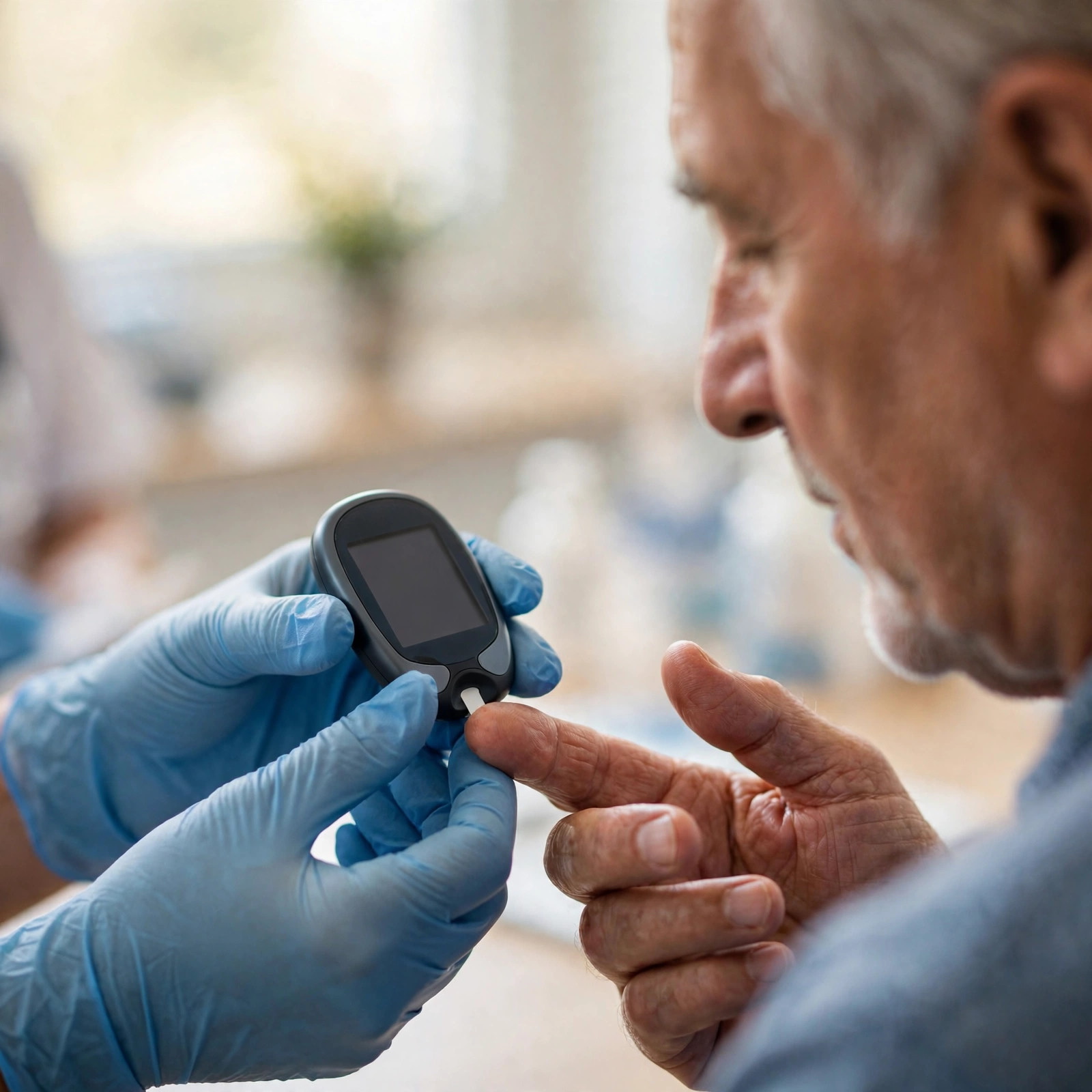
The trial behind this debate is Yin et al., published in Metabolism in 2008 and freely available through PubMed Central — a pilot study run at a single hospital in China.
Study A randomized 36 adults with newly diagnosed type 2 diabetes to berberine or metformin, both 500 mg three times daily for 13 weeks. The researchers reported “the hypoglycemic effect of berberine was similar to that of metformin”: average HbA1c fell from 9.5% to 7.5% on berberine and from 9.2% to 7.7% on metformin, with similar drops in fasting and post-meal glucose. On lipids, berberine did slightly better — triglycerides and total cholesterol ended significantly lower than in the metformin group.
Study B added berberine to the existing treatment of 48 poorly controlled adults: HbA1c fell from 8.1% to 7.3% over 13 weeks and insulin resistance dropped by nearly half. Average BMI did not change; waist circumference shrank modestly.
The limitations, stated plainly:
- Tiny. After dropouts for treatment failure, the head-to-head analysis covered just 15 people on berberine and 16 on metformin.
- Short. Thirteen weeks — no long-term data.
- Single center, single country. One hospital’s patients in China; results may not generalize.
- No placebo arm. We know how the two compared with each other, not with no treatment.
- Digestive side effects were common. The authors report 34.5% of participants had transient gastrointestinal effects. No liver or kidney damage was seen — but a 13-week trial says little about long-term safety.
Later pooled analyses report similar modest effects — but they pool mostly small, short trials, so the same weakness carries over.
Berberine vs metformin, side by side
| Berberine | Metformin | |
|---|---|---|
| Status | Supplement; not FDA-reviewed before sale | Prescription medicine, tightly regulated |
| First choice for type 2 diabetes? | No | Yes — “most people with type 2 diabetes start with metformin pills” (NIDDK) |
| Evidence depth | Small, short trials (weeks to months) | Decades of clinical use; studied in large, long-term trials |
| Blood-sugar effect | Real in small trials (HbA1c fell in the 2008 pilot) | Real in large trials, with long-term outcome data |
| Main side effects | Digestive upset in about a third of trial participants | Digestive upset (diarrhea, nausea, gas); rare lactic acidosis |
| Long-term safety | Largely unknown — trials too short for rare or slow effects | Well characterized (kidney checks; B12 worth discussing) |
| Drug interactions | Can interact with metformin and other medicines (Cleveland Clinic; NCCIH) | Disclose all medicines, including supplements (MedlinePlus) |
| Cost | Paid out of pocket; price and quality vary | Low-cost generic |
| Monitoring | No established protocol; home checks only if your doctor agrees | Kidney function checks before and during treatment |
The table’s message is simple: on a 13-week blood-sugar chart, berberine looks surprisingly capable. On every other measure — evidence depth, safety record, quality control — metformin is in a different league.
“Nature’s Ozempic”? The hype vs. the evidence
The glucose and HbA1c evidence for berberine is real — small trials, genuinely measured, peer-reviewed. The weight-loss evidence is far thinner: in the 2008 trial’s add-on arm, average BMI did not change at all.
And berberine is not a GLP-1 drug. Prescription GLP-1 medicines such as liraglutide work by mimicking the GLP-1 hormone, per NIDDK — berberine does not do that. Nothing in the berberine literature is on that scale. “Nature’s Ozempic” is marketing, not science.
Safety: the part the hype usually skips

Do not combine berberine with diabetes medication on your own. NIDDK warns some diabetes medicines can cause low blood sugar when not balanced with food and activity. A Cleveland Clinic specialist “strongly cautions against using berberine in place of your diabetes medications before consulting with your healthcare provider.”
Interactions are documented, not theoretical. Cleveland Clinic states berberine “can interact with multiple medications such as metformin, cyclosporine, omeprazole, losartan and others.” Separately, an NCCIH-funded study found goldenseal extract — a berberine-containing herb — lowered metformin blood levels by about 25% in healthy adults, “enough to potentially hinder glucose control in people with type 2 diabetes taking metformin.” Berberine might add to glucose lowering, or change how your medicine is processed — either way, your doctor needs to know.
Pregnancy and breastfeeding are out. Cleveland Clinic and NCCIH advise against berberine-containing products then; NCCIH notes the berberine constituent of goldenseal can harm newborns.
Quality is a gamble. Supplements are not FDA-approved before sale, and NCCIH reports some products contain unlisted ingredients. Cleveland Clinic recommends third-party-tested products if a doctor ever approved trying berberine.
Who should not self-switch: anyone on diabetes medication, anyone taking several prescription medicines, anyone pregnant or breastfeeding, and anyone with significant liver or kidney concerns — talk to your doctor first, every time.
The bottom line: evidence for a conversation, not a switch
Berberine earned its reputation honestly: in a small 2008 pilot, it lowered blood sugar about as well as metformin over 13 weeks. But one small, short, single-center trial is a starting point, not a verdict. Metformin has decades of clinical use, large long-term trials, established monitoring, and regulated quality. Berberine has promising short-term data, unknown long-term safety, and unguaranteed bottle contents.
If your blood sugar is climbing and you are curious about berberine, the evidence supports raising it with your doctor — not bringing it home from the supplement aisle. As MedlinePlus says: “Do not stop taking metformin without talking to your doctor.”
When to see a doctor
Talk to your doctor before considering berberine if any of these apply:
- You take diabetes medication — metformin, insulin, sulfonylureas, or others. Interactions and low blood sugar are real risks.
- You take several prescription medicines, since berberine can change how the body processes some drugs.
- You have prediabetes or rising blood sugar — NIDDK notes some people take metformin itself to help prevent type 2 diabetes.
- You are pregnant, breastfeeding, or planning to be.
- You notice signs of low blood sugar — shakiness, sweating, confusion, unusual fatigue — especially on glucose-lowering medication.
Bring every bottle, supplements included, to the appointment.
Sources
- Yin J. et al., “Efficacy of Berberine in Patients with Type 2 Diabetes,” Metabolism (2008), via PubMed Central. Study A (n=36, 500 mg three times daily, 13 weeks): “the hypoglycemic effect of berberine was similar to that of metformin.” Study B (n=48, add-on): HbA1c 8.1% to 7.3%. https://www.ncbi.nlm.nih.gov/pmc/articles/PMC2410097/
- Cleveland Clinic, “Berberine: What It Is, Benefits & Side Effects” — studies small and not well-designed; FDA does not regulate berberine; interacts with metformin and other medicines. https://health.clevelandclinic.org/berberine
- NIDDK (NIH), “Insulin, Medicines, & Other Diabetes Treatments” — most people with type 2 diabetes start with metformin; mechanism; hypoglycemia warning. https://www.niddk.nih.gov/health-information/diabetes/overview/insulin-medicines-treatments
- MedlinePlus (NIH), “Metformin: Drug Information” — side effects; lactic acidosis and kidney monitoring; disclose supplements. https://medlineplus.gov/druginfo/meds/a696005.html
- NCCIH (NIH), “Goldenseal: Usefulness and Safety” — goldenseal plus metformin lowered metformin levels ~25%; supplements not FDA pre-approved. https://www.nccih.nih.gov/health/goldenseal
- NIDDK (NIH), “Prescription Medications to Treat Overweight & Obesity” — prescription weight medicines: 3% to 12% more weight loss than lifestyle alone over a year. https://www.niddk.nih.gov/health-information/weight-management/prescription-medications-treat-overweight-obesity
This article is for informational purposes only and is not medical advice. Talk to your clinician before adding any supplement or changing any prescription.