
Best Berberine Supplement for Blood Sugar After 50: An Honest Buying Guide
If you have spent any time on health social media lately, you have probably seen berberine called “nature’s Ozempic.” The claim is seductive: a plant compound that works like the famous weight-loss drugs, but natural and cheap. As someone who reads the research for a living, I want to give you a straighter story — because the truth about berberine is actually interesting enough without the hype.
Berberine does have real research behind it, especially for blood sugar. But the weight-loss claims are wildly overstated, and it is not a substitute for diabetes medication. If you are over 50 and considering a berberine supplement, this guide walks you through what the evidence actually shows, what to look for on a label, and — most importantly — the safety warnings you need before buying.
What Is Berberine?
Berberine is a bitter, yellow-colored compound found in several plants, including barberry, goldenseal, Oregon grape, and tree turmeric. It has been used in traditional Chinese and Ayurvedic medicine for centuries, mainly for digestive and infectious complaints.
In modern supplement form, berberine is usually sold as berberine HCl (berberine hydrochloride) in capsules. The HCl version is the form used in most clinical studies, which matters when you are comparing products — a gummy or tea that contains a sprinkle of berberine is not the same thing researchers tested.
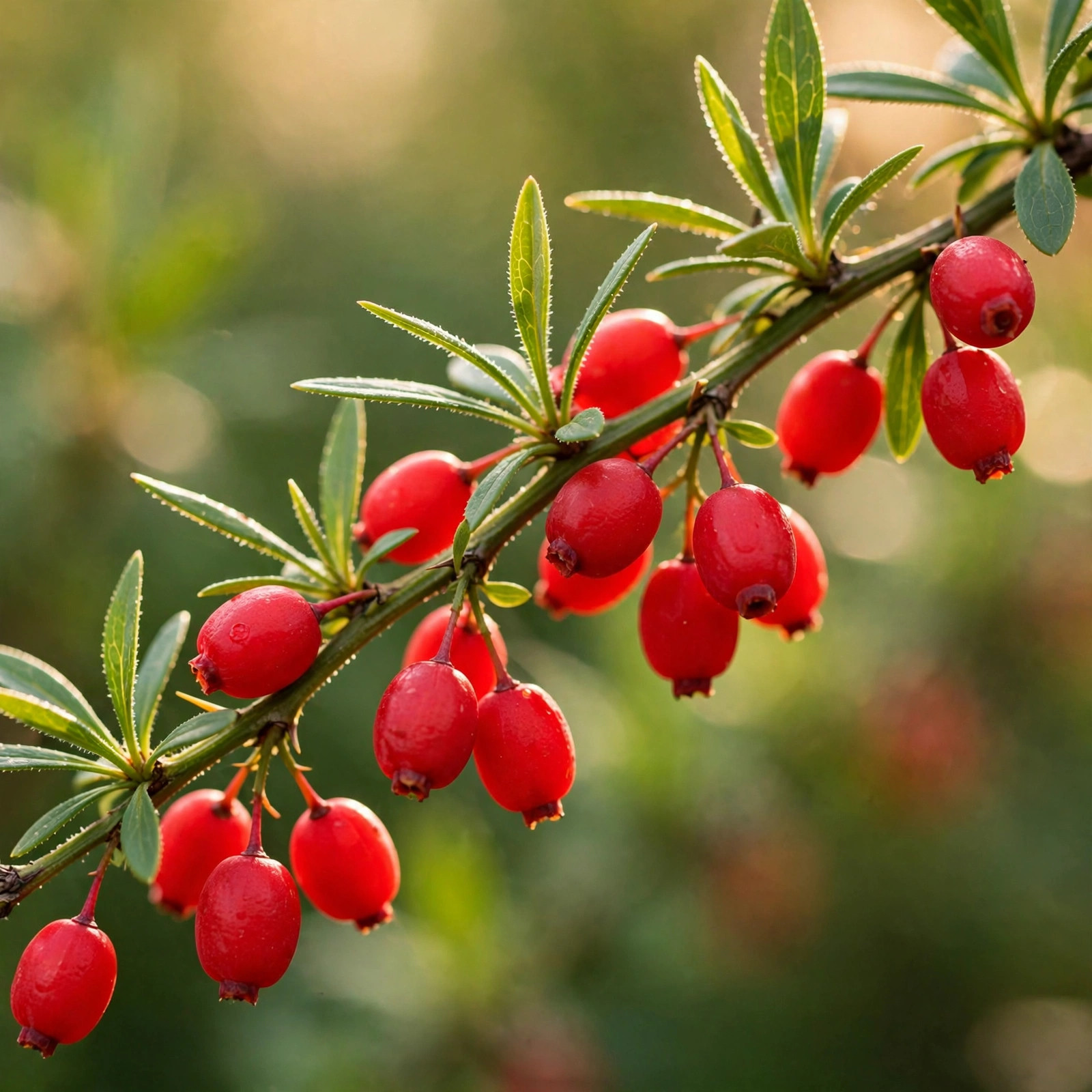
Why is everyone talking about it now? A handful of clinical trials in people with type 2 diabetes suggested berberine may help support healthy blood sugar levels, with effects on measures like fasting glucose and HbA1c that caught researchers’ attention. That genuine finding got picked up by social media, where it morphed into the “nature’s Ozempic” story. Let us look at what the studies really found.
What the Research Actually Shows

Blood sugar and HbA1c: the evidence is genuinely interesting
Several randomized trials — mostly conducted in China — tested berberine in adults with type 2 diabetes. The commonly studied approach was about 500 mg taken two to three times daily with meals, and the results were published in peer-reviewed journals such as Metabolism.
A 2008 study in Metabolism found that berberine lowered fasting blood glucose and HbA1c in newly diagnosed patients with type 2 diabetes, with results described as comparable to those of metformin in that trial. Later meta-analyses that pooled multiple small trials reached a similar overall conclusion: berberine appears to be linked to modest improvements in fasting glucose, post-meal glucose, and HbA1c compared with no treatment or placebo, and it may have supportive effects on cholesterol numbers too.
That said, honesty requires the caveats:
- The trials were small and mostly short-term (typically a few months).
- Most were conducted in a single country, so the findings may not generalize perfectly.
- Researchers still describe berberine’s effects as modest — helpful as a possible complement, not a replacement for prescribed diabetes treatment.
For a related baseline, it helps to know your own numbers first — see our guide to cholesterol numbers after 50 and what sugar intake looks like after 60 to understand the full metabolic picture.
Weight loss: the evidence is limited
This is where the hype outruns the data. While some trials reported small reductions in body weight or waist size, the weight-loss evidence is limited and inconsistent — a few pounds in some studies, nothing meaningful in others. Researchers who have reviewed the literature describe berberine’s effect on weight as modest at best.
Berberine is not a GLP-1 drug. Prescription medications like semaglutide work through appetite and gut-hormone pathways that berberine does not replicate. Calling berberine “nature’s Ozempic” is a marketing slogan, not a scientific description. If weight loss is your goal, berberine is not the evidence-backed shortcut social media promises.
Berberine vs. prescription expectations
| Question | Berberine (supplement) | Prescription diabetes/weight drugs |
|---|---|---|
| Regulated for safety and dosing? | No — supplements are not FDA-approved | Yes — tightly regulated |
| Blood-sugar evidence | Modest support from small trials | Strong evidence from large trials |
| Weight-loss evidence | Limited, small effects | Substantial, well-documented |
| Doctor supervision built in? | Only if you arrange it yourself | Yes — prescribed and monitored |
| Can replace your medication? | No | They are the medication |
The takeaway: berberine is a supplement with some interesting blood-sugar research — not a drug, not a cure for diabetes, and not an Ozempic alternative.
What to Look For When Buying Berberine
Since supplements are not pre-approved the way drugs are, the quality varies enormously between products. Use this checklist to judge any berberine supplement:
- Berberine HCl, 500 mg capsules. This is the form and dose range used in most clinical studies. Products offering far less per capsule (especially gummies or blends with tiny “proprietary” amounts) do not match the research.
- Third-party testing. Look for verification from an independent lab (such as USP, NSF, or ConsumerLab seals, or a stated third-party assay). This is your main protection against products that contain less berberine than the label claims — or contaminants.
- No proprietary blends. If the label hides berberine inside a “glucose support blend” without listing the exact milligrams, move on. You cannot judge a dose you cannot see.
- Simple ingredient list. The best products contain berberine HCl plus a capsule shell and little else. Long lists of extra herbs at token doses add marketing, not value.
- Clear serving instructions. A reputable label tells you the per-capsule amount and suggested daily servings, matching the 500 mg two-to-three-times-daily pattern used in studies — while still advising you to check with your doctor.
A few red flags: products marketed with before-and-after weight-loss photos, claims that it “melts belly fat,” prices that seem too good for a tested product, and any mention of berberine as a diabetes treatment. Honest sellers describe it as a supplement, not a therapy.
Safety and Interactions That Matter

This is the section to read twice, because berberine is not risk-free — especially after 50, when many of us take daily medications.
Diabetes medications and low blood sugar. Because berberine may help support healthy blood sugar, combining it with metformin, insulin, or other glucose-lowering drugs can push blood sugar too low (hypoglycemia). This is the single most important warning: if you take any diabetes medication, do not add berberine without your doctor’s direct supervision, and monitor your glucose more closely if they approve it.
Blood pressure medications. Berberine may lower blood pressure in some people. Combined with antihypertensive drugs, that effect could stack — worth discussing with your doctor if your pressure already runs low or is tightly controlled.
Drug-metabolism interactions. Berberine affects liver enzymes (notably CYP3A4 and CYP2D6) that process many common medications, including certain statins, blood thinners, and antidepressants. By slowing how these drugs are broken down, berberine can raise their levels in your body — effectively increasing your dose without changing the pill. Pharmacists flag this as a genuine concern, not a theoretical one.
Digestive side effects. The most common complaints are gastrointestinal: cramping, diarrhea, constipation, and flatulence. These often ease with time, and taking berberine with meals (as studies did) may help — but persistent symptoms mean you should stop and talk to your doctor.
Who should avoid it. Berberine is not for use during pregnancy or breastfeeding, and it should not be given to newborns. Anyone with liver disease or low blood pressure should be especially cautious. And as with any supplement that affects blood sugar, surgery patients should disclose it before procedures, since it can interact with anesthesia and blood-sugar control.
The bottom line on safety: berberine’s “natural” label does not make it gentle. Treat it with the same respect you would give any compound that changes your blood sugar and interacts with your medications.
When to See a Doctor
Talk to your doctor before buying berberine if any of these apply:
- You take diabetes medication (metformin, insulin, sulfonylureas, or others)
- You take blood pressure medication, blood thinners, or statins
- You take antidepressants or any drug with a narrow safety margin
- You are pregnant, breastfeeding, or planning to be
- You have liver or kidney disease
See your doctor promptly if you start berberine and notice shakiness, sweating, confusion, or unusual fatigue (possible low blood sugar), persistent digestive problems, dizziness, or unusually low blood pressure readings. Bring the supplement bottle to the appointment so your doctor can see exactly what you are taking.
Sources
- Cleveland Clinic — “Is Berberine the New Ozempic?”: https://health.clevelandclinic.org/berberine
- Yin J. et al., “Efficacy of Berberine in Patients with Type 2 Diabetes Mellitus,” Metabolism (2008), via PubMed Central: https://www.ncbi.nlm.nih.gov/pmc/articles/PMC2410097/
- Mount Sinai Health Library — Barberry: https://www.mountsinai.org/health-library/herb/barberry
This article is for informational purposes only and is not medical advice. Talk to your doctor before starting any supplement.