
Constipation After 60: Causes, Foods, and Relief That Works
Constipation is one of those topics most people would rather not talk about — until it starts affecting daily life. After 60, it becomes strikingly common. The National Institute of Diabetes and Digestive and Kidney Diseases (NIDDK) reports that about 33 out of 100 adults ages 60 and older have symptoms of constipation, roughly twice the rate seen in adults overall. The good news is that most cases have everyday causes, and simple steps — more fiber and fluids, regular movement, a steadier bathroom routine — may help. This guide covers the causes, the foods and habits that may help, and the warning signs to watch for.
What counts as constipation?
There is no single “normal” number of bowel movements per week. Some people go three times a day; others go three times a week, and both patterns can be perfectly healthy. What matters is a change from what is usual for you.
The NIDDK describes constipation as having fewer than three bowel movements a week, stools that are hard, dry, or lumpy, stools that are difficult or painful to pass, or a feeling that not all stool has passed. Occasional constipation is common and often passes on its own. It becomes a problem worth addressing when it happens often, lasts more than a few weeks, or starts to interfere with comfort, sleep, or appetite. Constipation is a symptom, not a disease in itself, and it can have more than one cause at a time.
Why constipation gets more common after 60
Aging itself does not automatically cause constipation, but several changes that come with age can add up. First, the muscles of the digestive tract tend to become less active, so waste may move through the colon more slowly. The longer stool stays in the colon, the more water the colon absorbs from it, and the harder and drier it becomes.
Second, appetite often shrinks. Smaller meals and less interest in cooking can mean less fiber on the plate. The NIDDK notes that older adults sometimes do not get enough fiber because they may lose interest in food, and dental problems or difficulty cooking can push meals toward soft, processed foods that are low in fiber.
Third, many people drink less fluid as they age — some cut back to avoid nighttime trips to the bathroom, others simply feel less thirsty — and less fluid means drier stools. Fourth, activity levels often fall, and regular movement helps keep the bowel moving. Finally, the number of medicines and health conditions that can slow the gut tends to grow with age. That combination is why constipation is so much more common after 60 than it was at 40.
Medicines and conditions that contribute
If constipation started soon after a new medicine, that medicine may be part of the picture. The Mayo Clinic lists several types of medicines that are linked to constipation, particularly opioid pain relievers. Others include certain medicines for high blood pressure, seizures, depression, allergies, and disorders of the nervous system, including Parkinson’s disease. Dietary supplements such as calcium and iron can also contribute.
Do not stop any medicine on your own — stopping suddenly can cause harm. Instead, bring the timing up with your doctor or pharmacist, who may adjust a dose, suggest a different option, or recommend a bowel routine that works alongside the medicine.
Several health conditions are also linked to constipation. The Mayo Clinic notes that chronic constipation may be associated with irritable bowel syndrome, diabetes, multiple sclerosis, nerve damage, an overactive thyroid, and Parkinson’s disease. If constipation is new, persistent, or comes with other symptoms, a clinician can check whether one of these conditions is playing a role.
Foods that help
Food is usually the best place to start, because fiber adds bulk to stool and helps it move through the bowel more easily. The NIDDK advises 22 to 34 grams of fiber a day for adults, depending on age and sex, and the Mayo Clinic gives a more specific target for older adults: at least 21 grams a day for women 51 and older, and at least 30 grams a day for men 51 and older. Most older adults eat far less than that, so even a modest increase may help. Add fiber gradually, over one to two weeks, and drink fluids alongside it — a sudden jump can cause bloating and gas.
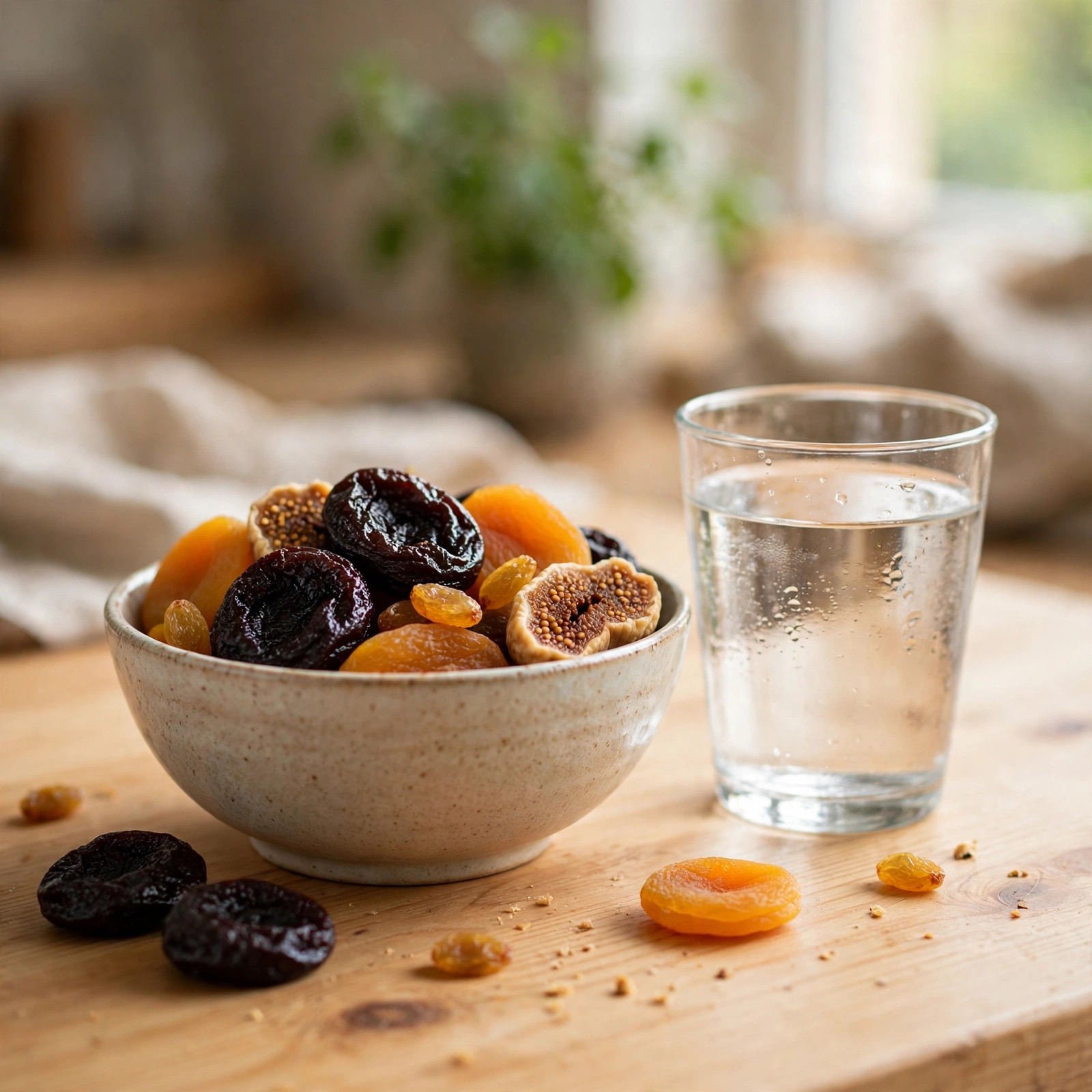
Prunes are the best-studied food for constipation. In a 2011 randomized trial, adults with chronic constipation who ate prunes had more bowel movements and softer stools than those who took psyllium fiber. Prunes contain fiber and sorbitol, a naturally occurring compound that draws water into the colon. A practical starting point is a small handful — about five or six prunes a day — with a glass of water.
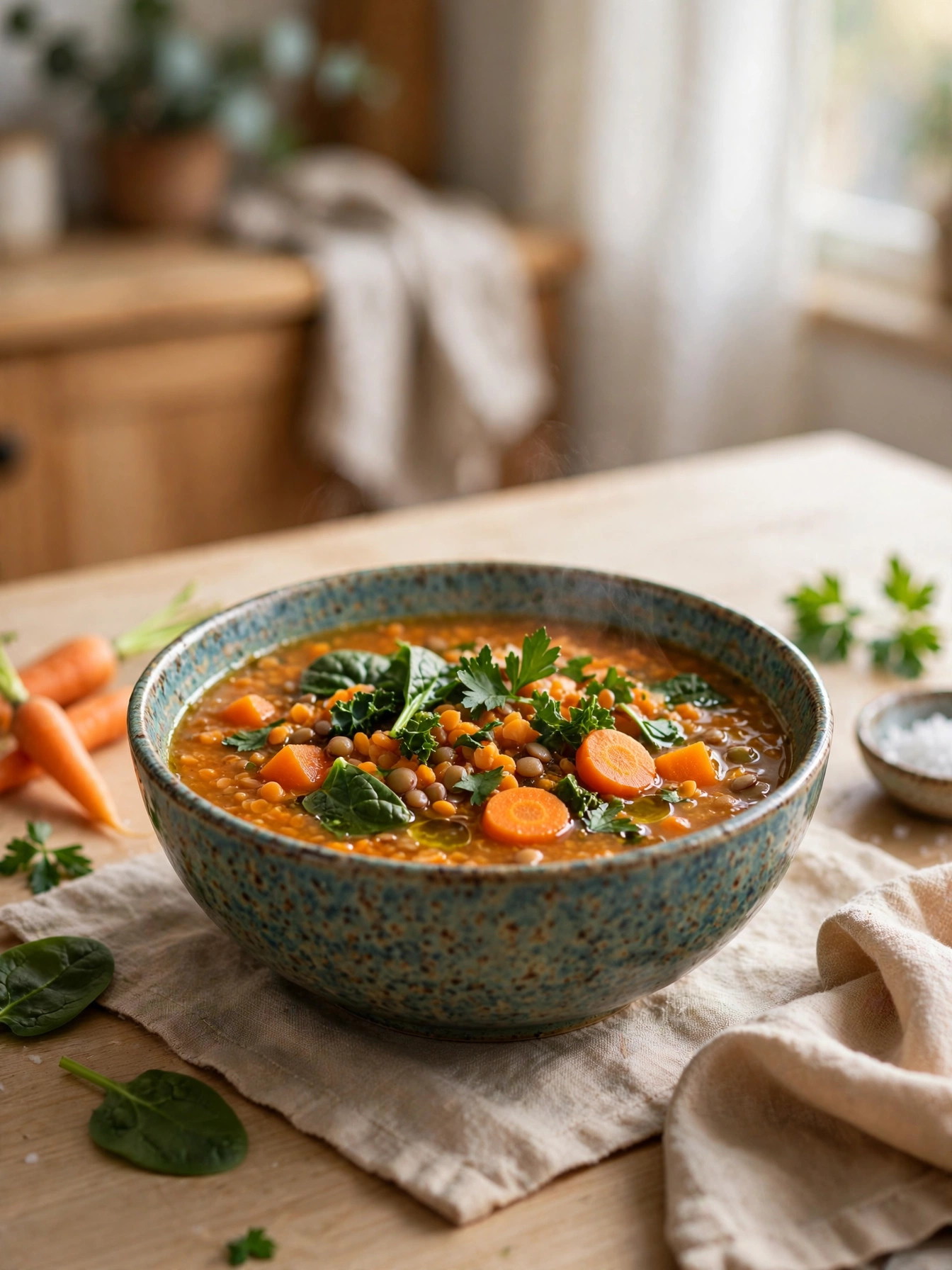
Beans and lentils are fiber powerhouses. A bowl of lentil soup or a serving of black beans can add a large share of the day’s fiber in a single meal. They are also soft, easy to chew, and inexpensive.
Whole grains help, too. Oatmeal for breakfast, whole-wheat bread instead of white, and brown rice instead of white rice all add fiber without changing the meal very much.
Fruits and vegetables with their skins on add both fiber and fluid. Pears, apples with the skin, berries, and kiwifruit are all good choices; in one trial, two green kiwifruit a day increased bowel movements in adults with chronic constipation. Cooked vegetables — carrots, broccoli, sweet potatoes — are gentler on digestion than raw ones and still provide fiber.
For more everyday food ideas, see our guide to high-fiber foods that actually lower cholesterol, and our companion article on daily fiber needs for seniors.
Fluids matter as much as fiber
Fiber only works well when there is enough fluid to go with it. Without fluid, extra fiber can actually make stools harder and more difficult to pass. Water is the simplest choice, and the NIDDK advises drinking plenty of water and other liquids when eating more fiber or taking a fiber supplement. Caffeinated drinks count toward fluid intake, but they should not replace water entirely, and alcohol can make dehydration worse.

How much is enough? Needs vary with body size, activity, and weather, and some people need to limit fluids because of heart or kidney conditions. A useful habit is a glass of water with each meal and a few more through the day, rather than waiting until you feel very thirsty. See our guide on how much water older adults really need.
Movement and daily habits
Regular physical activity is one of the simplest ways to support bowel regularity, and the NIDDK lists it among the steps that may help relieve constipation. You do not need vigorous exercise. A daily walk — even 20 to 30 minutes at a comfortable pace — is a good starting point.

A steady routine helps, too. The bowel often responds to habit, so try setting aside unhurried time after breakfast, when the urge to go is often strongest. Ignoring the urge to have a bowel movement is a common habit that can make constipation worse over time, so when the urge comes, it is worth responding to it promptly.
Over-the-counter options in general terms
If food, fluids, and movement are not enough after a few weeks, over-the-counter products may help. Think of them as a short-term bridge while longer-term habits take hold, not as a permanent solution — and check with a doctor or pharmacist first, especially if you take other medicines.
Fiber supplements add bulk to the stool in much the same way as fiber from food. They are usually gentle, but they need plenty of fluid to work and can cause gas or bloating at first. Osmotic laxatives draw water into the stool to soften it and make it easier to pass. Polyethylene glycol is the best-studied option in this group; a joint 2023 guideline from the American Gastroenterological Association and the American College of Gastroenterology gave it a strong recommendation for chronic constipation. Stimulant laxatives work by encouraging the bowel muscles to move stool along. They can be effective, but they are generally meant for occasional or short-term use.
One caution: using laxatives too often or in larger amounts than directed can disturb the balance of fluids and minerals in the body. If you find yourself needing a laxative every day for weeks, talk to a doctor rather than increasing the dose.
Red flags: signs that need prompt attention
Most constipation is uncomfortable rather than dangerous. But some signs should not be managed with diet and laxatives alone. Seek medical care promptly if constipation comes with any of the following:
- Blood in the stool, or blood on toilet paper that keeps coming back
- Black, tarry stools, which can be a sign of bleeding higher in the digestive tract
- A sudden, lasting change in bowel habits with no clear explanation
- Unexplained weight loss
- Severe or ongoing abdominal pain, or a swollen abdomen
- Vomiting, or being unable to pass stool or gas at all — seek urgent care for this combination
- Constipation that lasts more than three weeks despite changes in diet, fluids, and activity
When to see a doctor
Beyond the red flags above, book an appointment if constipation is a new problem for you, if it keeps returning, or if it started after a new medicine. A doctor can review your medicines, check for conditions such as thyroid problems or diabetes, and decide whether any tests are needed. It is also worth mentioning at a routine visit if it is affecting your appetite, sleep, or mood — clinicians hear about these problems every day, and there is no need for embarrassment.
The bottom line
Constipation after 60 is common — about one in three adults in this age group experiences it — but it is not something you simply have to live with. For most people, the most helpful steps are also the simplest: add fiber gradually, drink enough fluids, move a little every day, and keep a steady, unhurried bathroom routine. If those steps do not help within a few weeks, or if any red flag appears, talk to a doctor.
Sources
- National Institute of Diabetes and Digestive and Kidney Diseases (NIDDK), “Constipation” — https://www.niddk.nih.gov/health-information/digestive-diseases/constipation/all-content
- Mayo Clinic, “Constipation — Symptoms and Causes” — https://www.mayoclinic.org/diseases-conditions/constipation/symptoms-causes/syc-20354253
- NHS 111 Wales, “Constipation in Adults” — https://111.wales.nhs.uk/Encyclopaedia/c/article/constipationinadults
- Mayo Clinic Press, “Understanding Constipation” (from Mayo Clinic Guide to Gut Health) — https://mcpress.mayoclinic.org/healthygut/understanding-constipation-why-it-happens-and-how-to-treat-it/
- Attaluri A, et al. Randomised clinical trial: dried plums (prunes) vs. psyllium for constipation. Alimentary Pharmacology & Therapeutics, 2011.
This article is for general information only and is not medical advice. Talk to your doctor or a registered dietitian about your personal digestive health needs.