
Best Protein Sources for Seniors Who Don’t Eat Much Meat
Many older adults find themselves eating less meat than they used to — by choice, for health or budget, or simply because meat has become hard to chew, heavy to digest, or less appealing. Whatever the reason, cutting back on meat does not have to mean cutting back on protein.
Protein matters more, not less, as we age. According to the National Institute on Aging, older adults need adequate protein to help maintain muscle strength, support recovery from illness, and stay independent for longer. Muscle loss tends to accelerate after 60, and a diet short on protein may make that decline harder to resist. The good news is that protein comes in many forms, several of them soft, affordable, and easy to prepare.
Why Protein Needs Rise After 60
As we get older, our bodies become less efficient at using the protein we eat — a change researchers call anabolic resistance. That means older adults may need somewhat more protein per meal than younger adults to get the same muscle-supporting effect.
Rather than focusing on a single number, think in terms of protein at every meal. Spreading protein across breakfast, lunch, and dinner appears to support muscle maintenance better than eating most of it in one large evening meal.
Eggs: Small, Soft, and Remarkably Versatile
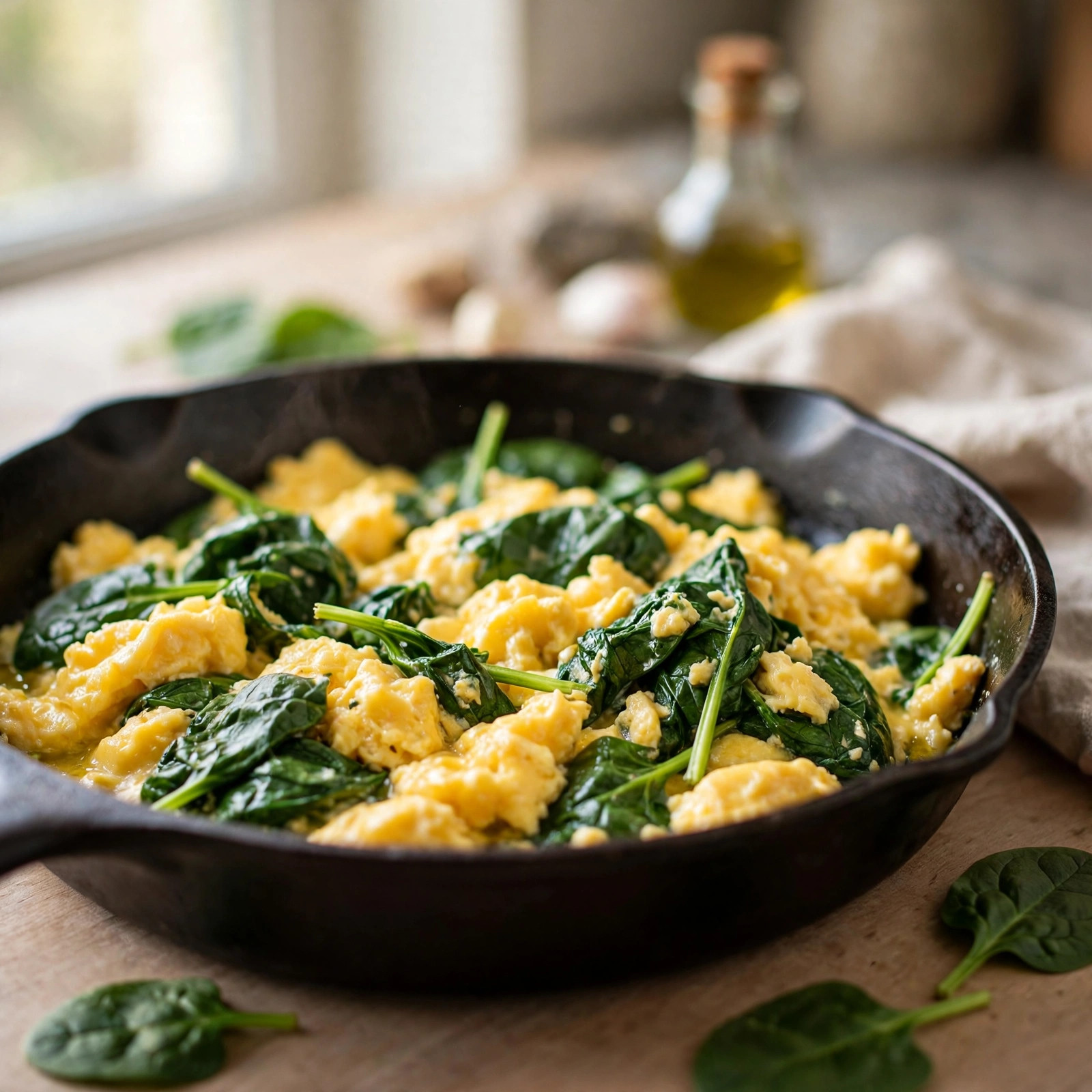
Eggs are one of the easiest protein foods for older adults. They are soft, quick to cook, inexpensive, and rich in high-quality protein. Two eggs at breakfast can anchor the whole meal.
Eggs also supply nutrients that matter later in life, including vitamin D and vitamin B12, both of which the National Institutes of Health notes can be harder to absorb with age. For most people, eggs can be part of a balanced diet, though anyone managing cholesterol or heart disease should discuss their own intake with their clinician.
Protein-per-meal ideas:
- Scrambled eggs with spinach and a slice of whole-grain toast
- A vegetable omelet with mushrooms, peppers, and a sprinkle of cheese
- Egg salad made with Greek yogurt instead of most of the mayonnaise
If chewing is a challenge, scrambled or poached eggs are among the gentlest protein options available.
Dairy: Yogurt, Cheese, and Milk
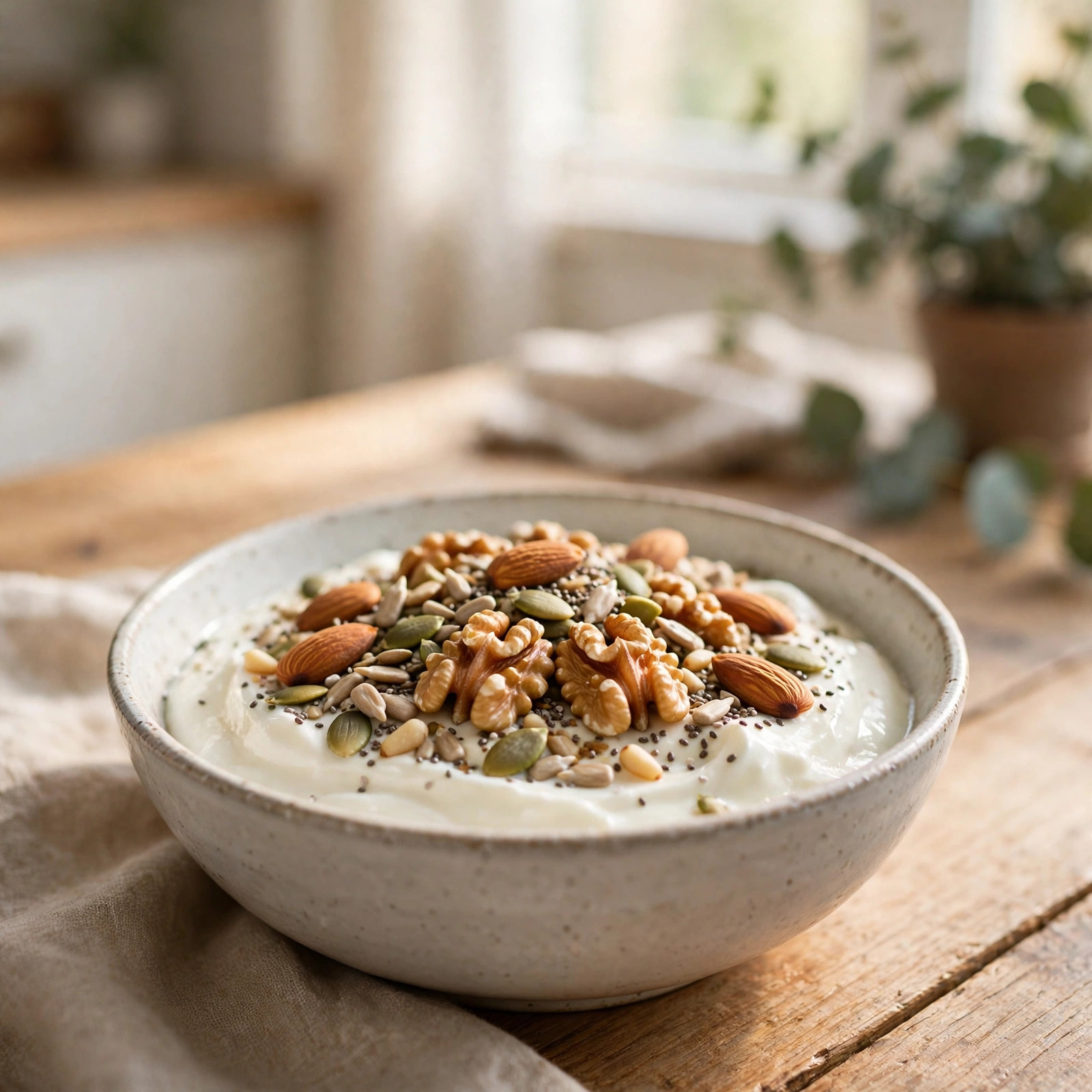
Dairy foods are a convenient source of protein and calcium, both of which matter for bone health after 60. Greek yogurt is a standout: thicker and higher in protein than regular yogurt, it works for breakfast, snacks, or dessert. Cottage cheese is another strong choice — soft, mild, and easy to eat in small portions.
Milk can quietly add protein throughout the day: in oatmeal, soups, or smoothies, or simply a glass with a meal. For those who are lactose intolerant, lactose-free milk and yogurt offer the same protein with less digestive discomfort.
Protein-per-meal ideas:
- Greek yogurt topped with berries and a spoonful of ground flaxseed
- Cottage cheese with sliced peaches or tomatoes
- Oatmeal cooked in milk and stirred with a spoonful of nut butter
- A cheese and whole-grain cracker snack in the afternoon
As with eggs, portion awareness matters: cheese is protein-rich but also high in saturated fat and sodium, so modest servings are the sensible approach.
Beans and Lentils: Affordable, Filling, and Fiber-Rich

Beans and lentils are among the most underrated protein foods for seniors. They are inexpensive, shelf-stable, and naturally rich in fiber — which may help with digestion, blood sugar steadiness, and fullness. Lentils deserve special mention because they cook quickly, need no soaking, and turn soft and easy to chew.
A cup of cooked lentils or beans provides a solid amount of protein, and pairing them with grains such as rice or whole-wheat bread gives a more complete mix of amino acids. The Centers for Disease Control and Prevention encourages beans and legumes as part of a healthy eating pattern for adults of all ages.
Protein-per-meal ideas:
- Lentil soup with carrots, celery, and a drizzle of olive oil
- Black beans with rice, salsa, and a little cheese
- Chickpea salad with lemon, herbs, and diced cucumber
- White beans stirred into a vegetable and tomato soup
One practical tip: rinse canned beans before use to reduce sodium, and introduce larger portions gradually if your digestion is sensitive to fiber.
Tofu and Tempeh: Gentle Plant Protein
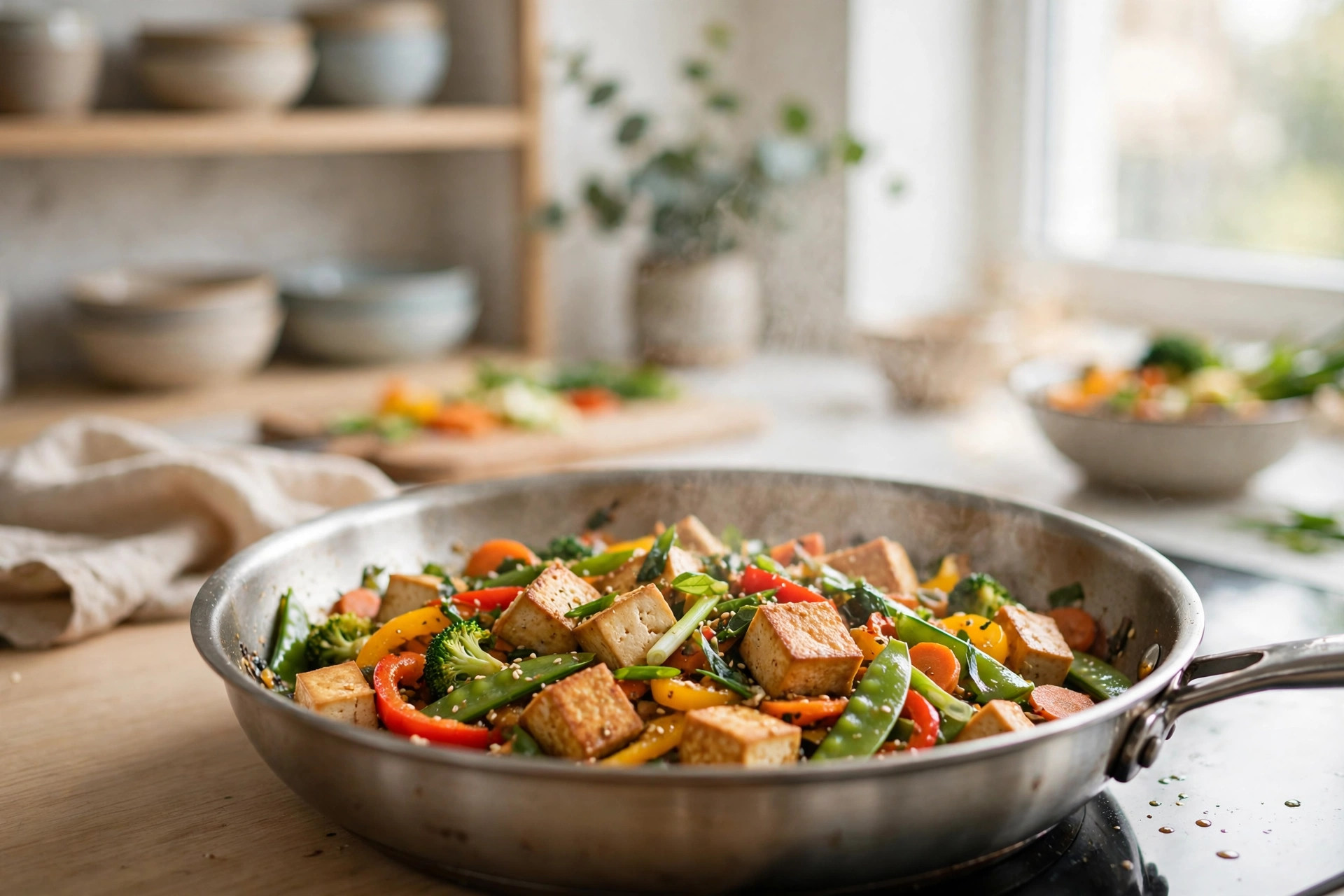
Tofu is made from soybeans and has been a staple protein food for centuries. It is soft, mild-tasting, and takes on the flavor of whatever it is cooked with. Silken tofu blends smoothly into soups and smoothies, while firm tofu holds up well when baked, stir-fried, or crumbled like ground meat.
Tempeh, a fermented soy food, is firmer and nuttier than tofu, with a higher protein content per serving. Both are good sources of plant protein, and soy foods in general are linked in research to heart-healthy eating patterns.
Protein-per-meal ideas:
- Silken tofu blended into a berry smoothie
- Firm tofu cubes baked with vegetables and a light soy-ginger sauce
- Tofu scrambled with turmeric, spinach, and mushrooms as an egg alternative
- Tempeh strips pan-fried and served in a whole-grain wrap with vegetables
If you are new to tofu, start with a simple preparation — baked or in soup — rather than a heavily seasoned dish, so you can judge the texture you prefer.
Fish: Protein Plus Healthy Fats
For seniors who eat little meat but still enjoy seafood, fish is an excellent choice. Oily fish such as salmon, sardines, and mackerel provide protein alongside omega-3 fats, which evidence suggests may support heart and brain health. White fish such as cod or haddock is lighter but still protein-rich and easy to digest.
Canned fish is worth keeping in the pantry: canned tuna, salmon, and sardines are affordable, require no cooking, and make quick lunches. The NHS recommends eating fish regularly as part of a balanced diet.
Protein-per-meal ideas:
- Baked salmon with roasted vegetables and a small portion of brown rice
- Sardines on whole-grain toast with lemon and tomato
- Tuna salad with white beans and herbs
- A simple fish soup with potatoes, carrots, and dill
If fresh fish feels expensive, canned and frozen options offer similar nutrition at a lower cost.
Nuts and Seeds: Small Foods, Useful Protein
Nuts and seeds are not as protein-dense per serving as eggs or fish, but they add useful protein, healthy fats, and fiber to meals and snacks — and they are easy to keep on hand. Walnuts, almonds, pistachios, pumpkin seeds, and sunflower seeds all contribute, and nut butters make the protein easier to eat for anyone with dental concerns.
Ground flaxseed and chia seeds deserve a mention too: stirred into yogurt, oatmeal, or smoothies, they add a little protein along with fiber without changing the taste much.
Protein-per-meal ideas:
- A spoonful of peanut or almond butter on whole-grain toast
- A small handful of mixed nuts as an afternoon snack
- Pumpkin seeds sprinkled over soup or salad
- Chia pudding made with milk and topped with fruit
Because nuts are calorie-dense, a small handful is usually the right portion — enough to add protein without overwhelming the meal.
Putting It Together: A Sample Day Without Much Meat
You do not need a complicated plan. Here is what a balanced, meat-light day might look like:
- Breakfast: Scrambled eggs with spinach and whole-grain toast, plus a glass of milk.
- Lunch: Lentil soup with a slice of whole-grain bread and a piece of cheese.
- Snack: Greek yogurt with berries and a sprinkle of seeds.
- Dinner: Baked tofu or fish with roasted vegetables and a small portion of rice or quinoa.
Notice the pattern: a protein source at every meal, a mix of animal and plant proteins across the day, and plenty of vegetables and whole grains alongside. Quinoa is another useful addition — unlike most grains, it contains all the essential amino acids, making it a handy base for meat-free meals.
Practical Tips for Eating Less Meat
- Build meals around protein first. Decide on your protein source, then add vegetables and grains around it.
- Keep easy options stocked. Eggs, canned beans, canned tuna, yogurt, and tofu keep well and need little preparation.
- Cook in batches. A pot of lentil soup or bean stew can cover several meals.
- Make textures work for you. Soft foods — scrambled eggs, yogurt, silken tofu, well-cooked lentils — are easier if chewing or swallowing is difficult.
- Watch the salt and saturated fat. Salty cheeses and heavily processed meat substitutes can undo some of the benefit, so favor minimally processed options where possible.
When to See a Doctor
Most people can adjust to eating less meat without problems, but some situations deserve medical attention. Talk to your doctor or a registered dietitian if you:
- Notice unexplained weight loss, weakness, or loss of muscle strength
- Have difficulty swallowing, persistent digestive problems, or a poor appetite lasting more than a couple of weeks
- Live with kidney disease, diabetes, or heart disease and are unsure how much protein is right for you
- Take medications that interact with certain foods, such as blood thinners or diabetes drugs
- Are considering a major dietary change, a supplement, or a protein powder
These conversations matter because protein needs are individual. What works for one person may not suit another, especially when chronic conditions or medications are involved.
The Bottom Line
Eating less meat does not mean eating less well. Eggs, dairy, beans, lentils, tofu, fish, nuts, and seeds together offer more than enough variety to keep meals interesting and protein intake adequate. The key habits are simple: include protein at every meal and vary your sources.
Start with one or two changes — perhaps eggs at breakfast and lentils at lunch — and build from there. For more detail, see our guides on protein needs for older adults, the Mediterranean diet after 50, and protein powder after 60.
Sources
- National Institute on Aging — Dietary guidance on protein and healthy eating for older adults
- National Institutes of Health — Protein, vitamin D, and vitamin B12 guidance for older adults
- Centers for Disease Control and Prevention — Healthy eating patterns including beans, legumes, and fish
- Mayo Clinic — Nutrition guidance on protein sources and healthy aging
- NHS — Guidance on eating fish, beans, pulses, and dairy as part of a balanced diet
- Harvard T.H. Chan School of Public Health — The Nutrition Source: protein and plant-based protein foods
This article is for general information only and is not medical advice. Talk to your doctor or a registered dietitian before making changes to your diet.