
How to Lower Blood Pressure Naturally After 60
If your blood pressure has been creeping up since your 60s, you have more options than you might think — and many of them have nothing to do with adding another prescription. Here is what the evidence actually says about lowering blood pressure naturally, which strategies work best, and where to be honest about their limits.
Here is the honest framing up front: the major medical guidelines — including those from the American Heart Association and the American College of Cardiology — recommend lifestyle change as the first-line approach for managing high blood pressure. That does not mean lifestyle replaces medication. For many people over 60, it means both: habits that may reduce your numbers and reduce your long-term risk, alongside treatment your doctor prescribes.
Why it matters: the quiet numbers behind the headlines
New research from the University of Oxford’s Population Health unit shows how common — and how hidden — high blood pressure is. In a study of more than 120,000 adults in England, 37% had hypertension. More striking still, 59% of those cases were undetected. And among those already taking blood pressure medication, about half still had elevated readings, suggesting the condition was not well controlled.
(Sources: SciTechDaily, Medical Xpress — published September 2026.)
These are England figures, not global rates, but they carry three lessons:
- High blood pressure is usually silent. Regular checks catch what you cannot feel.
- Medication alone may not finish the job. About half of treated patients still had elevated readings.
- Lifestyle and medication are partners, not rivals. The best outcomes tend to come from both: treatment taken as prescribed plus the daily habits below.
1. Eat the DASH way
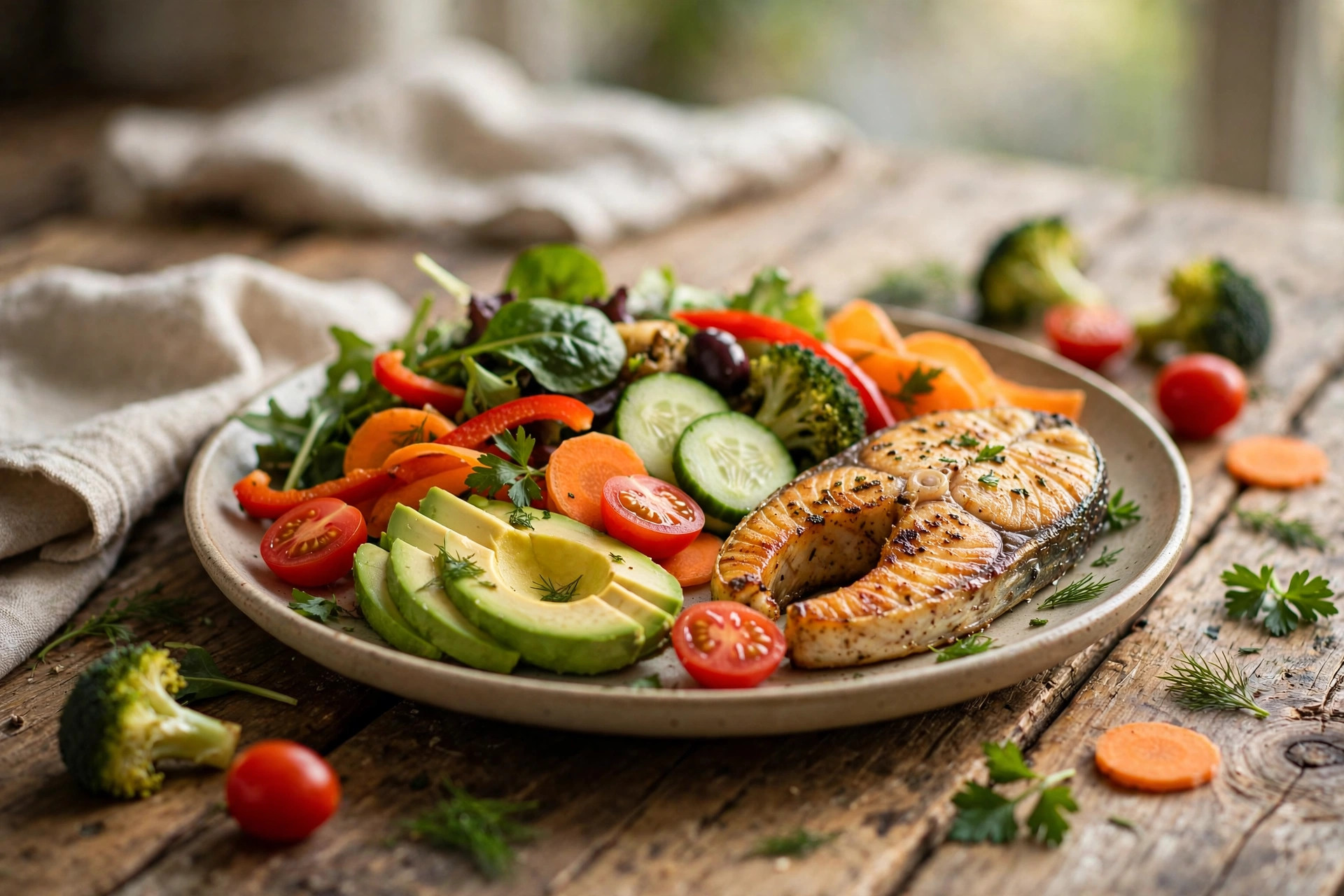
The DASH eating plan — Dietary Approaches to Stop Hypertension — was developed by the U.S. National Heart, Lung, and Blood Institute and remains one of the most studied dietary patterns for blood pressure. It is not a fad diet; it is a flexible framework built on everyday foods.
What it looks like on a plate:
- Lots of vegetables and fruit — roughly 4–5 servings of each per day
- Whole grains instead of refined ones
- Low-fat or fat-free dairy, a key source of calcium and protein
- Lean protein — poultry, fish, legumes, nuts
- Less saturated fat, added sugar, and red meat
It is also rich in potassium, calcium, and fiber, nutrients linked to healthier blood pressure. A simple first step: add one extra vegetable to lunch and dinner, and swap one refined grain (white bread, white rice) for a whole grain each day.
DASH is an eating pattern, not a diet you go “on” — improvements come over weeks to months. Many of the same foods pull double duty; see our guide on high-fiber foods that lower cholesterol for fiber specifics.
2. Cut back on sodium — thoughtfully
Sodium is one of the most direct dietary levers on blood pressure. The American Heart Association recommends no more than 2,300 milligrams of sodium per day, and says moving toward 1,500 milligrams per day is ideal for most adults — a target Mayo Clinic also highlights for people with high blood pressure.
The catch: roughly three-quarters of dietary sodium comes from processed and restaurant foods — bread, soup, deli meats, pizza, sauces — not the salt shaker. So the highest-impact moves are: read labels and compare sodium across brands, cook more at home, rinse canned beans and vegetables, flavor with herbs, citrus, and spices instead of reaching for the shaker, and ask about salt at restaurants.
Cutting back helps most people at least a little — we will cover exactly how much salt you need after 60 in a dedicated guide.
3. Move regularly — 150 minutes a week is the benchmark
The CDC and the American Heart Association recommend at least 150 minutes of moderate-intensity aerobic activity per week for older adults — brisk walking, cycling, swimming, water aerobics — plus muscle-strengthening on two or more days. Regular aerobic exercise can lower systolic blood pressure by several points on average, and the effect is larger in people who start out with hypertension.
What matters for people over 60: start where you are — even 10-minute walks count toward the weekly total. Consistency beats intensity — a daily walk you actually do beats a gym routine you abandon. Add strength and balance work to protect joints and prevent falls; our 15-minute chair routine is a gentle starting point.
Exercise is one of the strongest natural levers, but it is gradual — think in months, not days. Our guide on staying active after 60 walks through age-appropriate ways to build the habit.

4. Reach and keep a healthy weight
Body weight and blood pressure are closely linked: carrying extra weight means the heart works harder, and even modest weight loss may help lower blood pressure in people who are overweight — Mayo Clinic lists it among the most effective natural strategies.
Small, sustained changes — the DASH pattern above, regular walking, attention to portion sizes — work better after 60 than crash diets, which can cost you muscle. If weight is a concern, talk with your doctor about a realistic target; even a few pounds can matter.
5. Limit alcohol
Alcohol and blood pressure have a dose-dependent relationship: the more you drink, the higher blood pressure tends to run. Guidelines advise no more than one drink per day for women, two for men — and note that drinking less is better than drinking at the limit.
One drink means a 12-ounce beer, a 5-ounce glass of wine, or 1.5 ounces of spirits. Many real-world pours are bigger than that. Heavy drinkers who cut back often see meaningful improvement.
6. Quit smoking — at any age
Smoking raises blood pressure with every cigarette and damages blood vessel walls over time, making hypertension harder to control. The good news: it is never too late to quit — circulation and blood pressure begin to improve within days to weeks.
Realistic expectation: quitting is one of the single highest-value things a smoker can do for their heart, at any age. Talk to your doctor about quit aids — combination approaches work best.
7. Protect your sleep
Poor sleep and high blood pressure are linked: people who regularly sleep less than 7 hours, or who have sleep apnea, are more likely to develop hypertension. After 60, sleep gets lighter and more fragmented, which makes protecting it even more important.
Practical steps that help: keep a consistent sleep schedule even on weekends; wind down in the evening with dim lights and no screens; avoid heavy meals, alcohol, and caffeine late in the day; and get checked for sleep apnea if you snore loudly, gasp at night, or feel unrefreshed despite enough hours.
Related reading: how sleep changes after 50 and the evening habits that ruin your sleep.
Better sleep supports blood pressure indirectly — through stress hormones, appetite, and overall resilience.
8. Manage stress — with honest expectations
This is the lever where honesty matters most. Stress causes temporary blood pressure spikes, and chronic stress may contribute to long-term hypertension, but the AHA notes that the evidence linking stress management to lower blood pressure is limited. Deep breathing, meditation, and gentle yoga may help some people — and they improve quality of life — but treat stress management as a supporting player, not a reliable blood pressure treatment on its own.

What NOT to do
- Never stop or skip blood pressure medication because you started eating better or walking more. Lifestyle changes support your treatment; they do not replace it. Any change to medication is a conversation with your doctor, not a solo decision.
- Beware supplements marketed with exaggerated promises. The evidence for most “blood pressure” pills is weak, and some herbal products can interfere with prescription drugs.
- Do not trust your symptoms. High blood pressure rarely announces itself. “I feel fine” is not a blood pressure reading. Home monitoring — done correctly — is the only way to know your numbers.
- Do not chase a number. Articles promising you can drop your systolic by exactly X points are selling certainty the science does not support. Aim for the pattern: better habits, monitored numbers, medical partnership.
When to see a doctor
Blood pressure management after 60 is a team sport. Seek medical advice if:
- Your home readings are consistently at or above 130/80 mmHg — the threshold the AHA/ACC guidelines use to define hypertension
- You get a sudden, very high reading (for example, above 180/120) with symptoms like chest pain, shortness of breath, or vision changes — seek emergency care
- You notice side effects from blood pressure medication, such as dizziness, swelling, or a persistent cough
- You have diabetes, kidney disease, or a history of heart disease or stroke — tighter monitoring matters
- You want to start a new exercise routine or make a major diet change while on medication — your doctor can adjust the plan safely
The bottom line
Learning how to lower blood pressure naturally after 60 is not about one magic food or habit. It is the combination — DASH-style eating, less sodium, regular movement, healthy weight, limited alcohol, no smoking, good sleep — layered over medication taken exactly as prescribed. Start with one or two changes, track your numbers, and bring them to your next appointment. Small, steady improvements compound into real protection for your heart and brain.
Sources
- American Heart Association (AHA), “Understanding Blood Pressure Readings” and high blood pressure resources — https://www.heart.org/en/health-topics/high-blood-pressure/understanding-blood-pressure-readings
- National Heart, Lung, and Blood Institute (NHLBI), “DASH Eating Plan” — https://www.nhlbi.nih.gov/education/dash-eating-plan
- U.S. Centers for Disease Control and Prevention (CDC), “High Blood Pressure” and “How Much Physical Activity Do Older Adults Need?” — https://www.cdc.gov/high-blood-pressure/
- Mayo Clinic, “10 ways to control high blood pressure without medication” — https://www.mayoclinic.org/diseases-conditions/high-blood-pressure/in-depth/high-blood-pressure/art-20046974
- NHS (UK), “High blood pressure (hypertension)” — https://www.nhs.uk/conditions/high-blood-pressure/hypertension
- University of Oxford Population Health / SciTechDaily, “More Than 1 in 3 Adults Had High Blood Pressure, Most Didn’t Know It” — https://scitechdaily.com/more-than-1-in-3-adults-had-high-blood-pressure-most-didnt-know-it/
- Medical Xpress, “Almost a Third of Adults in UK Had High Blood Pressure in Last Three Years” — https://medicalxpress.com/news/2026-09-thirds-adults-uk-high-blood.html
This article is for general information only and is not medical advice. Blood pressure is a serious medical issue — work with your doctor to manage it.