
Iron Deficiency After 60: Signs, Foods, and When to Test
You feel tired more often than you used to. Climbing the stairs leaves you a little breathless. Your legs feel restless at night, and you sleep less well because of it. It is tempting to chalk all of this up to “just getting older” — and sometimes, that is part of the story. But sometimes, the real explanation is simpler and worth checking: low iron.
Iron deficiency is common in later life, and its early signs overlap so neatly with ordinary aging that many people live with it for months or years without knowing. The good news is that it can usually be identified with a straightforward blood test, and once the cause is understood, your doctor can talk through the right next steps. This article explains what to watch for, which foods supply iron, and why testing should always come before supplements.
Why Iron Matters After 60
Iron plays a central role in carrying oxygen around the body. It is a key part of hemoglobin, the substance in red blood cells that picks up oxygen in the lungs and delivers it to your muscles, brain, and organs. When iron stores run low, the body may make fewer healthy red blood cells, or the cells it makes may carry less oxygen than they should. The result is often a creeping tiredness that does not lift with a good night’s sleep.
Iron also supports energy, concentration, and the healthy functioning of muscles. That is why low iron can show up in so many different ways — from feeling winded on a walk you used to enjoy, to finding it harder to focus on a book or a conversation.
Older adults face a few extra risks. Appetite often shrinks with age, so meals may simply contain less iron than they once did. Some people eat less red meat, whether for health, budget, or taste reasons. Digestive conditions, certain medicines, and long-term inflammation can also reduce how well iron is absorbed from food. None of this means low iron is inevitable after 60 — it simply means it is worth keeping on your radar.
Signs That Are Easy to Miss
Iron deficiency rarely announces itself loudly. More often, it creeps in gradually, and each symptom on its own looks like something else. Watch for a pattern rather than a single clue:
- Ongoing tiredness. Not the tiredness after a busy day, but a persistent lack of energy that rest does not fix. If you are noticing this alongside other signs here, it is worth mentioning to your doctor, since fatigue has many possible causes, as discussed in our guide to fatigue warning signs.
- Breathlessness on everyday effort. Feeling winded walking up stairs, carrying groceries, or doing light gardening, when these tasks used to feel comfortable.
- Pale skin or pale inner eyelids. This can be subtle, especially if it develops slowly. Some people notice it first in the face, lips, or the inside of the lower eyelid.
- Restless legs at night. An uncomfortable urge to move your legs in the evening or at night, which eases when you move them, is linked to low iron in some people and can disturb sleep.
- Dizziness or lightheadedness, particularly when standing up.
- Headaches, cold hands and feet, or a faster heartbeat than usual during mild activity.
- Brittle nails, hair shedding, or a sore tongue. These are less common and tend to appear when iron has been low for a while.
- Unusual cravings, such as a strong urge to chew ice. This is uncommon, but it is a recognized sign that doctors take seriously.
Any one of these symptoms can have other explanations — thyroid problems, poor sleep, heart or lung conditions, or low levels of other nutrients such as vitamin B12 can all cause similar feelings. That is exactly why symptoms alone are not enough to diagnose iron deficiency, and why a blood test matters so much.
Iron-Rich Foods: Heme and Plant Sources
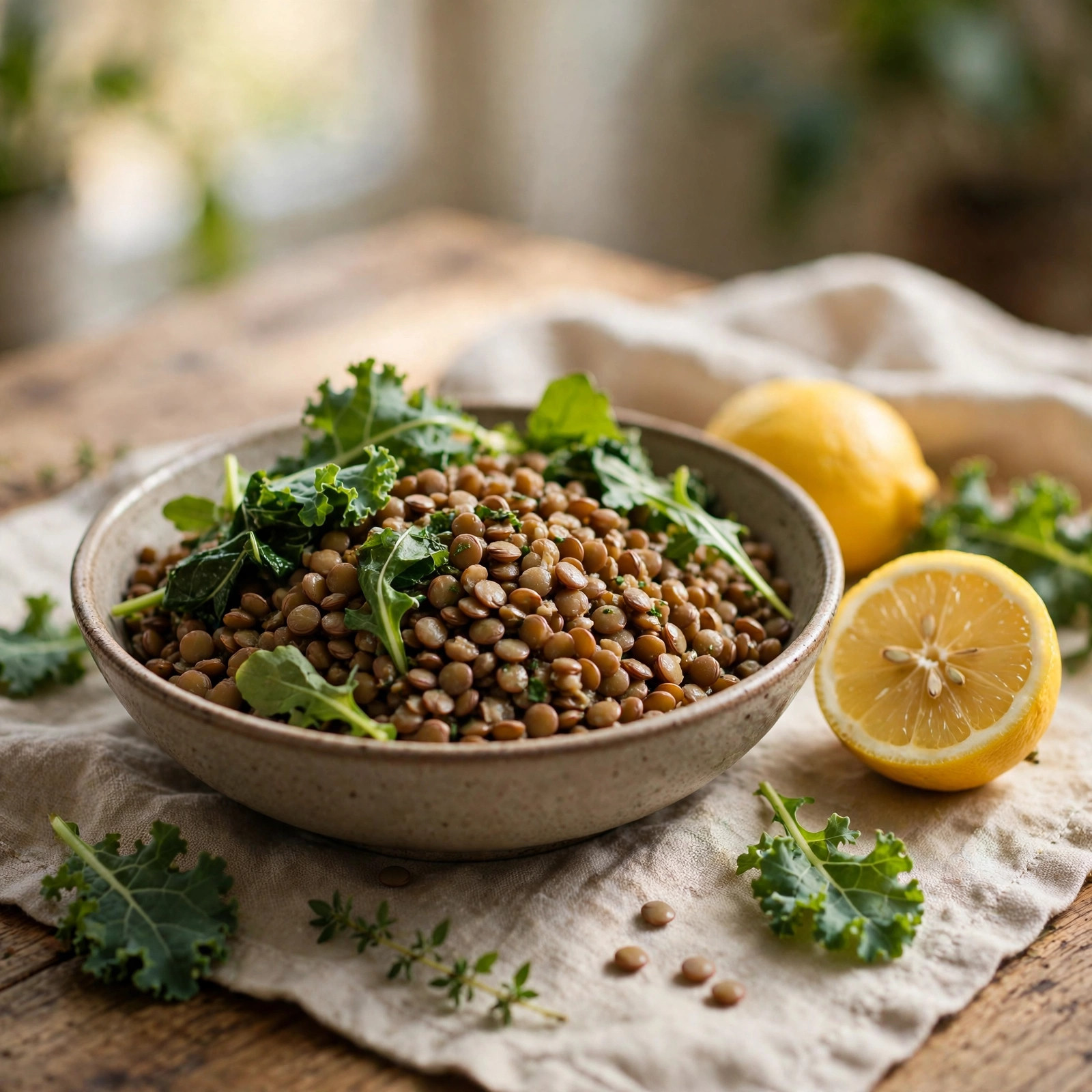
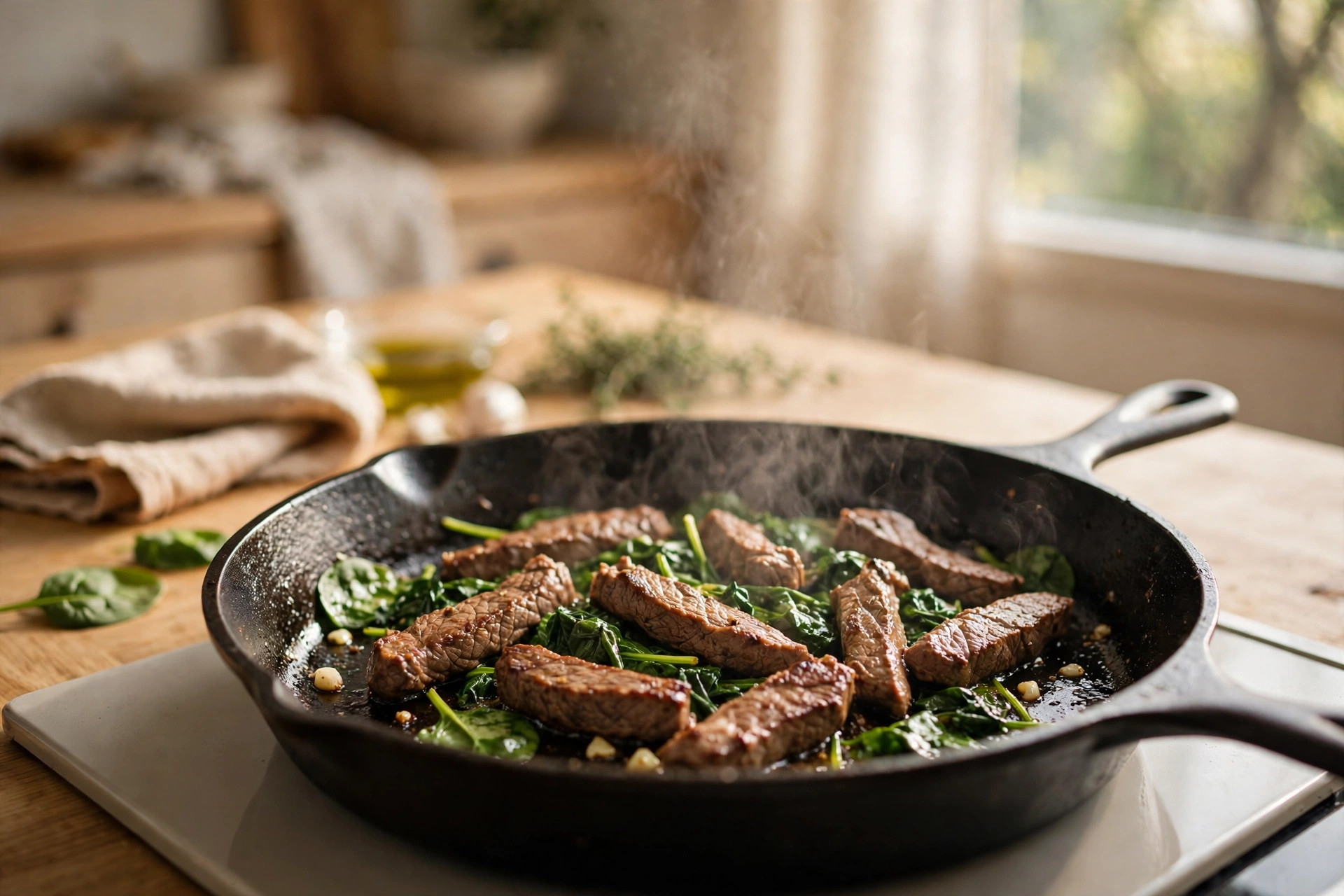
Food is the everyday way most people maintain healthy iron levels, and a varied diet is the best foundation. It helps to know that iron comes in two forms:
Heme iron comes from animal foods and is absorbed relatively well by the body. Good sources include lean red meat, poultry, and fish such as sardines and tuna. You do not need large portions — a modest serving as part of a balanced meal is enough to contribute meaningfully.
Non-heme iron comes from plant foods. Good sources include lentils, beans, chickpeas, tofu, spinach and other dark leafy greens, fortified breakfast cereals, whole grains, nuts, and seeds. Non-heme iron is absorbed less easily than heme iron, but that does not make plant sources second-rate — with the right pairings, they can be a strong part of your iron intake.
One simple trick may help your body absorb more iron from plant foods: pair them with vitamin C. Vitamin C is linked to better absorption of non-heme iron, so try adding tomatoes, bell peppers, broccoli, citrus fruit, or strawberries to a bean- or lentil-based meal. A lentil soup with tomatoes, or a spinach salad with a squeeze of lemon and orange segments, are easy examples.
On the other hand, tea and coffee with meals may reduce iron absorption, so many dietitians suggest enjoying them between meals rather than with your main iron-rich dish. You do not need to give them up — timing is the main point.
Building these foods into everyday meals is part of the broader pattern of eating well after 45, and the Mediterranean diet after 50 offers a practical framework, with its emphasis on legumes, fish, leafy greens, and vegetables.
Why Testing Comes Before Supplements

This is the most important message in this article: do not start iron supplements on the basis of symptoms alone. Iron supplements can be harmful when taken without a confirmed deficiency. Too much iron can cause constipation, nausea, and stomach pain, and in larger amounts it can damage organs. Iron can also interact with some medicines, and taking it unnecessarily may mask a more serious underlying problem that still needs attention.
A blood test is simple and gives your doctor real information. Typically, this includes a full blood count and a ferritin test, which reflects the body’s iron stores. Your doctor may also check related nutrients — for example, vitamin B12 and folate — because deficiencies in these can cause similar symptoms, as covered in our article on vitamin B12 and calcium after 50.
If a test does confirm low iron, your doctor can discuss whether diet changes alone are enough or whether a supplement is appropriate for you, and for how long. Follow-up testing may be suggested to check whether levels are improving. This is a conversation to have with your own doctor, who knows your health history, medicines, and other conditions.
Causes Worth Investigating in Older Adults
In younger adults, iron deficiency is often explained by diet or, for women, menstrual blood loss. After 60, doctors tend to look a little wider, because the causes are more varied — and some of them deserve attention in their own right.
Possible contributors include:
- Eating too little iron, or a restricted diet that leaves out major iron sources.
- Reduced absorption, which can happen with digestive conditions such as coeliac disease, or with long-term use of medicines that lower stomach acid.
- Chronic inflammation or long-term illness, which can interfere with how the body uses iron.
- Blood loss from the digestive tract. This is the cause doctors are most careful to rule out in older adults. It may be slow and unnoticed — for example, from stomach ulcers, inflammation, hemorrhoids, or regular use of medicines such as aspirin or anti-inflammatory painkillers that can irritate the stomach lining. In some cases, it can be linked to a growth or tumor in the bowel, which is why persistent iron deficiency in an older adult is often investigated rather than simply treated with supplements.
That last point sounds worrying, but it is worth framing calmly: most iron deficiency in older adults is not caused by something serious, and the reason doctors investigate is precisely so that anything important is found early, when it is most treatable. The investigation may involve questions about your medicines and diet, a stool test, or a referral for further examination. None of this is a reason to panic — it is a reason to mention the symptoms rather than quietly living with them.
When to See a Doctor
Book an appointment with your doctor if you notice:
- Fatigue or breathlessness that persists for more than a couple of weeks, or that is getting worse
- Restless legs that regularly disturb your sleep
- Pale skin, dizziness, or a racing heartbeat
- Unusual cravings, such as for ice
- Any sign of bleeding — for example, black or bloody stools, blood in urine, or unusual bruising
- You are considering taking an iron supplement
Seek urgent care if you experience chest pain, severe breathlessness, fainting, or significant bleeding. These symptoms need prompt attention regardless of the cause.
When you see your doctor, it may help to note when the symptoms started, whether they are changing, what medicines you take, and what your typical meals look like. That picture makes the conversation more useful and helps your doctor decide which tests are appropriate.
A Practical Takeaway

Iron deficiency after 60 is easy to overlook because its signs look so much like aging itself. But tiredness, breathlessness, pale skin, and restless legs are not things you simply have to accept. Eating a varied diet rich in iron — with vitamin C-rich foods alongside plant sources — is a sensible everyday step. And if symptoms persist, a simple blood test can give you and your doctor clear answers before any supplement is considered.
You know your body better than anyone. If something feels different and stays different, that is worth a conversation with your doctor — not a supplement bought on a hunch.
Sources
- National Institutes of Health, Office of Dietary Supplements — Iron Fact Sheet for Health Professionals: https://ods.od.nih.gov/factsheets/Iron-HealthProfessional/
- National Heart, Lung, and Blood Institute — Iron-Deficiency Anemia: https://www.nhlbi.nih.gov/health/anemia/iron-deficiency-anemia
- Mayo Clinic — Iron deficiency anemia: symptoms and causes: https://www.mayoclinic.org/diseases-conditions/iron-deficiency-anemia/symptoms-causes/syc-20355034
- NHS — Iron deficiency anaemia: https://www.nhs.uk/conditions/iron-deficiency-anaemia/
- Cleveland Clinic — Iron-Deficiency Anemia: https://my.clevelandclinic.org/health/diseases/22824-iron-deficiency-anemia
This article is for general information only and is not medical advice. Talk to your doctor before taking iron supplements or changing your diet, especially if you notice persistent fatigue, breathlessness, or other symptoms described here.