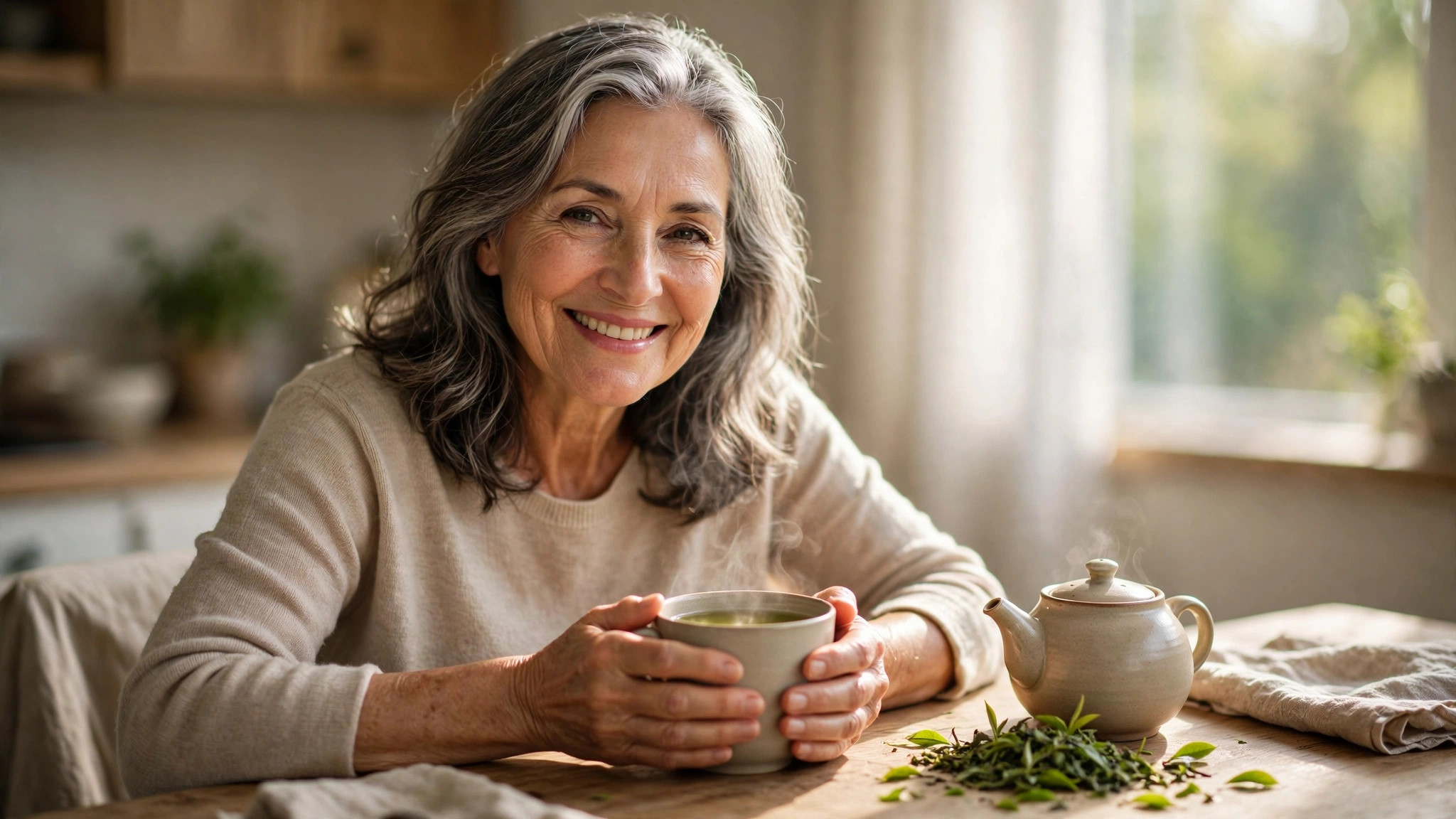
Green Tea Health Benefits After 60: What the January 2026 Review Found
If you drink green tea every morning, you are in good company — it is the most studied beverage on the planet after water. But for years, the research has been scattered: one study on blood pressure here, a cohort study on memory there, and very little pulling it all together.
That changed in January 2026. A team led by Mingchuan Yang and Li Zhou at the Tea Research Institute of the Chinese Academy of Agricultural Sciences published a wide-ranging review in the journal Beverage Plant Research, gathering what is known about tea and long-term health — the heart, the brain, muscles, and the honest caveats. The review also called for more research, which is worth remembering: much of this evidence comes from observational studies, which show associations rather than proof of cause and effect.
Green tea will not add years to your life on its own, and it is no substitute for exercise, medication, or a good diet. But as small daily habits go, the evidence suggests it is one of the better-researched ones. Think of it the way you would any other healthy aging habit — modest on its own, meaningful as part of a pattern.
Here is what the review found, what it means after 60, and how to brew your cup so it actually counts.
What the January 2026 review found: heart
Green tea stood out in the review for its cardiovascular effects. Studies have found it may help lower blood pressure and improve cholesterol levels. The U.S. National Center for Complementary and Integrative Health (NCCIH) echoes this, noting limited but real evidence that both green and black tea may have beneficial effects on some heart-disease risk factors, including blood pressure and cholesterol — and that green tea is associated with small but significant reductions in total and LDL cholesterol.
The bigger picture came from large cohort studies: people who drank tea regularly had lower rates of cardiovascular disease and lower all-cause mortality. These are associations, not proof that tea caused the difference — tea drinkers may also eat better, move more, or smoke less. Still, the pattern shows up across many studies and many countries, which makes it harder to dismiss.
How does tea fit your broader eating pattern? It pairs naturally with diets that already have strong heart evidence, like the Mediterranean approach after 50 — swap one sugary drink or one extra coffee for green tea, and you have made a small upgrade without overhauling your day.
What the review found: brain
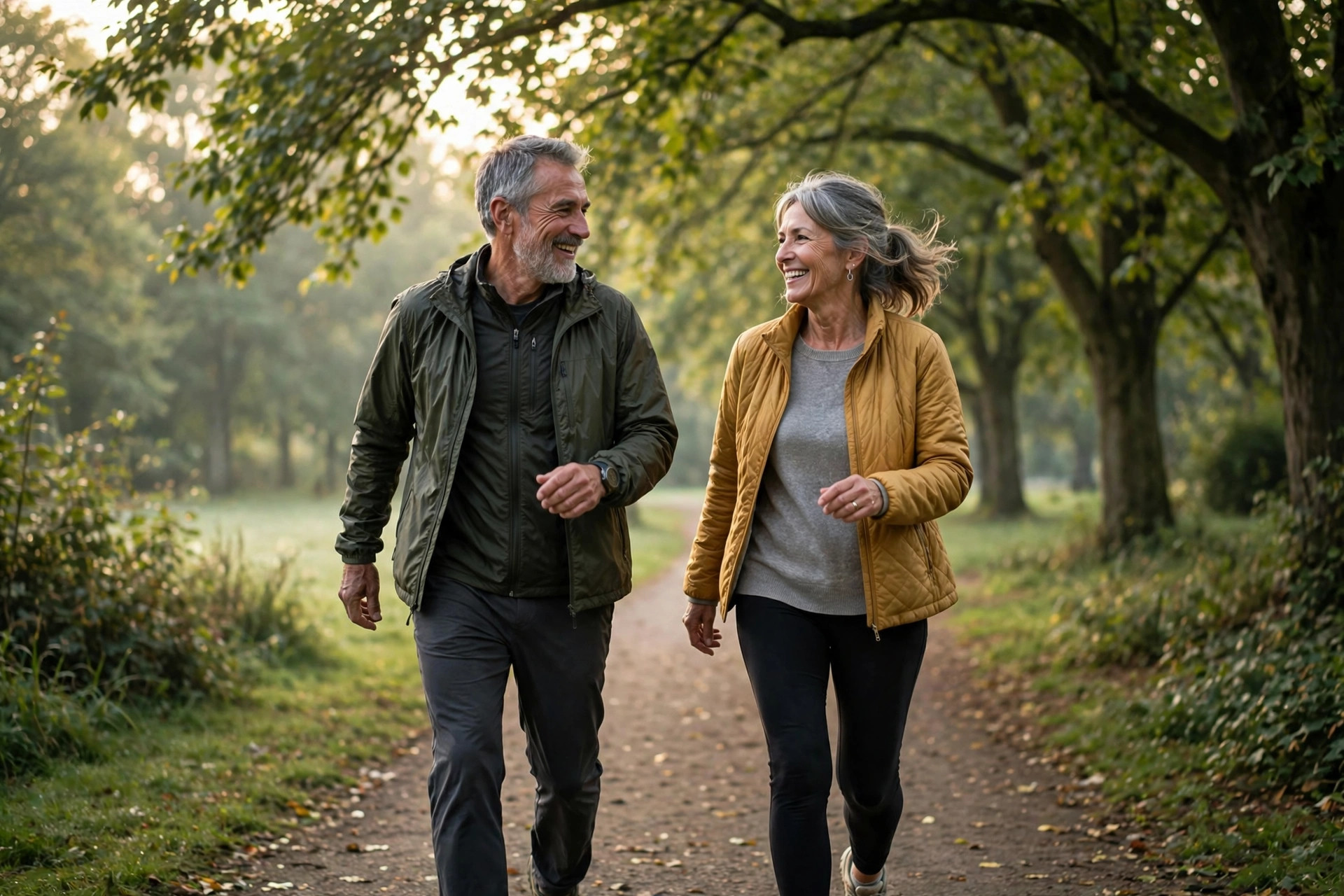
This is the section that will interest anyone worried about memory. Epidemiological evidence from China and Japan suggests that habitual tea drinkers — especially older adults — show lower rates of cognitive decline and fewer biomarkers linked to Alzheimer’s disease. Meta-analyses find a clear protective association, with the strongest effects in adults aged 50 to 69. A separate Japanese study found that older adults who regularly drank green tea had fewer of the brain white-matter lesions associated with dementia.
Why might tea help the brain? Two compounds get most of the credit:
- L-theanine, an amino acid found almost exclusively in tea, may contribute to stress reduction and calm focus — and it can cross the blood–brain barrier.
- Catechins and caffeine work together: caffeine provides alertness while L-theanine appears to smooth out the jittery edge.
Again, these are associations from observational research. No one should drink green tea expecting it to prevent dementia. But for a habit that costs pennies and takes five minutes, the brain-health association is one of the more consistent findings in nutrition research.

What the review found: muscle
After 60, keeping muscle is keeping independence — and this was the review’s most practical finding for older adults. Research indicates that catechin-rich extracts may help maintain or increase muscle mass and strength in older adults. Human trials have shown improved grip strength and muscle function after supplementation.
This is support against age-related muscle loss, not a cure for it. The review does not suggest tea replaces resistance exercise or enough dietary protein — both have far stronger evidence for preserving muscle. But as one more small lever, alongside exercise and protein, green tea appears to help rather than hurt.

The key compounds, explained simply
Green tea is just the minimally processed leaf of Camellia sinensis — the same plant as black and oolong tea. What makes green tea special is what processing leaves in it:
- Polyphenols, especially catechins including EGCG (epigallocatechin gallate): the antioxidant compounds behind most of the heart, brain, and muscle findings. Green tea is the most studied tea; much less is known about black, oolong, and white varieties.
- L-theanine: the calming amino acid unique to tea, linked to stress reduction and relaxed alertness.
- Caffeine: a modest amount — roughly 25–45 mg per cup, about a third of a typical cup of coffee.
It is the combination that matters. No single compound has been shown to deliver these effects on its own, which is also why concentrated green-tea extract pills are a different product from a cup of tea — and one the NCCIH flags for caution, since concentrated extracts have been linked in rare case reports to liver problems.
How much to drink, and how to brew it right
The cohort studies that found associations with better health typically centered on about 2–3 cups per day. That is a sensible target: enough to match the research, modest enough to keep caffeine in check.
Brewing matters more than most people think. To protect the catechins and keep the tea from turning bitter:
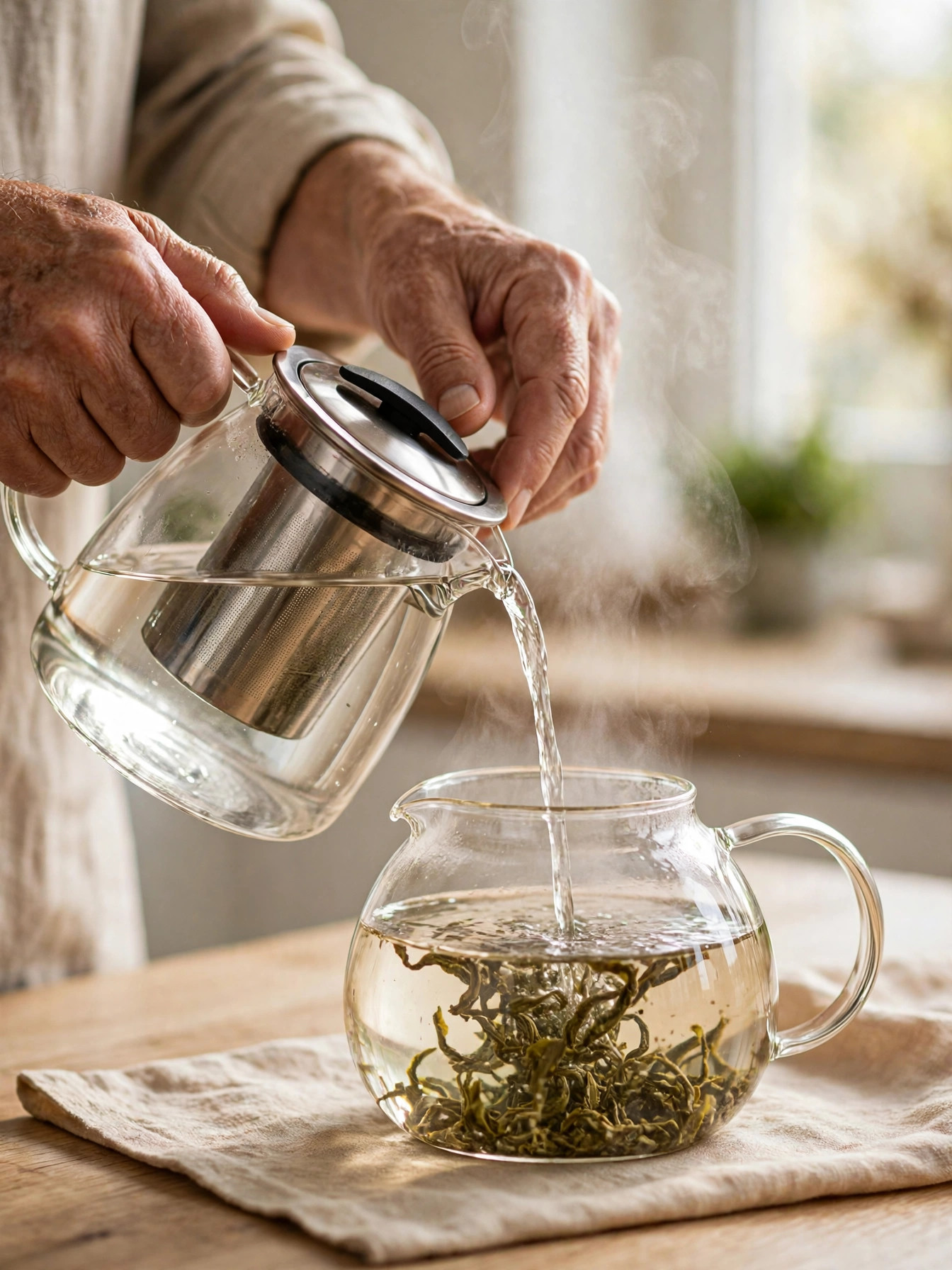
- Use water around 75–80°C (about 170–175°F), not boiling. Boiling water scorches green tea leaves and makes the cup harsh.
- Steep for about 2–3 minutes. Longer steeping pulls out more bitter compounds without adding much benefit.
- Drink it fresh. The benefits in the research come from freshly brewed tea — not bottles, not powders loaded with sugar.
A small practical note: if you usually add sugar or honey, try stepping it down gradually. A cup of green tea sweetened like a dessert starts to defeat the purpose.
The honest caveats
The January 2026 review was refreshingly blunt about what can undermine the benefits — and what the risks are. Here is the honest version:
Not all tea products count. Bottled teas and bubble teas often contain added sugar, artificial sweeteners, and preservatives that may weaken or negate the natural benefits. The research is about plain, freshly brewed tea.
Caffeine timing matters. That 25–45 mg of caffeine per cup is gentle, but it still counts — especially after 60, when sleep can already be fragile. An afternoon or evening cup can quietly push bedtime later. If you are caffeine-sensitive, make your green tea a morning ritual and switch to something caffeine-free later in the day; our guide to evening habits that ruin sleep covers the bigger picture.
Tea can interfere with iron and calcium absorption. Tea reduces the absorption of non-heme iron (the kind from plants) and, to a lesser extent, calcium. This matters most for people on vegetarian diets, anyone at risk of iron deficiency, and women with low iron stores. The fix is simple: drink your tea between meals rather than with them.
Contaminants are a concern mainly for heavy, long-term drinkers. The review raised pesticide residues, heavy metals, and microplastics as issues — but noted these are not considered a significant risk at typical intake levels. If you drink very large amounts of tea daily over many years, buying from reputable sources is a reasonable precaution, not a reason for alarm.
If you take blood thinners, talk to your clinician. Green tea contains small amounts of vitamin K, which can make anticoagulant drugs such as warfarin less effective. The NCCIH also notes that green tea at high doses may reduce blood levels of certain blood-pressure drugs. Your cup of morning tea is not an emergency — but any change in your tea habits is worth mentioning at your next appointment.
When to see a doctor
Green tea is a beverage, not a treatment — and it does not change when you need medical care. See your doctor promptly if you notice any of the following, whether or not you drink tea:
- Chest pain, pressure, or unusual shortness of breath — these are never “wait and see” symptoms at any age.
- Memory or thinking changes that interfere with daily life, such as getting lost in familiar places or struggling with bills and medications.
- Rapid, unexplained muscle weakness, frequent falls, or difficulty rising from a chair — these deserve evaluation, not just a dietary tweak.
- Signs of iron deficiency: unusual fatigue, pale skin, shortness of breath on exertion, or cravings for ice or non-food items.
- If you take warfarin or other blood thinners, ask your clinician about your tea intake before increasing it.
And if you are considering concentrated green tea extract supplements rather than brewed tea, discuss it with your doctor first — especially if you have any liver condition.
Sources
- Yang, M., Zhou, L., et al. — “Freshly brewed tea offers the most benefit” (review, Beverage Plant Research, reported January 2026). Coverage: https://medicalxpress.com/news/2026-01/freshly-brewed-tea-term-health.html
- “Tea can improve your health and longevity, but how you drink it matters” — summary of the Yang & Zhou review, Beverage Plant Research. http://www.sciencedaily.com/releases/2026/01/260127112132.htm
- U.S. National Center for Complementary and Integrative Health (NCCIH) — “Tea”: components, heart-disease evidence, caffeine, vitamin K and drug interactions. https://www.nccih.nih.gov/health/tea
- NCCIH — “High Cholesterol and Natural Products: What the Science Says”: green tea associated with small but significant reductions in total and LDL cholesterol. https://www.nccih.nih.gov/health/providers/digest/high-cholesterol-and-natural-products-science
- Alzheimer’s Drug Discovery Foundation, Cognitive Vitality — “Green Tea & Your Brain”: meta-analyses reporting associations with lower cognitive impairment and dementia risk, strongest in midlife and older adults. https://www.alzdiscovery.org/cognitive-vitality/ratings/green-tea
This article is for general information only and is not medical advice. If you have a health condition or take medication, talk to your doctor or another qualified health professional before making changes based on what you read here.