12 Science-Backed Healthy Aging Habits After 50
There is no secret to aging well. Ask the researchers at the National Institute on Aging or the CDC and you will hear a refreshingly ordinary answer: the everyday habits — how you move, eat, sleep, and connect with people — shape how you feel at 60, 70, and beyond far more than any single pill or program ever could.
The encouraging part is that none of this requires an overhaul. Small, steady changes are linked in large studies to better mobility, sharper thinking, and fewer chronic health problems in later life. None of these habits guarantees a longer life — aging is complex, and genetics and luck play their part. But each one is backed by real institutional guidance and evidence suggesting it may help. Here are twelve habits worth building, starting this week.
Move every day
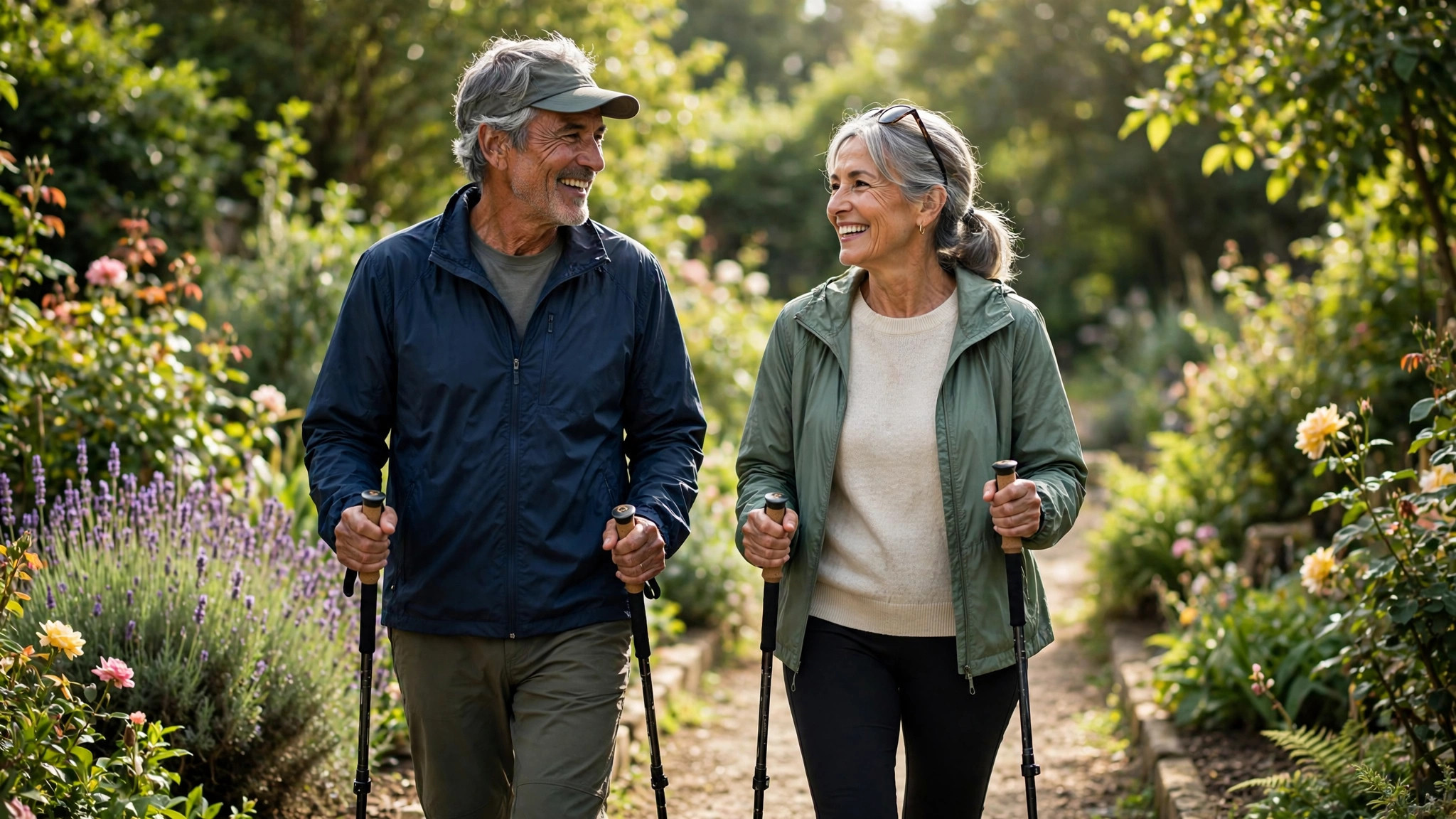
The single best-documented healthy aging habit is regular physical activity. The CDC’s physical activity guidelines recommend that adults get at least 150 minutes of moderate-intensity aerobic activity each week — brisk walking counts — plus activities that strengthen the muscles. Older adults who stay active are linked in research to better balance, fewer falls, and a lower risk of heart disease and type 2 diabetes.
You do not need a gym. A 30-minute brisk walk five days a week meets the aerobic goal. Break it into 10-minute chunks if that feels easier — the minutes add up just the same. Learn more about staying active as the years add up.
Build strength twice a week
After 50, the body naturally loses muscle mass — a process called sarcopenia — and that loss is linked to weaker bones, more falls, and less independence. Strength training two or more days a week, as the guidelines recommend, may help slow that decline. You can use resistance bands, light dumbbells, or your own body weight with moves like wall push-ups, chair squats, and step-ups.
Start light and focus on good form. Even one set of each exercise makes a difference when you do it consistently, and many community centers offer senior-friendly strength classes.
Train your balance and flexibility
Falls are one of the leading causes of injury in older adults, and balance training is one of the most practical ways to lower that risk. The National Institute on Aging’s Go4Life guidance highlights four types of exercise for healthy aging — endurance, strength, balance, and flexibility — and the last two are easy to neglect.
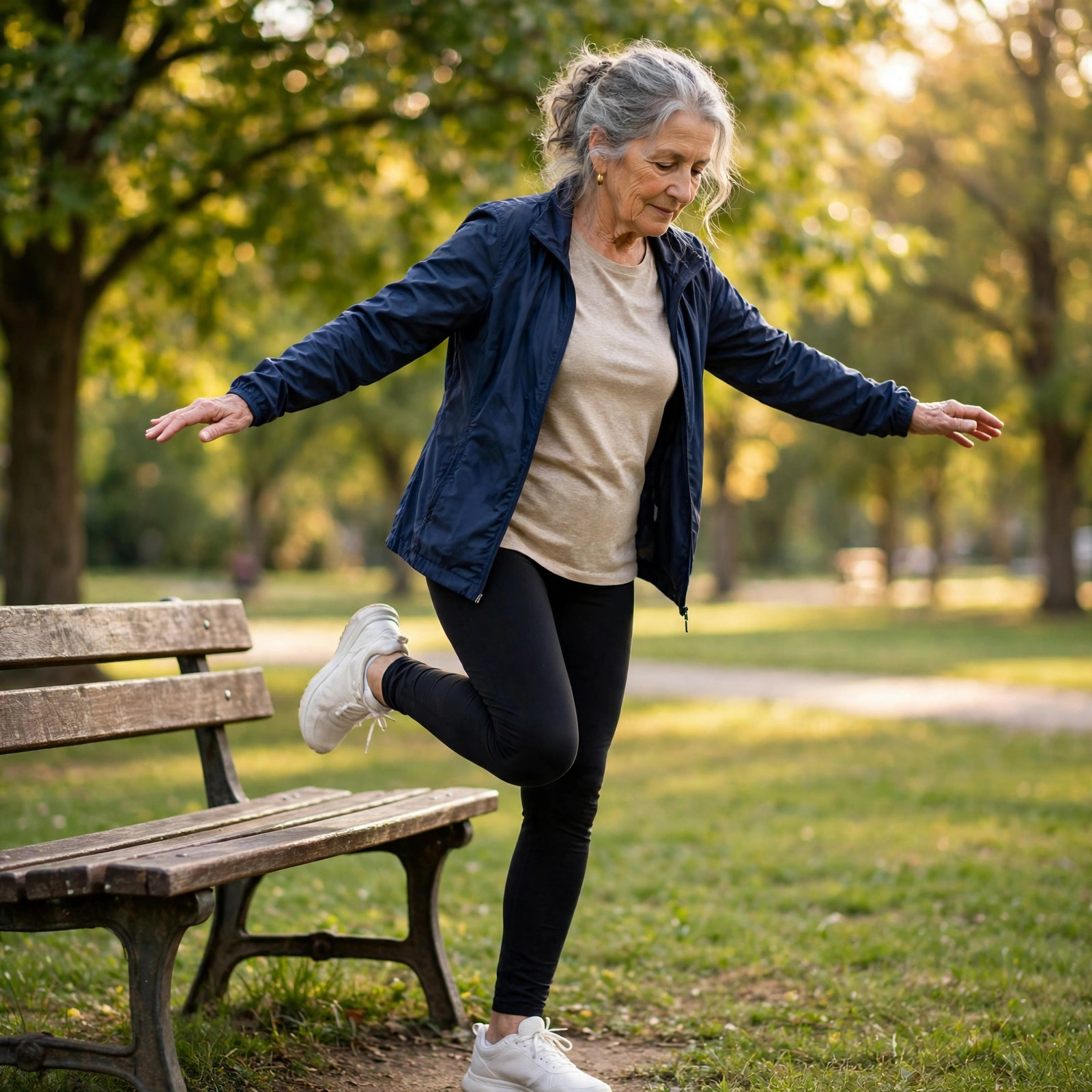
Try standing on one foot while brushing your teeth, walking heel-to-toe along a hallway, or a gentle tai chi or yoga class. Add a few minutes of stretching for the neck, shoulders, hips, and calves a few times a week to keep joints comfortable and movement easy.
Eat mostly plants and get enough protein
Older adults need slightly more protein than younger people to maintain muscle, yet many eat less of it. The Dietary Guidelines for Americans recommend a nutrient-dense eating pattern built around vegetables, fruits, whole grains, legumes, nuts, and lean protein sources like fish, poultry, beans, and low-fat dairy.
A practical rule of thumb: fill half your plate with vegetables at lunch and dinner, and include a palm-sized portion of protein at each meal. If your appetite has shrunk, smaller protein-rich meals and snacks — Greek yogurt, eggs, lentil soup, tuna — may help you meet your needs.
Lean toward a Mediterranean-style pattern
One of the most studied eating patterns in the world, the Mediterranean-style diet emphasizes olive oil, vegetables, fruits, whole grains, fish, beans, and nuts, with modest amounts of dairy and poultry and limited red meat and sweets. Mayo Clinic and other institutions describe it as consistently linked in observational research to better heart health and healthier aging.

You do not have to move to the Mediterranean to eat this way. Swap butter for olive oil, add beans to a soup, choose fish twice a week, and snack on a handful of nuts instead of chips. See our full guide to eating Mediterranean-style after 50.
Keep a healthy weight
Carrying excess weight after 50 is linked to higher risks of heart disease, diabetes, joint pain, and sleep apnea, while being underweight can signal muscle loss or poor nutrition. The CDC notes that even modest, gradual weight loss — 5 to 10 percent of body weight — is linked to meaningful health improvements for people who are overweight.
Forget crash diets. The habits above — daily movement, a plant-forward diet, and adequate sleep — tend to nudge weight in a healthy direction on their own. If weight is changing without explanation, bring it up with your clinician.
Sleep 7 to 8 hours a night
The CDC recommends that adults get 7 or more hours of sleep per night, and research links short sleep to higher risks of obesity, diabetes, high blood pressure, and cognitive problems. Yet sleep often gets lighter and more broken after 50, so protecting it becomes a habit of its own. Here is why sleep changes with age.

Keep a consistent bedtime and wake time, even on weekends. Dim the lights an hour before bed, keep the bedroom cool and dark, and limit caffeine after midday. A short wind-down routine — reading, gentle stretching — can signal your body that it is time to rest.
Manage stress deliberately
Chronic stress is linked to higher blood pressure, poorer sleep, and a weaker immune response — all of which matter more with age. The good news is that simple practices are supported by evidence: slow deep breathing, regular walks, time in nature, prayer or meditation, and even a few minutes of journaling may help lower the body’s stress response.
Notice what actually calms you and schedule it the way you would a medication. Ten unhurried minutes with a morning cup of tea, no phone in hand, counts.
Stay socially connected
Loneliness is not just a feeling — the National Institute on Aging reports that social isolation and loneliness are linked to higher risks of heart disease, depression, cognitive decline, and early death in older adults. Staying connected is a health habit in the truest sense.
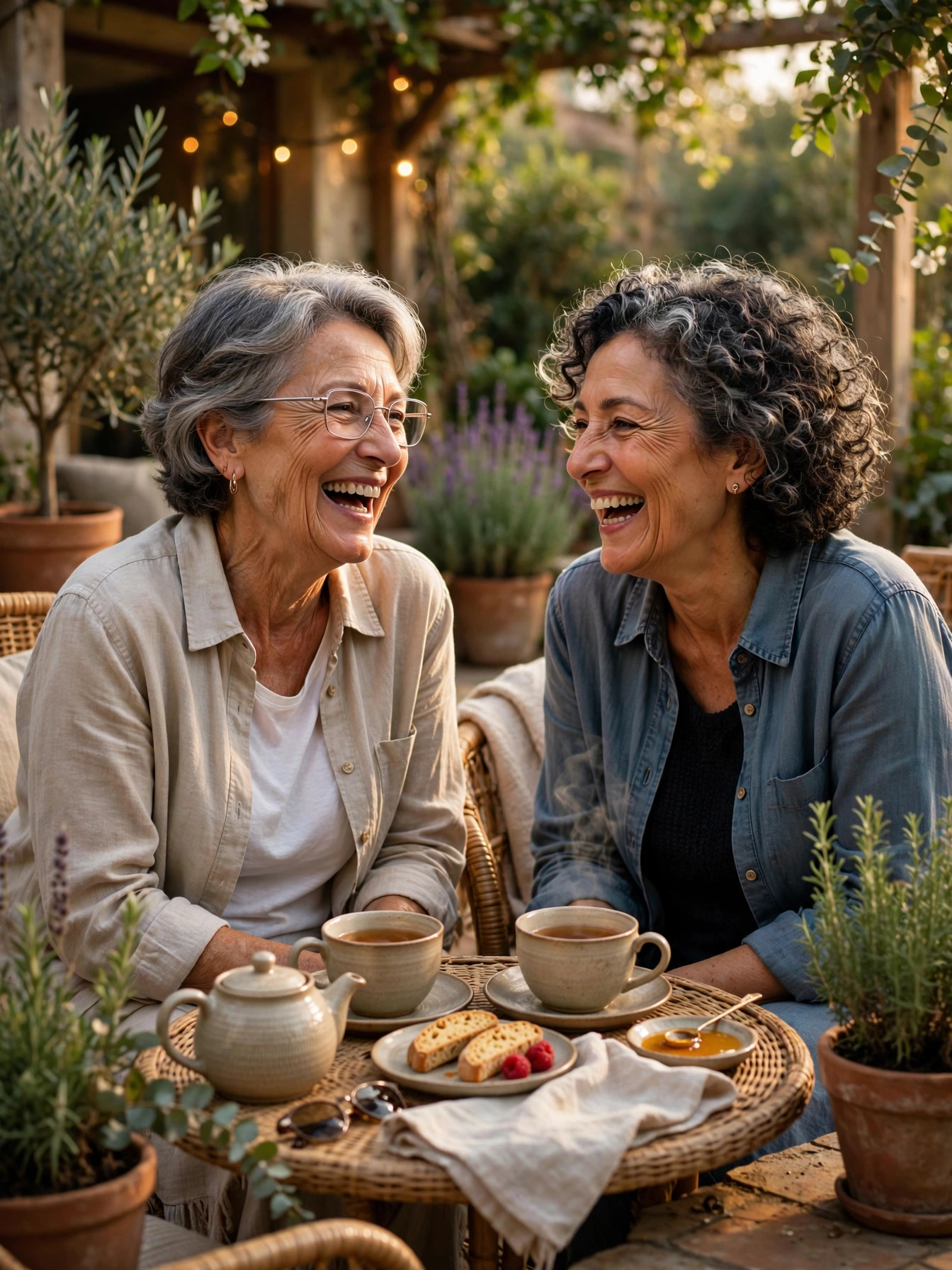
Call a friend weekly, join a walking group or class, volunteer a few hours a month, or simply make lunch with a neighbor a standing date. If mobility limits your outings, video calls and community programs can help bridge the gap.
Keep learning new things
A curious mind is a healthier mind. The NIA’s research on cognitive health suggests that mentally stimulating activities — learning a language, picking up an instrument, taking a class, doing puzzles, or even mastering a new recipe — are linked to better cognitive function in later life. What matters most is novelty and challenge, not perfection.
Pair the mental workout with the social one: a group class or club keeps you learning and connected at the same time. Diet choices may support brain health too — see the MIND diet research.
Limit alcohol
Alcohol affects older bodies more strongly, interacting with common medications and raising the risk of falls, liver problems, and certain cancers. The Dietary Guidelines for Americans advise that adults who drink should limit intake to 1 drink or less per day for women and 2 or less per day for men — and less is better.
Try alcohol-free days each week, choose smaller servings, and alternate each drink with water. If cutting back feels hard, your clinician can help without judgment.
Don’t smoke — and stay current on preventive care
If you smoke, quitting is one of the most powerful healthy aging steps there is: the CDC notes that the body begins to recover within weeks of quitting, with benefits to the heart, lungs, and circulation that grow over time. It is never too late — people who quit after 60 still see meaningful health gains. Free quitlines and clinician support make it easier than going it alone.
Equally important is keeping up with the quieter kind of prevention: blood pressure checks, cholesterol tests, diabetes screening, recommended cancer screenings, and staying current on vaccines such as the flu shot, COVID-19 boosters, shingles, and pneumococcal vaccines. These are discussed with your clinician based on your age and health history.
How to start this week
Twelve habits can feel like a lot, so do not try all twelve at once. Pick two — a daily walk and a consistent bedtime are excellent starters — and practice them for a couple of weeks until they feel automatic. Then add a third. Research on habit formation suggests that small wins build on each other: each success makes the next change feel easier.
Track your progress simply, with a checkmark on the calendar or a note on the fridge. And remember the honest framing: these habits are linked to better aging in the best research we have, but none promises a specific outcome. What they offer is better odds — and a daily life that feels more energetic, connected, and your own.
When to see a doctor
Healthy habits support your body, but they do not replace medical care. See your clinician promptly if you notice chest pain or pressure, shortness of breath, sudden weakness or numbness, unexplained weight loss, persistent sadness or loss of interest, a fall or repeated near-falls, or any new symptom that worries you. Bring a list of your medications to every visit, and ask which screenings and vaccines are recommended for your age and health history.
Sources
- National Institute on Aging. “Exercise and Physical Activity.” https://www.nia.nih.gov/health/exercise-and-physical-activity
- Centers for Disease Control and Prevention. “Physical Activity Guidelines.” https://www.cdc.gov/physical-activity/guidelines/index.html
- Centers for Disease Control and Prevention. “About Sleep: How Much Sleep Do I Need?” https://www.cdc.gov/sleep/about/index.html
- U.S. Department of Agriculture and U.S. Department of Health and Human Services. “Dietary Guidelines for Americans, 2020–2025.” https://www.dietaryguidelines.gov/
- Mayo Clinic. “Mediterranean Diet: A Heart-Healthy Eating Plan.” https://www.mayoclinic.org/healthy-lifestyle/nutrition-and-healthy-eating/in-depth/mediterranean-diet/art-20047801
- National Institute on Aging. “Social Isolation, Loneliness in Older People Pose Health Risks.” https://www.nia.nih.gov/health/loneliness-and-social-isolation/loneliness-and-social-isolation-tips-staying-connected
This article is for informational purposes only and is not medical advice. Talk to your clinician before making major lifestyle changes.