
Napping After 60: Helpful or Harmful?
That heavy-eyed pull around early afternoon is something many people over 60 know well. A short nap can feel like a reset button — but you may also have heard that napping ruins your nighttime sleep. So which is it: helpful or harmful?
The honest, evidence-based answer is: it depends on the nap. Research suggests that short, early-afternoon naps of about 20–30 minutes may help alertness, mood, and possibly daytime blood pressure in older adults. Long, frequent, or late-day naps, on the other hand, are linked to more nighttime sleep problems — and sometimes to underlying health issues that deserve a doctor’s attention.
Here is what the research actually says, how to nap the right way, and when daytime sleepiness is a signal to talk to your doctor.
Why naps get more common after 60
First, some context: napping is not a sign of laziness, and it is not proof that you are “not sleeping right.” Sleep patterns shift with age — lighter sleep, earlier bedtimes and wake times, and more frequent nighttime awakenings are all normal changes. (We have covered this in detail in our guide to why sleep changes after 50 and what to do about it.)
Those changes mean many older adults simply do not get the same consolidated nighttime rest they once did, so a daytime dip in alertness is natural. In many cultures — the Mediterranean siesta being the most famous — a short afternoon rest has been normal for generations.
The question is not whether napping is normal. It is whether your particular naps are helping or quietly causing trouble.
What research says about the benefits
When researchers look at short naps — roughly 20 to 30 minutes, taken in the early afternoon — the findings are mostly positive for older adults:
- Alertness and reaction time. Studies of daytime napping consistently find that a brief nap improves alertness and cognitive performance in the hours afterward. This may hold even more for older adults, because their nighttime sleep tends to be lighter and more fragmented.
- Mood. People who take short naps frequently report better mood in the afternoon. It is a modest effect, but a consistent one.
- Blood pressure. Some research suggests that a midday nap is linked to healthier daytime blood pressure readings. A Greek study of people with high blood pressure found that those who napped at midday had slightly lower average blood pressure — an association, not proof of cause, but worth noting.
- Heart-health signals. A large Swiss study that followed about 3,400 adults found that people who napped once or twice a week had a lower rate of cardiovascular events than non-nappers. Daily nappers, however, did not show the same benefit — suggesting that occasional short naps may reflect a healthy rhythm, while daily long napping can reflect something else entirely.
The pattern across studies is fairly clear: short, occasional naps look helpful; long, frequent naps tell a different story.
The downsides: when napping backfires
Naps can undermine your sleep when they cross a few lines:
Napping too long. Once a nap stretches past about 30 minutes, you risk sinking into deeper sleep. Waking from deep sleep brings “sleep inertia” — that groggy, disoriented feeling that can take half an hour to shake off. Worse, long naps reduce the sleep pressure that helps you fall asleep at night.
Napping too late. Naps after roughly 3 p.m. can push bedtime later and fragment nighttime sleep. The closer a nap sits to your bedtime, the more likely it is to cost you rest later.
Daily long napping as a pattern. This is where the research turns interesting. Large observational studies have found that people who nap for an hour or more a day tend to have more cardiovascular problems and worse outcomes over time. But researchers are careful with this finding: the nap itself may not be the cause. Long daytime naps are often a marker of poor nighttime sleep, sleep apnea, depression, or medication side effects — the health issues behind the napping may be what is driving the risk.
Put simply: a 20-minute nap is usually a choice. Needing two hours every afternoon is often a symptom.
The right way to nap: a simple guide
If you want napping to work for you, the rules are straightforward:
- Keep it to 20–30 minutes. Set an alarm for 25–30 minutes. This keeps you in the lighter stages of sleep, so you wake up refreshed rather than groggy.
- Nap early in the afternoon. The sweet spot is roughly 1 to 3 p.m. — when your body’s natural circadian dip makes you sleepy anyway. Avoid napping after 3 p.m.
- Make it dark and quiet. Dim the lights, silence notifications, and use the same tricks you use at night. A brief wind-down — a few minutes of reading, some slow breathing — helps you fall asleep faster, so more of your nap is actual rest.

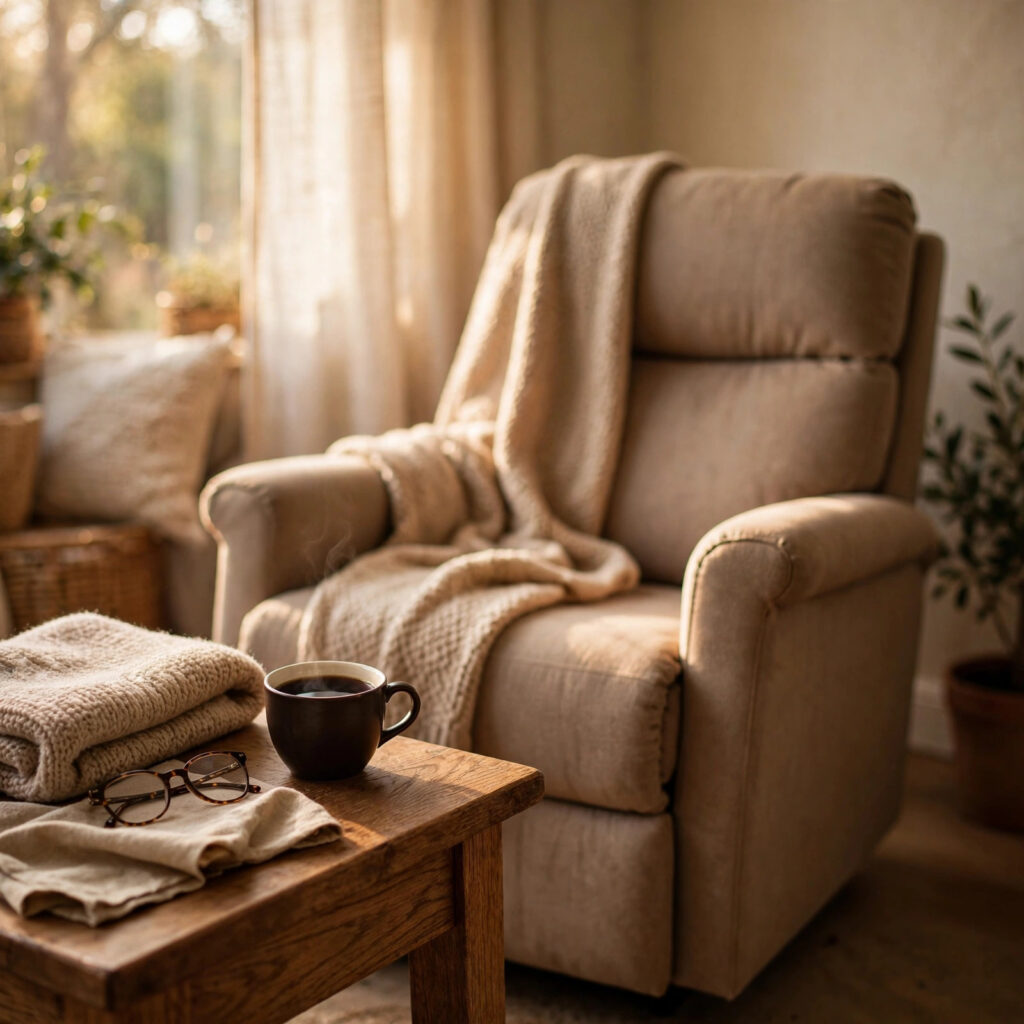
- Use a chair, not your bed, if you can. A recliner or couch works well. Sleep specialists generally recommend keeping the bed associated with nighttime sleep, and it helps keep your body clock honest.
- Give yourself a few minutes to wake up. Splash water on your face, get some daylight, and move around. Most people feel fully alert within 10–15 minutes of a short nap.

Quick tip: if you drink coffee, a small cup right before a 20-minute nap — sometimes called a “coffee nap” — is supported by some evidence. Caffeine takes about 20 minutes to kick in, so it can arrive just as you wake. Keep it to the early afternoon so it does not affect your night.
What napping means for the rest of your day
A good nap does not exist in isolation. A few habits make naps more likely to help and less likely to cause problems:
- Morning daylight. Getting outside (or sitting by a bright window) in the morning helps set your body clock, which makes nighttime sleep deeper and afternoon naps more restorative.

- Gentle daytime activity. A daily walk or some light exercise improves nighttime sleep quality — and can reduce the urge for long naps in the first place.
- Watch the caffeine clock. Afternoon coffee after a nap is fine; coffee within 6–8 hours of bedtime can keep you up regardless of age.
- Keep a consistent sleep schedule. Going to bed and waking at roughly the same time each day is one of the most recommended habits from sleep experts. A short nap fits inside a consistent schedule; an erratic one does not.
- Limit alcohol in the evening. Alcohol may make you drowsy, but it fragments sleep and can worsen snoring — which makes the next day’s need to nap bigger, not smaller.
When to see a doctor
Most napping after 60 is harmless. But excessive daytime sleepiness — especially if it is new, getting worse, or does not improve with short naps — is worth bringing up with your doctor. It can be a sign of something treatable:
- Sleep apnea. Loud snoring, gasping or choking during sleep, and waking with a headache or dry mouth are classic warning signs. Sleep apnea becomes more common with age and is one of the most frequent causes of overwhelming daytime sleepiness — and it is treatable. If any of these sound familiar, it is worth reading about the 7 warning signs of sleep apnea after 60 and discussing them with your doctor.
- Medication effects. Many common medications — blood pressure drugs, antihistamines, pain medicines, some antidepressants — list drowsiness as a side effect. Never stop a medication on your own, but ask your doctor or pharmacist to review your list if sleepiness is new.
- Depression. Low mood, loss of interest, and changes in sleep (too much or too little) often travel together in older adults. Excessive napping can be part of the picture.
- Restless legs or periodic limb movements. If your legs feel restless at night, your sleep may be interrupted even if you do not fully wake up.
- Sudden, severe sleepiness. Needing far more sleep than usual over a short period — or dozing off during conversations, meals, or while driving — deserves prompt medical attention. Do not drive if you are falling asleep.
A simple rule: if naps refresh you, enjoy them. If you need long naps just to function — or you are sleepy despite a full night’s sleep — get checked.
The bottom line
Napping after 60 is neither a superpower nor a problem — it is a tool. A 20-to-30-minute nap in the early afternoon may help alertness, mood, and possibly daytime blood pressure, with little risk to your nighttime sleep. Long or late naps can backfire, and needing them every day can be a sign that something else — apnea, medication, or mood — needs attention.
Nap short, nap early, and treat new or worsening daytime sleepiness as information worth sharing with your doctor.
Sources
- National Institute on Aging, “Sleep and Older Adults” — https://nia.nih.gov/health/sleep/sleep-and-older-adults
- Mayo Clinic, “Napping: Do’s and don’ts for healthy adults” — https://www.mayoclinic.org/healthy-lifestyle/adult-health/in-depth/napping/art-20048319
- Sleep Foundation, “Napping” — https://www.sleepfoundation.org/sleep-hygiene
- NHS, “Insomnia” — https://www.nhs.uk/conditions/insomnia/
- Cleveland Clinic, “Napping: Is It Good or Bad for You?” — https://health.clevelandclinic.org/is-napping-good-for-you
This article is for general information only and is not medical advice. Talk to your doctor or a qualified health professional about your personal situation.