
How Much Salt Is Too Much After 60?
Salt makes food taste good. It also quietly pushes blood pressure up — and after 60, your body becomes more sensitive to its effects. The average American eats far more sodium than recommended, most of it hidden in everyday foods rather than the salt shaker. The good news: small, practical changes can bring your intake down without making food bland.
First: Sodium Is Not the Same as Salt
Salt and sodium are often used interchangeably, but they are not the same thing. Table salt is sodium chloride — about 40% sodium and 60% chloride by weight. That means 1 teaspoon of salt (about 6 grams) contains roughly 2,300 mg of sodium.
This matters because nutrition labels list sodium, not salt. When a guideline says “no more than 2,300 mg of sodium a day,” that equals about one teaspoon of salt — total, from all foods combined.
What the Guidelines Say: How Much Sodium Per Day?
Major health authorities agree on the ballpark, with slightly different numbers:
| Authority | Recommended limit | Applies to |
|---|---|---|
| US Dietary Guidelines (FDA) | 2,300 mg sodium/day | Everyone 14 and older |
| US Dietary Guidelines, ideal limit | 1,500 mg sodium/day | Adults with high blood pressure |
| World Health Organization | 2,000 mg sodium/day (under 5 g salt) | Adults |
| UK NHS | 6 g salt/day (about 2,400 mg sodium) | Adults 11 and older |
The average American consumes about 3,400 mg of sodium a day — well above every one of these limits. For most adults over 60, aiming for the 1,500–2,300 mg range is a sensible target, but check with your doctor: people with certain conditions (like advanced kidney disease or heart failure on specific medications) may need individualized guidance.
Why Salt Sensitivity Increases After 60
Blood pressure tends to rise with age as blood vessels stiffen — and sodium makes the effect stronger. Research suggests older adults are more “salt-sensitive”: the same amount of sodium raises blood pressure more at 65 than it did at 35. Kidneys also become less efficient at excreting excess sodium.
This is one reason high blood pressure becomes so common after 60, and why cutting back on sodium is one of the most effective dietary steps for blood pressure control. Even a modest reduction — say, 1,000 mg a day — is linked to meaningful blood pressure improvements.
Where Sodium Actually Comes From (It’s Not Your Salt Shaker)

Here is the surprise for most people: only about 10–15% of the sodium you eat comes from the salt shaker. Roughly 70% is already in processed and restaurant foods before you ever taste them. The biggest contributors in a typical diet:
- Bread and rolls. Not very salty per slice, but we eat a lot of it — making bread the #1 source of sodium in the American diet.
- Soup. A single can of soup can contain 600–900 mg of sodium — nearly half a day’s limit.
- Deli meats and cured meats. Ham, salami, bacon, and hot dogs are preserved with salt.
- Sauces and condiments. Soy sauce, ketchup, salad dressings, and marinades.
- Frozen meals and pizza. Convenient, but often loaded with sodium for flavor and preservation.
How to Read a Sodium Label in 30 Seconds
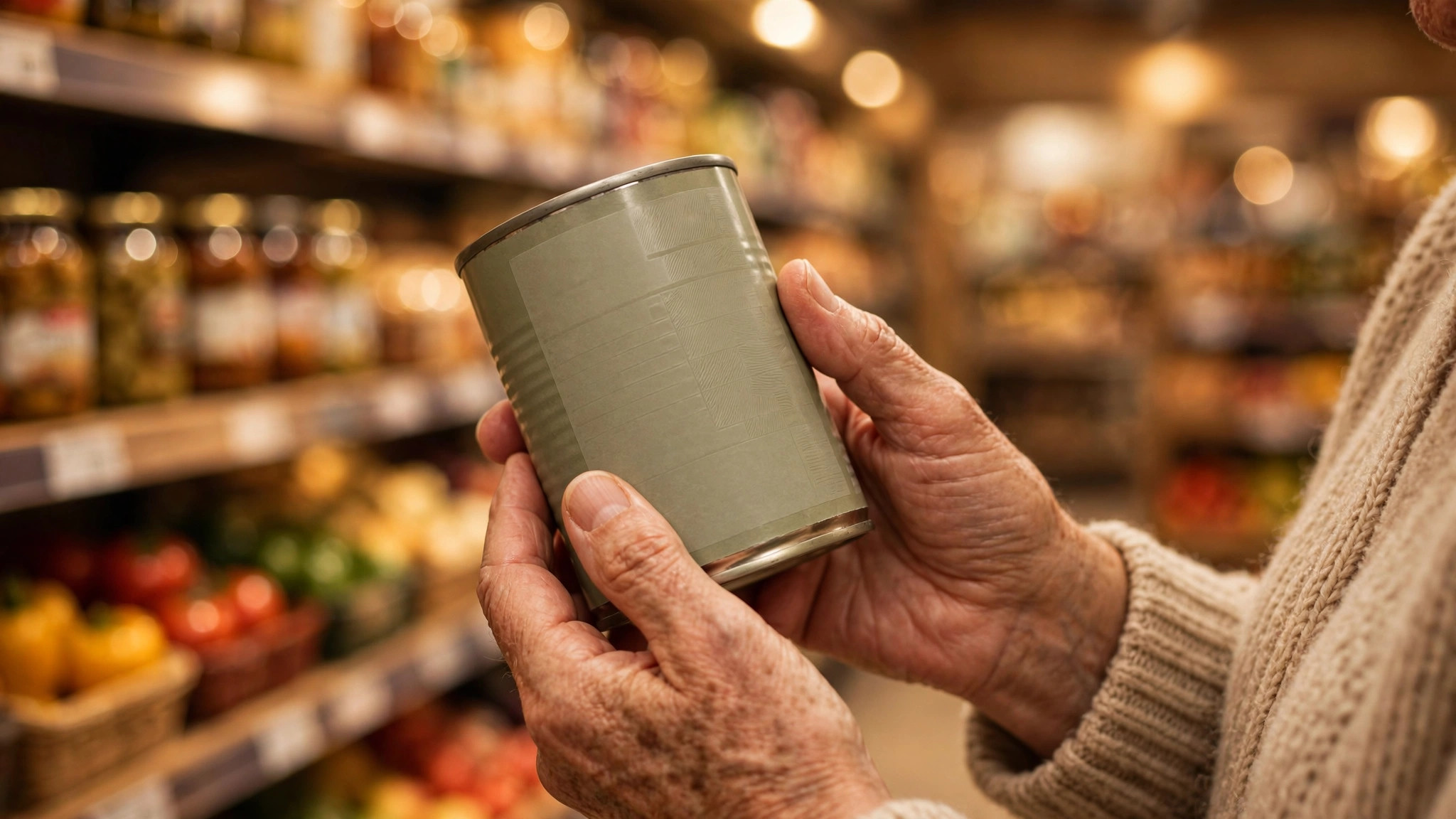
You do not need to become a label detective. Two numbers tell you most of what you need:
1. Milligrams of sodium per serving. As a rule of thumb, 140 mg or less per serving is low; 400 mg or more is high. Compare similar products and pick the lower one.
2. Servings per container. That can of soup with 480 mg of sodium per serving and two servings in the can is really 960 mg — check before you assume.
Also watch the % Daily Value: 5% DV or less is low, 20% DV or more is high. “Reduced sodium” means at least 25% less than the original — which can still be a lot. “Low sodium” (140 mg or less per serving) and “no salt added” are the claims that actually mean something.
Practical Ways to Cut Back Without Losing Flavor
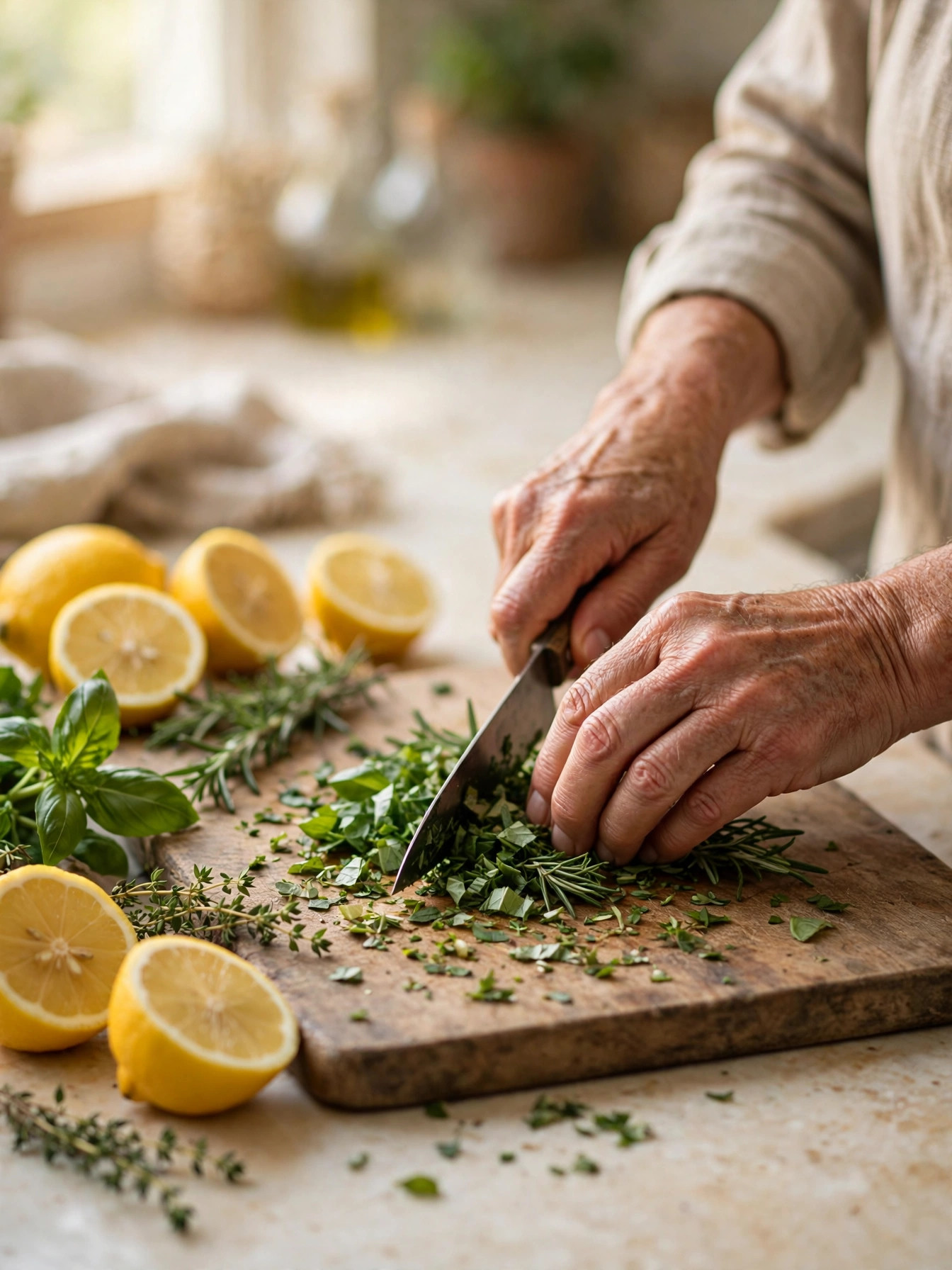
Going cold turkey on salt makes food miserable, and miserable diets do not last. Instead, retrain your palate gradually:
- Cook more at home. Restaurant and packaged foods are the main sodium source; home cooking puts you in control.
- Flavor with herbs, spices, garlic, lemon, and vinegar instead of salt. A squeeze of lemon or a teaspoon of smoked paprika can replace a surprising amount of salt.
- Rinse canned beans — it washes away a meaningful share of the sodium.
- Choose “no salt added” versions of canned tomatoes, beans, and broth.
- Taste before you salt. Many of us salt out of habit before the first bite.
- Cut back in stages. Reduce by a quarter, wait two weeks for your taste buds to adjust, then reduce again.
The DASH Diet Connection

The DASH eating pattern (Dietary Approaches to Stop Hypertension) was designed around exactly this problem. It emphasizes fruits, vegetables, whole grains, and low-fat dairy while limiting sodium — and trials show it lowers blood pressure, especially when combined with sodium reduction. You do not need to follow it perfectly; borrowing its principles (more produce, less processed food) captures most of the benefit.
Potassium-rich foods (beans, bananas, potatoes, leafy greens) help the body excrete more sodium — but if you have kidney disease or take certain blood-pressure medicines, check with your doctor before deliberately increasing potassium.
When to see a doctor
Diet articles have limits. Talk to your clinician if you notice:
- Blood pressure readings consistently at or above 130/80, or a new diagnosis of hypertension
- Swelling in your feet, ankles, or hands that could signal fluid retention
- You take blood pressure, heart, or kidney medicines and want to adjust your sodium intake — some medicines change how your body handles sodium and potassium
- You are considering a major dietary change and have diabetes, kidney disease, or heart failure
Sources
- U.S. Food and Drug Administration — Sodium Reduction in the Food Supply (Dietary Guidelines for Americans 2020–2025: limit sodium to 2,300 mg/day for ages 14+; average US intake ~3,400 mg/day). https://www.fda.gov/food/nutrition-food-labeling-and-critical-foods/sodium-reduction-food-supply
- World Health Organization — Sodium Reduction fact sheet (WHO recommends less than 2,000 mg/day sodium, equivalent to less than 5 g/day salt, for adults). https://www.who.int/news-room/fact-sheets/detail/sodium-reduction
- NHS (UK) — Salt in your diet (no more than 6 g of salt a day for adults — about 2,400 mg sodium). https://www.nhs.uk/live-well/eat-well/food-types/salt-in-your-diet/
- American Heart Association — How Much Sodium Should I Eat Per Day? (no more than 2,300 mg/day, with an ideal limit of 1,500 mg/day for most adults). https://www.heart.org/en/healthy-living/healthy-eating/eat-smart/sodium/how-much-sodium-should-i-eat-per-day
- Mayo Clinic — Sodium: How to tame your salt habit. https://www.mayoclinic.org/healthy-lifestyle/nutrition-and-healthy-eating/in-depth/sodium/art-20045479
This article is for general information only and is not medical advice. Talk to your doctor about the right sodium level for you.