Foods That Help Arthritis Pain: What the Research Shows
If your joints ache, you have probably seen the headlines: eat this one food and your arthritis pain will disappear. Let’s start with what the research actually says — because the honest picture is both less exciting and more useful than the headlines suggest.
Some foods and eating patterns are genuinely linked to less joint pain and less inflammation. Others are hyped far beyond their evidence. And no food, supplement, or superfood “cures” arthritis. This guide walks through what scientists know so far, in plain English, so you can make food choices grounded in evidence rather than hope.
The honest starting point: what diet can and can’t do
Arthritis is not one disease. Osteoarthritis involves worn-down cartilage in the joints; rheumatoid arthritis is an autoimmune condition where the immune system attacks joint tissue. Diet affects both mainly through one mechanism: inflammation and body weight.
Excess weight puts extra load on weight-bearing joints — research suggests each extra kilogram of body weight adds roughly four kilograms of load on the knee with each step. Fat tissue also produces inflammatory chemicals. So any eating pattern that helps you maintain a healthy weight tends to help arthritic joints, even if the food itself has no special anti-inflammatory magic.
A diet can:
- Lower overall inflammation, which may reduce joint pain and stiffness
- Supply nutrients that protect joint and bone tissue, like vitamin C, calcium, and omega-3 fats
A diet cannot:
- Repair worn cartilage or reverse structural joint damage
- Replace medication for inflammatory arthritis like rheumatoid arthritis
- Produce rapid, dramatic results — dietary effects are gradual, typically measured over weeks to months
With that grounding, here is what the evidence points to.
The Mediterranean-style pattern: the strongest evidence
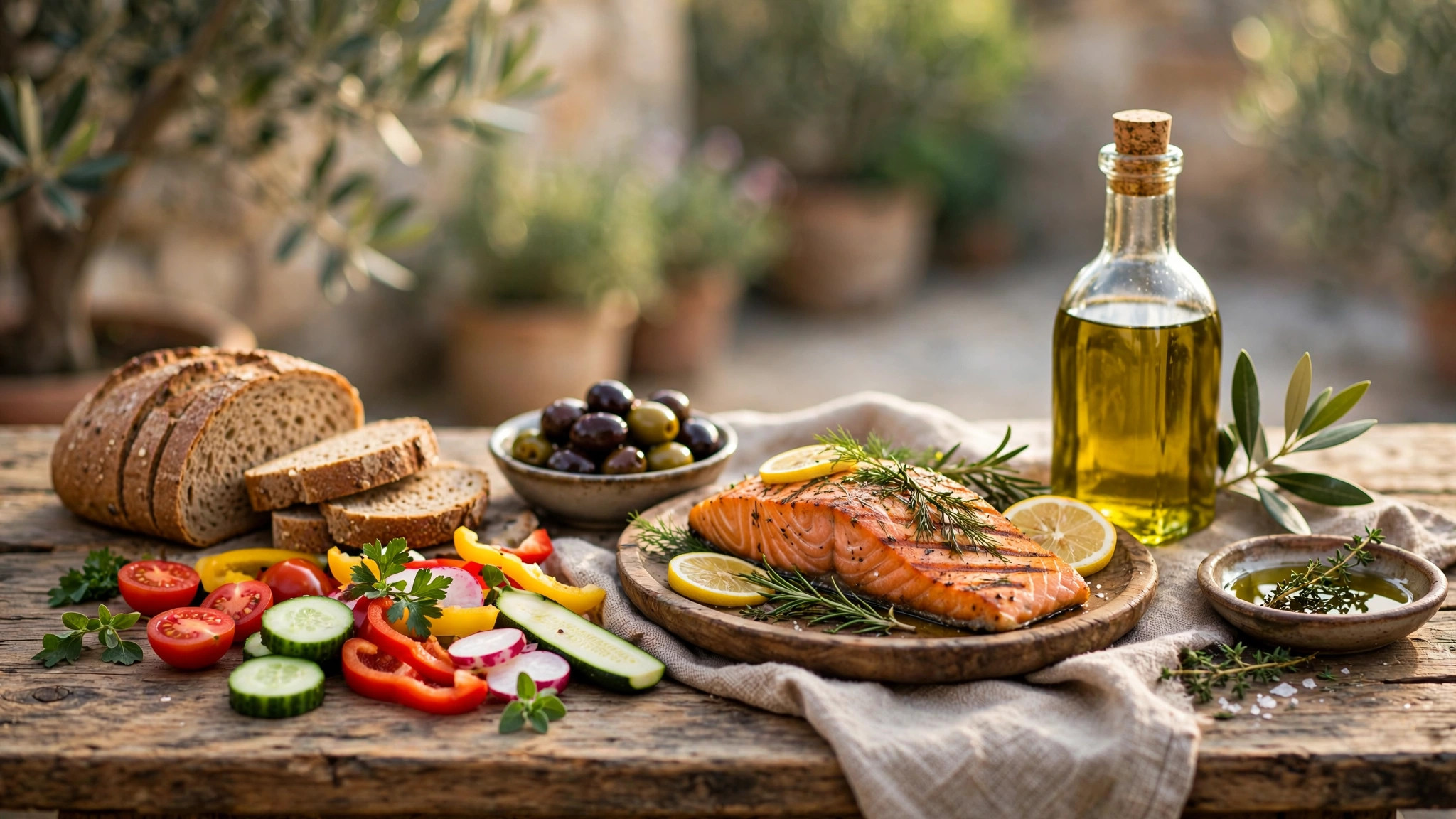
Of all the eating patterns studied for arthritis, the Mediterranean-style diet has the strongest evidence behind it. It is not a formal diet with rules and forbidden foods — it is a way of eating centered on vegetables, fruits, whole grains, legumes, nuts, olive oil as the main fat, and fish more often than red meat.
Systematic reviews of studies on arthritis patients have found that people eating closer to this pattern report less pain and better physical function than those who don’t, particularly in osteoarthritis and rheumatoid arthritis. The evidence is not top-tier (most studies are observational or small trials), but it is the most consistent signal researchers have found.
What it looks like on the plate:
- Vegetables and fruit at most meals
- Whole grains (brown rice, oats, whole-wheat bread) instead of refined grains
- Legumes several times a week (lentils, chickpeas, beans)
- Olive oil as the everyday cooking fat
- Fish — especially oily fish — a couple of times a week
- Red meat and sweets only occasionally
This pattern overlaps heavily with the general healthy-eating guidance in our article on eating well after 45 — good for joints, good for heart, good for weight.
Oily fish: the best-studied single food group
Fish rich in omega-3 fats — salmon, mackerel, sardines, herring, and anchovies — are the most studied arthritis-related food. Omega-3 fatty acids (EPA and DHA) help produce compounds in the body that are linked to lower inflammation.
In rheumatoid arthritis, randomized trials of omega-3 supplements have found modest reductions in joint tenderness and morning stiffness, and some people were able to reduce their pain medication use. For osteoarthritis, the evidence is thinner but points in a similar direction.
What the research suggests in practice:
- Two servings of oily fish a week is the classic public-health guidance, and it is a reasonable starting point for joint health too
- Whole fish is a better first choice than fish-oil capsules — you also get protein, vitamin D, and selenium
- Effects are modest and gradual; think months of regular eating, not one salmon dinner
Fruits and vegetables: color matters
Fruits and vegetables supply vitamin C, vitamin K, and plant compounds called polyphenols — all linked to joint health:
- Vitamin C is needed to make collagen, the protein that gives cartilage its structure. Studies have found that people with higher vitamin C intakes develop knee osteoarthritis less often. Good sources: bell peppers, citrus, kiwi, broccoli, and strawberries.
- Vitamin K may play a role in cartilage health; low levels have been linked to more knee osteoarthritis. Good sources: leafy greens like spinach, kale, and collards.
- Berries and cherries are often highlighted for arthritis. Tart cherry juice has been linked to slightly fewer gout flare-ups in small studies — gout being the arthritis type most directly tied to diet. The effect is real but small, and cherry juice adds sugar, so whole fruit is usually the smarter choice.
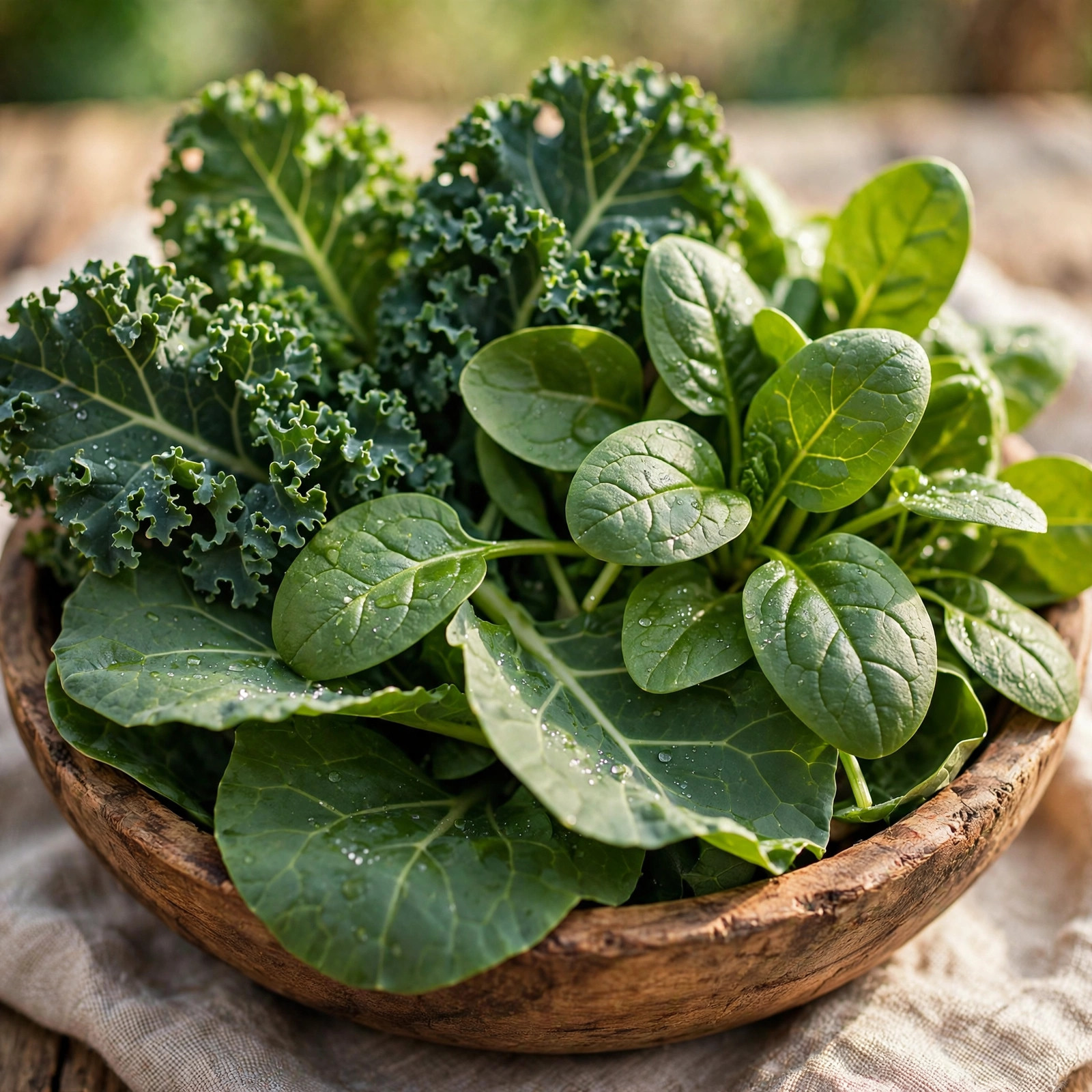

The practical target is the familiar one: at least five portions of varied fruit and vegetables a day, leaning toward deep colors — berries, dark greens, orange peppers.
Whole grains: an underrated anti-inflammation player
Whole grains rarely appear in arthritis headlines, yet the evidence connecting them to lower inflammation is surprisingly steady. Large studies have found that people who eat more whole grains have lower blood levels of inflammatory markers — and chronic inflammation is exactly what makes arthritic joints worse.
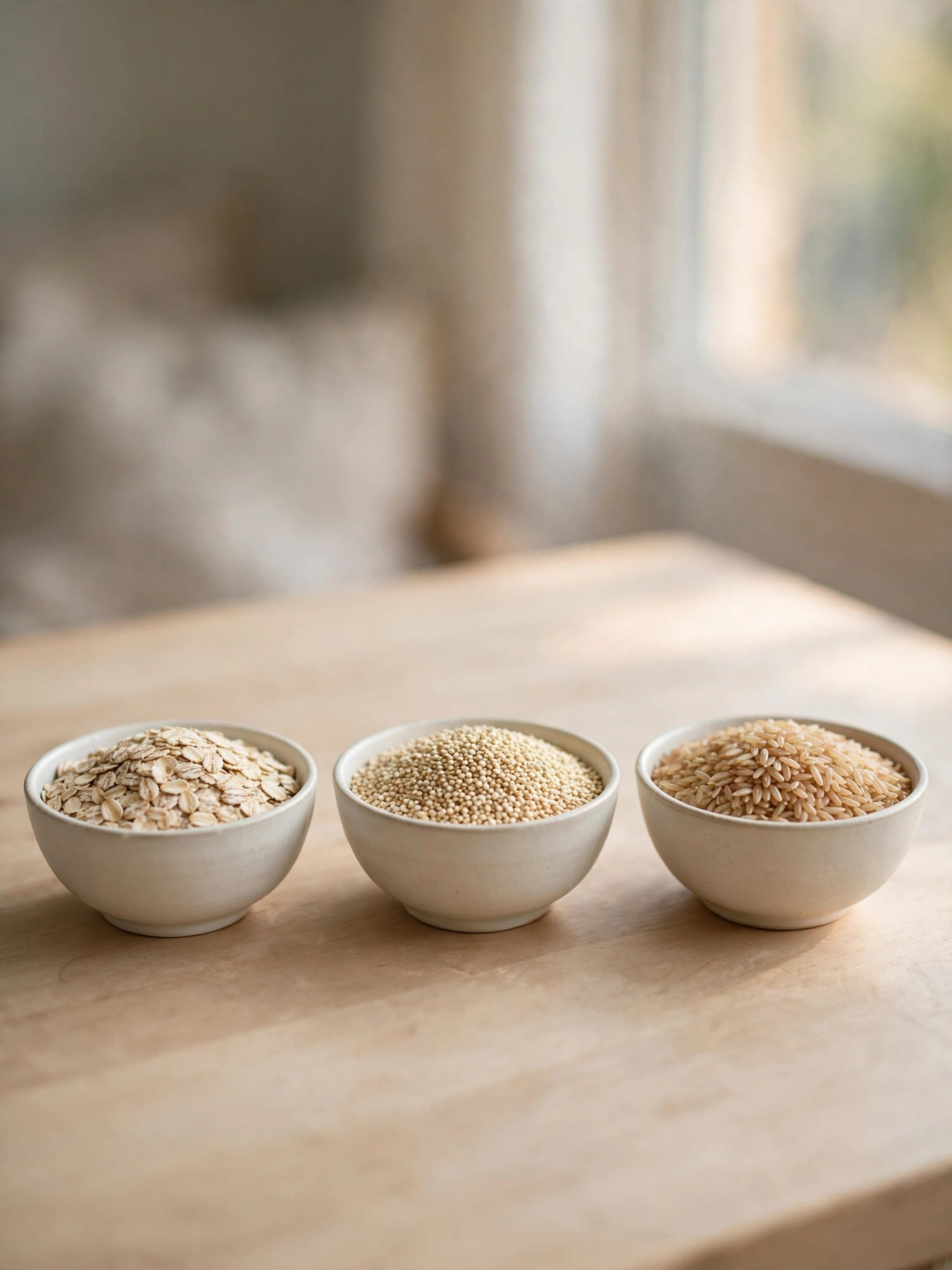
Whole grains also support healthy weight in a very practical way: their fiber keeps you feeling full, and as discussed above, less weight means less joint load. Oats, brown rice, quinoa, barley, and genuine whole-grain bread all count. Aim for at least half of your grain servings to be whole grain, per the widely used US dietary guidance.
Foods worth limiting: the other side of the equation
What you eat less of matters too, because several common foods are linked to more inflammation:
- Ultra-processed foods — packaged snacks, processed meats, and fast food tend to be high in refined carbs, unhealthy fats, and salt, and low in the nutrients joints need. People with diets high in ultra-processed foods show higher inflammatory markers.
- Sugary drinks — regular soda and other sugar-sweetened drinks are linked to higher inflammation and weight gain; some research has tied frequent sugary-drink consumption to higher rheumatoid arthritis risk.
- Excess alcohol — a little alcohol may not harm joints, but heavy drinking is linked to inflammation and to gout flares in particular. Gout-prone people should be especially cautious with beer.
- Very salty processed foods — high salt intake may worsen rheumatoid arthritis symptoms in some people, though the evidence is still developing.
None of these need to be feared or banned — the Mediterranean pattern works precisely because it crowds them out naturally rather than through strict rules.
Claimed to help: what about turmeric, ginger, and bone broth?
This is where honesty matters most. Several foods are heavily marketed for arthritis but have weak or mixed evidence:
- Turmeric/curcumin — Curcumin is poorly absorbed from food, which is why studies use concentrated extracts. Small trials suggest modest pain reduction — but the products sold in stores vary wildly in dose, and the effect of a teaspoon of turmeric in cooking is essentially unproven. Promising, not proven.
- Ginger — A few small trials suggest ginger extracts may slightly reduce osteoarthritis pain. The evidence is thin, and eating ginger in normal cooking amounts is unlikely to make a noticeable difference.
- Bone broth — There is essentially no good evidence that drinking bone broth improves joint pain. Your stomach breaks down its protein just like any other protein. Nutritious as a soup base, but not a treatment.
- “Nightshade” vegetables (tomatoes, peppers, eggplant) — Some claim these worsen arthritis pain, but there is no solid scientific evidence behind it. Nightshades are nutritious; avoiding them without evidence removes healthy foods from your plate.
- Apple cider vinegar — No meaningful evidence for arthritis pain. Claims are anecdotal.
The pattern: if a food is marketed with grand promises, the evidence is almost always weaker than the marketing. Stick with the eating patterns that large bodies of research actually support.
A joint-friendly day of eating
Putting it together — nothing exotic, nothing expensive:
- Breakfast: oatmeal topped with berries and walnuts; a cup of green tea
- Lunch: lentil soup with whole-grain bread; an orange
- Dinner: baked salmon with roasted broccoli and peppers, brown rice, and a drizzle of olive oil
- Snacks (if hungry): Greek yogurt, a small handful of almonds, an apple
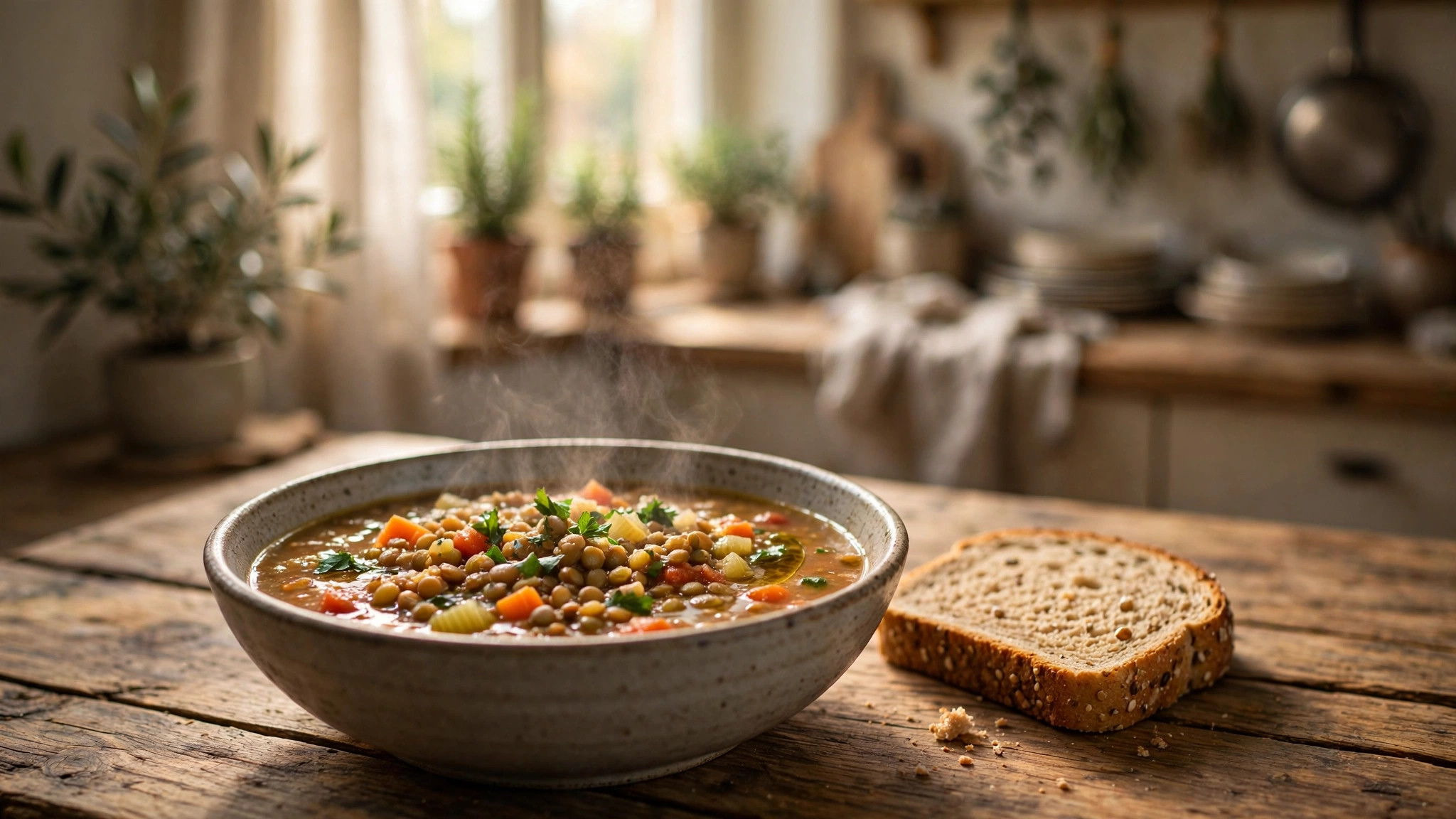
This is essentially the Mediterranean-style pattern, and it overlaps with general healthy eating — which means you don’t need a separate “arthritis diet” and a “healthy diet.” One good pattern serves both.
For more on the broader picture of joint pain in this stage of life — causes, everyday relief measures, and red flags — see our guide to joint pain after 50.
When to see a doctor
Diet supports joint health, but it cannot diagnose or treat arthritis. See a clinician if you notice:
- Joint pain, swelling, or stiffness that persists for more than a few weeks
- Stiffness lasting more than 30 minutes in the morning, or joints that are red and warm (possible signs of inflammatory arthritis)
- Pain that limits daily activities — climbing stairs, opening jars, walking comfortably
- Sudden, severe joint pain or swelling in one joint (could be gout or an infection)
- You take regular medication and want to make major dietary or supplement changes — interactions matter
Rheumatoid arthritis and gout respond best when treated early, so don’t delay seeking help hoping diet alone will fix it.
The bottom line
No food cures arthritis — anyone who tells you otherwise is selling something. But the research does point somewhere real: a Mediterranean-style eating pattern, regular oily fish, plenty of colorful fruit and vegetables, and whole grains are linked to less pain and better function, largely by lowering inflammation and supporting healthy weight. Be skeptical of hyped single-food claims, eat mostly real food, and treat diet as a strong supporting player alongside proper medical care.
Sources
- Arthritis Foundation, “Best Vegetables for Arthritis” — https://www.arthritis.org/health-wellness/healthy-living/nutrition/healthy-eating/best-vegetables-for-arthritis
- Arthritis Foundation, “Best Fruits for Arthritis” — https://www.arthritis.org/health-wellness/healthy-living/nutrition/healthy-eating/best-fruits-for-arthritis
- Mayo Clinic, “Mediterranean diet for heart health” (overlapping anti-inflammatory dietary guidance) — https://www.mayoclinic.org/healthy-lifestyle/nutrition-and-healthy-eating/in-depth/mediterranean-diet/art-20047801
- NHS, “Arthritis” (symptoms, diagnosis, and when to seek care) — https://www.nhs.uk/conditions/arthritis/
- Cleveland Clinic, “Mediterranean Diet” (evidence review and practical guidance) — https://my.clevelandclinic.org/health/articles/16037-mediterranean-diet
- Harvard T.H. Chan School of Public Health, The Nutrition Source, “Omega-3 Fatty Acids” — https://nutritionsource.hsph.harvard.edu/what-should-you-eat/fats-and-cholesterol/types-of-fat/omega-3-fats/
This article is for general information only and is not medical advice. Talk to your doctor or a qualified health professional about your personal situation.