
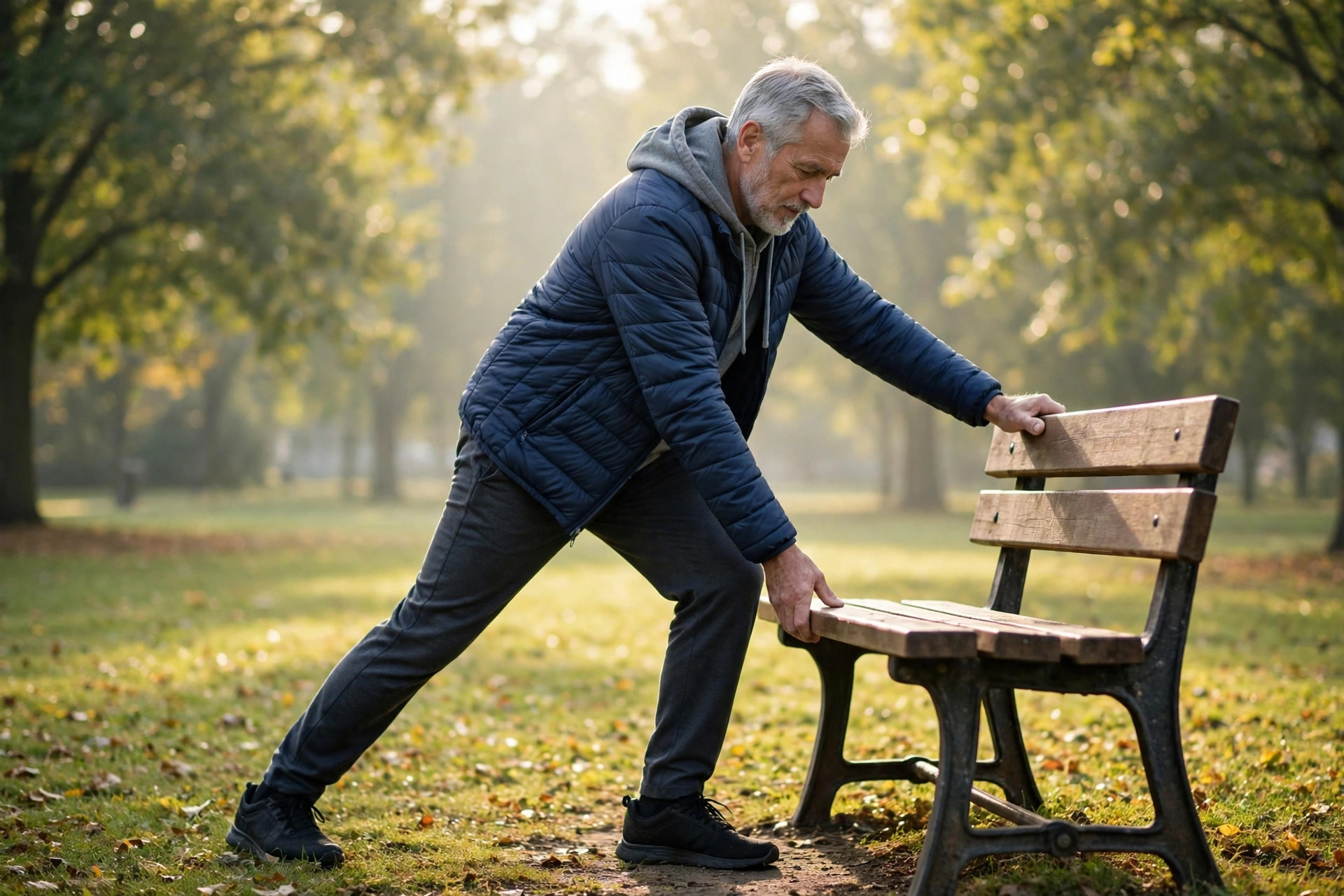
Joint Pain After 50: Causes, Relief, and When to See a Doctor
By James Carter, health writer & editor
If your knees complain on the stairs, your hips ache after a long walk, or your hands feel stiff when you open a jar, you are not alone. Joint pain after 50 is one of the most common reasons adults slow down — and one of the most misunderstood.
Here is the reassuring truth: aching joints are common after 50, but they are not simply “your fate.” Many causes are manageable. The right mix of movement, daily habits, and timely medical care may help you stay active and comfortable for years.
This guide explains why joints hurt more with age, what is likely behind pain in the knees, hips, hands, and shoulders, and which strategies are supported by evidence. It also covers supplements honestly and lists the warning signs that mean you should see a doctor promptly.
Why joints hurt more after 50
A joint is where two bones meet, cushioned by cartilage and lubricated by joint fluid. Muscles, tendons, and ligaments hold everything in place and absorb shock. After 50, several slow changes can make this system less forgiving.
Cartilage gradually wears. Cartilage is the smooth tissue covering the ends of bones. Over decades of use, it can thin and roughen. When cartilage wears down enough, the joint moves less smoothly. This process is linked to osteoarthritis, the most common form of arthritis in older adults.
Osteoarthritis is common — and manageable. Osteoarthritis happens when cartilage breaks down and the joint tries to repair itself, sometimes forming bony growths called bone spurs. It often affects the knees, hips, hands, and spine. Evidence suggests it is driven by a mix of age, genetics, past injuries, and excess body weight — not by “overusing” your joints through normal activity. Importantly, X-ray changes do not always match pain levels. Some people have worn cartilage with little pain, while others hurt despite mild changes on scans.
Joint fluid and tissues change. The fluid that lubricates joints may become less effective with age. Tendons can lose some elasticity. Ligaments may stiffen. These changes are usually gradual, but they can make joints feel creaky, especially after rest.
Muscles get smaller without use. Adults naturally lose some muscle mass with age, a process that speeds up if we sit most of the day. Weaker muscles around a joint mean the joint itself absorbs more force. The good news: strength can be rebuilt at any age, and stronger muscles are linked to less joint pain.
Old injuries resurface. A knee injured playing sports at 30 may ache at 55. Past sprains, fractures, or surgeries change how a joint moves and raise the risk of later arthritis in that joint.
Weight adds up — literally. Extra body weight increases the load on weight-bearing joints. Research suggests that each additional kilogram of body weight adds several kilograms of force across the knee with every step. Over thousands of steps a day, that matters.
Recovery slows. Small strains that once healed in days may take weeks after 50. This does not mean you should avoid activity. It means you should build up gradually and respect recovery time.
None of this means pain is inevitable. Plenty of people in their 60s, 70s, and beyond stay active with healthy joints. The goal of this guide is to help you understand your pain, protect your joints, and know when to get help.
Common causes by joint
Joint pain after 50 has many possible causes, and the pattern often points to the likely one. Below are the most common culprits by joint. Only a clinician who examines you can make a diagnosis, but knowing the possibilities helps you ask better questions.
Knees
The knee is the joint people complain about most after 50, and for good reason: it carries your full body weight with every step.
- Knee osteoarthritis. The classic pattern is aching that worsens with activity and eases with rest, plus stiffness after sitting. You may hear grinding or clicking. Swelling can come and go.
- Degenerative meniscus tears. The meniscus is a rubbery pad inside the knee. With age, it can tear with little or no injury — sometimes just from twisting while standing up. Symptoms include pain along the joint line, catching, or a feeling that the knee “gives way.”
- Patellofemoral pain. A dull ache around or behind the kneecap, often worse on stairs, after squatting, or after sitting with bent knees (the “movie theater” ache). Weak thigh muscles are often part of the picture.
- Bursitis. Small fluid-filled sacs cushion the knee. They can become inflamed from kneeling, overuse, or a knock. Prepatellar bursitis causes swelling in front of the kneecap.
- Tendinitis. The patellar tendon below the kneecap can become painful from repeated loading, such as frequent stair climbing.
Hips
Hip pain is tricky because it does not always feel like it comes from the hip.
- Hip osteoarthritis. This usually causes pain deep in the groin or the front of the thigh, sometimes spreading to the knee. Stiffness after rest is typical, and the hip may feel hard to rotate — for example, when putting on socks.
- Greater trochanteric bursitis. Pain on the outer side of the hip or thigh, often worse when lying on that side at night or after walking. It is common in adults over 50, especially women.
- Labral tears. The labrum is a ring of cartilage around the hip socket. It can fray with age or after minor trauma, causing groin pain, clicking, or a catching sensation.
- Referred pain. Sometimes what feels like hip pain actually comes from the lower back. If your pain changes with back movement or shoots down the leg, mention this to your doctor.
Hands
Hand pain after 50 can be frustrating because it affects so many daily tasks: opening jars, buttoning shirts, typing, gardening.
- Hand osteoarthritis. The most common form affects the finger joints nearest the fingertips and the base of the thumb. Bony bumps may appear on the fingers. Thumb-base arthritis makes pinching and gripping painful.
- Rheumatoid arthritis. Unlike osteoarthritis, this is an autoimmune condition. It often affects the same joints on both sides, especially the knuckles and wrists, and morning stiffness may last an hour or more. It can start at any age but often appears in middle age. If your hand pain is symmetrical and stiff for a long time each morning, see a doctor.
- Trigger finger. A finger may catch or lock when you bend it, then snap straight. It is linked to inflammation of the tendon sheath and is more common after 50, especially in people with diabetes.
Shoulders
Shoulder pain often appears gradually and can limit simple things like reaching overhead or fastening a seatbelt.
- Rotator cuff problems. The rotator cuff is a group of tendons that lift and rotate the arm. Tendons can become irritated (tendinopathy) or tear, sometimes with no major injury. Pain often worsens at night or when lifting the arm.
- Frozen shoulder (adhesive capsulitis). The shoulder capsule thickens and tightens, causing pain and a major loss of movement in all directions. It is most common between ages 40 and 60 and is linked to diabetes and thyroid conditions. It usually improves slowly over months, often with physical therapy.
- Shoulder osteoarthritis. Less common than knee or hip arthritis, but it can cause deep aching and stiffness, especially in people with past shoulder injuries.
- Bursitis. The bursa under the top of the shoulder can become inflamed, causing pain when raising the arm.
Other possible causes worth knowing
- Gout. A sudden, intensely painful, red, hot joint — often the big toe, but also the ankle, knee, or hand. Gout is caused by uric acid crystals and is treatable. It can first appear after 50.
- Polymyalgia rheumatica. An inflammatory condition, usually after age 50, causing aching and morning stiffness in the shoulders, neck, and hips. It often responds well to medical treatment, so it is worth recognizing.
- Infection. A single hot, swollen, very painful joint with fever needs urgent care (more on this below).
Because several conditions can look alike, self-diagnosis has limits. The pattern of your pain is useful information — but the diagnosis belongs to a qualified clinician.
What helps: the strategies with the best evidence
There is no single fix for joint pain after 50. But a combination of proven habits may help you move more comfortably and protect your joints over time. Think of it as a toolkit, not a prescription.
Keep moving — the right kind of movement
It sounds backward, but rest is rarely the answer for achy joints. Evidence suggests that regular, gentle activity is one of the most effective tools for osteoarthritis pain. Movement lubricates joints, strengthens supporting muscles, and lifts mood — which itself is linked to how we experience pain.
Choose low-impact activities. Walking, swimming, water aerobics, cycling, and tai chi are kind to joints while building fitness. Water-based exercise is especially helpful when land-based movement hurts, because buoyancy unloads the joints.
Strengthen the muscles around painful joints. For knees, stronger quadriceps and glutes are linked to less pain and better function. For hips, glute and core strength matter. For shoulders, gentle rotator cuff and shoulder-blade exercises may help. You do not need a gym: bodyweight exercises and resistance bands work well.
Keep joints mobile. Gentle range-of-motion exercises — slowly moving each joint through its comfortable range — may ease stiffness. This is a good morning routine, especially if you wake up stiff.
Start low and go slow. A common mistake is doing too much on a good day and paying for it for a week. Begin with short sessions, such as 10-minute walks, and add a little each week. Mild muscle soreness or slight joint aching that settles within a day is usually fine. Sharp, worsening, or lingering pain is a signal to scale back and, if it persists, to get advice.
Break up sitting. Long hours in a chair stiffen joints. Stand, stretch, or take a short walk every 30 to 60 minutes when you can.
If you are unsure where to start, a physical therapist can design a safe program for your specific joints — more on that below. For knee-specific ideas, see our guide “7 Low-Impact Exercises for Bad Knees.”

Watch your weight — even small changes count
Excess weight is one of the strongest modifiable risk factors for knee osteoarthritis pain. The relationship is mechanical: less load means less stress on cartilage and supporting tissues. Evidence suggests that even modest weight loss may ease knee pain and improve function.
You do not need a dramatic transformation. A steady loss of 5 to 10 percent of body weight, achieved through balanced eating and regular activity, is a realistic target for many people — and it may make a noticeable difference to weight-bearing joints.
Avoid crash diets, which are hard to sustain and can cost you muscle. Focus on regular meals built around vegetables, fruit, whole grains, lean protein, and healthy fats. If weight is a struggle, ask your doctor for a referral to a dietitian rather than going it alone.
Heat vs. cold: use both wisely
Heat and cold are simple, low-cost tools. Neither treats the underlying cause, but both may ease symptoms.
- Heat for stiffness. A warm shower, heating pad, or warm towel for 15 to 20 minutes may loosen stiff joints, especially in the morning. Heat is often the better choice for chronic aching without swelling.
- Cold for flare-ups. An ice pack or bag of frozen peas wrapped in a thin towel, applied for 15 to 20 minutes, may calm a hot, swollen, or recently aggravated joint.
- Protect your skin. Never place ice or a heating pad directly on bare skin, and check the skin during use. People with circulation problems or reduced sensation should be extra careful and ask a clinician first.
Some people prefer one over the other. That is fine — use what gives you comfort, and stop if it increases pain.

Over-the-counter options: what to know before you buy
Drugstore shelves offer many products for joint pain. Some may help; all deserve a careful look, especially after 50, when other health conditions and medications enter the picture.
Topical treatments are often a good first step for localized pain. Creams, gels, and patches containing anti-inflammatory ingredients may ease pain in a single joint, such as a knee or hand, with less absorption into the rest of the body than pills. Evidence suggests topical anti-inflammatories can be effective for hand and knee osteoarthritis. Follow the label directions.
Oral pain relievers need more caution. Common options include acetaminophen (paracetamol) and oral anti-inflammatory drugs such as ibuprofen or naproxen. These may reduce pain for some people, but they are not risk-free:
- Anti-inflammatory pills can irritate the stomach, raise blood pressure, affect the kidneys, and increase cardiovascular risk — concerns that grow with age and with conditions like heart disease or kidney problems.
- Acetaminophen is gentler on the stomach but can harm the liver at high doses, especially combined with alcohol or in liver disease.
- Both types can interact with common prescriptions, including blood thinners and blood pressure drugs.
Talk to a pharmacist or doctor first. This is the single most important advice in this section. A pharmacist can check interactions with your current medications and suggest safer choices. Use the lowest effective amount for the shortest time needed, and never combine products without professional advice. This article cannot recommend specific products or doses — your situation is individual.
Physical therapy: expert guidance for your joints
A physical therapist does more than hand you a sheet of exercises. A good therapist will assess how you move, identify weak or tight areas, and build a program around your goals — whether that is climbing stairs, gardening, or playing with grandchildren.
Physical therapy may include:
- A tailored strengthening and flexibility program
- Gait and balance training, which may reduce fall risk
- Hands-on techniques to improve joint mobility
- Advice on pacing activity and modifying movements that aggravate pain
Evidence suggests exercise programs supervised by a professional are linked to better outcomes than going it alone, especially at the start. Consider physical therapy if pain limits your daily life, if you are unsure which exercises are safe, or if you are recovering from an injury. In many places you can book directly; otherwise, ask your doctor for a referral.
Assistive devices and joint-friendly changes
Using a tool is not “giving in.” It is smart joint protection that may keep you active longer.
- Walking aids. A cane used in the hand opposite the painful leg may reduce load on an arthritic hip or knee. Walking poles can help with balance and spread effort across the upper body on walks.
- Braces and sleeves. A simple knee sleeve or brace may help some people feel more stable, though evidence on pain reduction is mixed. If you try one, make sure it fits well and does not cause numbness or increased pain.
- Everyday helpers. Jar openers, ergonomic kitchen tools, long-handled shoehorns, and raised toilet seats reduce strain on hands, hips, and knees. Small changes add up.
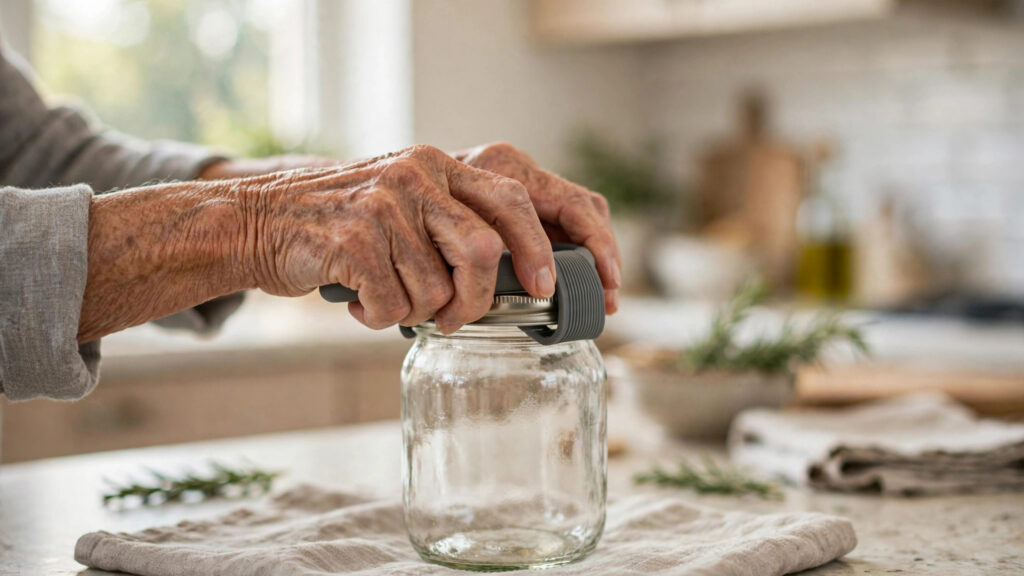
- Supportive footwear. Worn-out shoes change how force travels through your legs. Comfortable, supportive shoes with cushioning may ease knee and hip symptoms. Some people benefit from insoles or orthotics — a podiatrist or physical therapist can advise.
- Home setup. Keep frequently used items at waist height to avoid deep bending or overhead reaching. A shower chair or grab bars may help if standing is difficult.

What does the evidence say about glucosamine and chondroitin?
Few topics in joint care generate more questions — and more marketing — than glucosamine and chondroitin. Here is an honest summary.
The evidence is mixed. Some clinical trials suggest these supplements may slightly ease osteoarthritis pain for some people, particularly glucosamine sulfate formulations. Other well-designed trials find little or no benefit beyond placebo. Major guidelines differ: some do not recommend them, while others say they may be tried given their generally mild side-effect profile. In short, they may help some individuals modestly, but they are not proven joint rebuilders, and results vary widely.
Quality varies. Supplements are less tightly regulated than medicines in many countries. Products may contain different amounts than the label states. If you try one, choose a reputable brand and give it a fair trial of a few months — while keeping up the proven strategies above.
Check safety first. Glucosamine is often derived from shellfish, so people with shellfish allergies should be cautious. There are potential interactions with blood thinners such as warfarin. People with diabetes should monitor blood sugar, as effects are uncertain. Always tell your doctor or pharmacist before starting a supplement, especially if you take prescription medicines.
Keep perspective. No supplement replaces movement, weight management, and proper medical care. Be skeptical of any product promising dramatic results — joint cartilage does not regrow because of a pill, and bold claims are a red flag for marketing over science.
Red flags: symptoms that need prompt attention
Most joint pain after 50 develops gradually and can be managed step by step. But certain symptoms are warning signs. Seek prompt medical care if you notice:
- Sudden, severe joint pain with no clear cause
- A joint that is markedly swollen, red, or hot to the touch
- A joint that looks deformed or out of place
- Fever along with joint pain or swelling
- Pain after a fall or injury, especially if you cannot bear weight
- Pain so severe that you cannot move the joint at all
- Signs of infection after a joint injection or surgery, such as increasing redness, warmth, or fever
These can signal infection, fracture, gout flare, or other conditions that need urgent treatment. When in doubt, get checked the same day.
When to see a doctor
Beyond emergencies, there are many good reasons to book a routine appointment about joint pain. You do not need to “tough it out” until you can barely walk. Earlier assessment often means simpler treatment. See a doctor if:
Pain came on suddenly and is severe. Sudden severe pain in a previously fine joint deserves evaluation. It may be gout, an infection, a fracture, or a torn tendon or ligament. Do not wait weeks to see if it passes.
The joint is swollen, red, or warm. These are signs of active inflammation. While osteoarthritis can cause mild swelling, pronounced redness and heat point toward other causes — such as gout, rheumatoid arthritis, or infection — that need specific treatment. A hot, swollen joint with fever is urgent.
The joint looks deformed. A visible change in shape, or a joint that seems misaligned after an injury, may indicate a fracture, dislocation, or advanced arthritis. This needs imaging and professional assessment.
You have fever with joint pain. Fever suggests the body is fighting something beyond simple wear and tear — possibly a joint infection or a systemic inflammatory condition. Joint infections can damage cartilage quickly, so this combination should be evaluated promptly.
Pain followed an injury. If you fell, twisted a joint, or heard a pop and now cannot bear weight, move the joint normally, or the pain is worsening after a day or two, get it checked. Some injuries, such as fractures or ligament tears, heal poorly without proper care.
Pain limits your daily life. This is the most common — and most valid — reason to seek help. If joint pain regularly interferes with walking, stairs, sleep, work, or activities you enjoy, a doctor can discuss the full range of options: stronger physiotherapy plans, injections for selected cases, walking aids, or referral to a specialist. You deserve care before pain takes over your routine.
Stiffness lasts a long time each morning. Morning stiffness under 30 minutes often fits osteoarthritis. Stiffness lasting an hour or more, especially in the hands and wrists, may suggest rheumatoid arthritis or polymyalgia rheumatica — conditions where early treatment makes a real difference.
You notice numbness, weakness, or giving way. Numbness or weakness in a limb, or a knee that repeatedly buckles, can signal nerve involvement or joint instability. These symptoms warrant assessment, partly because they raise fall risk.
Pain is not improving with self-care. If several weeks of sensible measures — gentle exercise, heat or cold, weight management, and pharmacist-advised over-the-counter options — have not helped, it is time for a professional evaluation rather than continuing on your own.
You need pain medication regularly. Relying on pain relievers most days is a sign to review the plan with a doctor. Long-term use carries risks, and there may be safer or more effective strategies available.
What to expect at the appointment. The doctor will ask when the pain started, what makes it better or worse, and how it affects your life. They will examine the joint and may order X-rays, blood tests, or a referral to a rheumatologist or orthopedic specialist. Bring a list of your medications and supplements, and note which joints hurt and when. Clear information leads to better care.
A simple two-week starter plan
Overwhelmed? Start here. Small, steady steps beat an ambitious plan you abandon.
Week 1: – Take a 10-minute walk on most days, on flat ground, in supportive shoes. – Do 5 minutes of gentle range-of-motion exercises for your stiffest joint each morning. – Try heat for morning stiffness or cold for an achy flare-up. – Break up long sitting with a short stand-and-stretch every hour.
Week 2: – Add gentle strengthening: for example, seated leg lifts or wall push-ups, 2 to 3 times during the week. – Review your shoes; replace them if the soles are worn unevenly. – Talk to a pharmacist about over-the-counter options if pain persists. – Book a doctor’s appointment if any red flags apply — or if pain is limiting your life.
Track what you do and how your joints feel. Patterns will emerge, and you will have useful notes for your next medical visit.
Sources
- National Institute of Arthritis and Musculoskeletal and Skin Diseases (NIAMS) — https://www.niams.nih.gov
- Arthritis Foundation — https://www.arthritis.org
- Mayo Clinic — https://www.mayoclinic.org
- NHS — https://www.nhs.uk
- Centers for Disease Control and Prevention (CDC) — https://www.cdc.gov
- Cleveland Clinic — https://my.clevelandclinic.org
This article is for general information only and is not medical advice. Talk to your doctor or a qualified health professional about your joint pain.