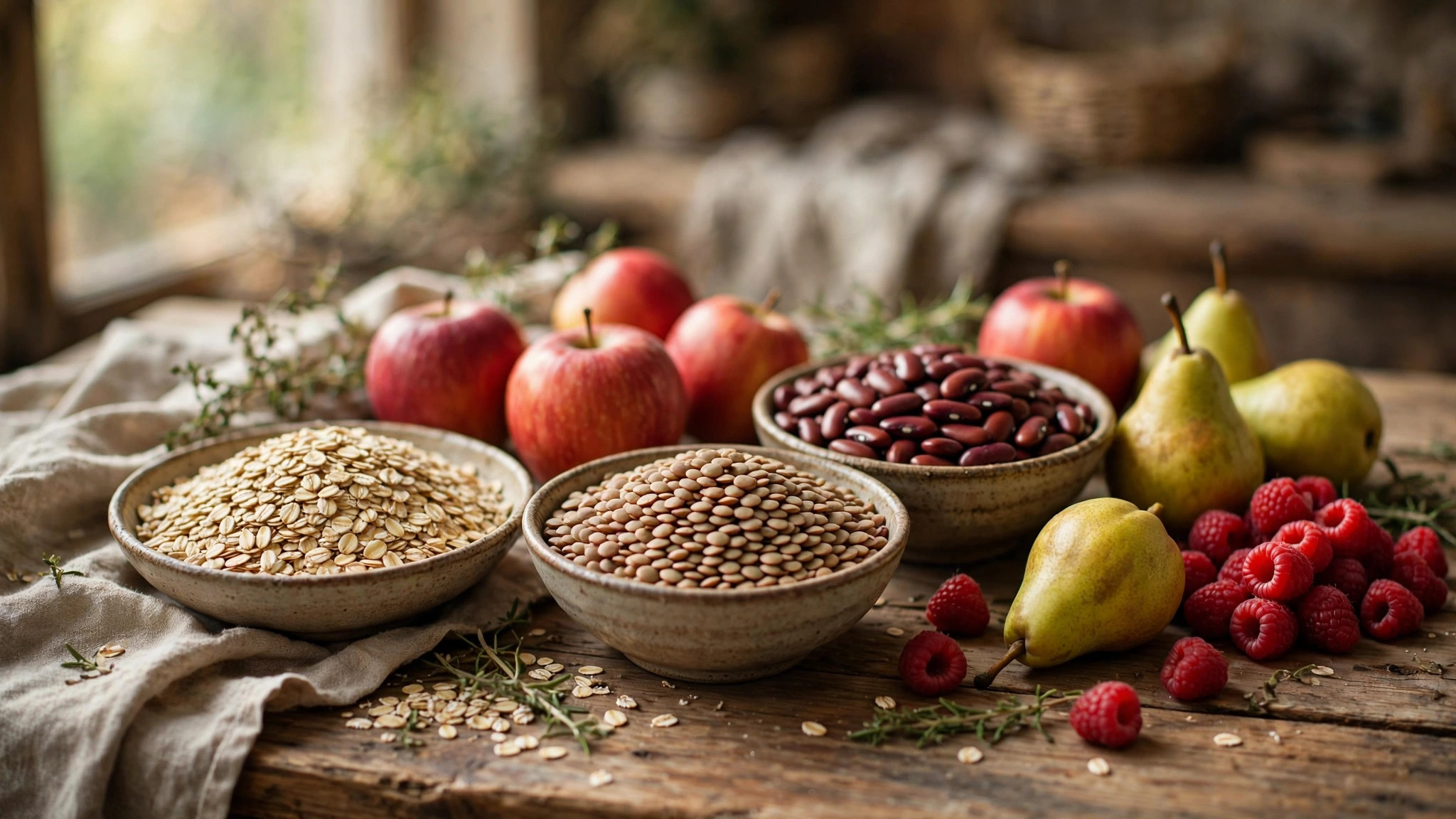
High-Fiber Foods That Actually Lower Cholesterol
If your doctor has mentioned your cholesterol at your last checkup, you are not alone. Many adults over 45 hear that their LDL cholesterol is a bit high — and wonder what they can actually do about it through food.
One of the most well-supported answers is fiber. Not all fiber works the same way, though. This guide explains which type of fiber may help lower LDL cholesterol, lists ten practical high-fiber foods, and shows how to add more fiber to your day without turning your meals upside down.
Soluble vs. Insoluble Fiber: What Matters for Cholesterol
Fiber comes in two main types:
- Soluble fiber dissolves in water and forms a gel-like substance in your digestive tract. This gel can bind to some cholesterol and bile acids and carry them out of the body. Evidence suggests this may help lower LDL (“bad”) cholesterol.
- Insoluble fiber does not dissolve in water. It adds bulk to stool and supports healthy digestion, but it is not the type linked to cholesterol-lowering effects.
Both types are good for you. For cholesterol specifically, soluble fiber is the one to focus on.
10 High-Fiber Foods That May Help Lower Cholesterol
1. Oats
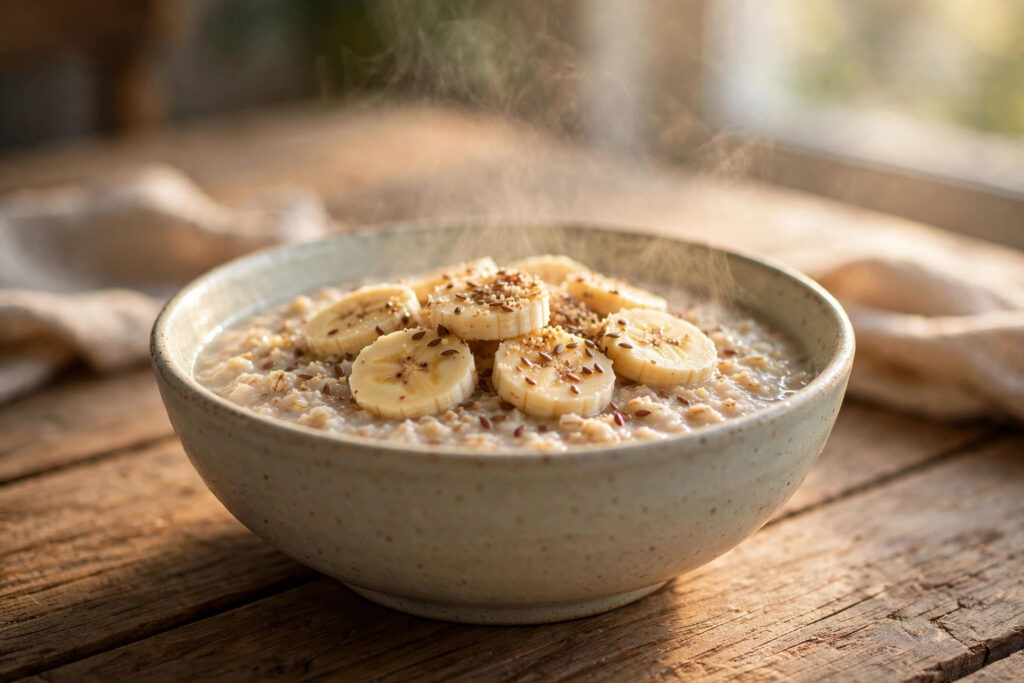
Oats are rich in a soluble fiber called beta-glucan, which is one of the best-studied fibers for cholesterol. A 40g serving of rolled oats provides about 4g of fiber.
Serving tip: Start your day with porridge topped with sliced banana and a spoonful of ground flaxseed. If mornings are rushed, overnight oats work just as well.
2. Barley
Like oats, barley contains beta-glucan. A cooked 200g serving of pearl barley provides roughly 6g of fiber.
Serving tip: Use barley in soups, stews, or grain salads instead of rice a few times a week.
3. Beans (Kidney, Black, Pinto)
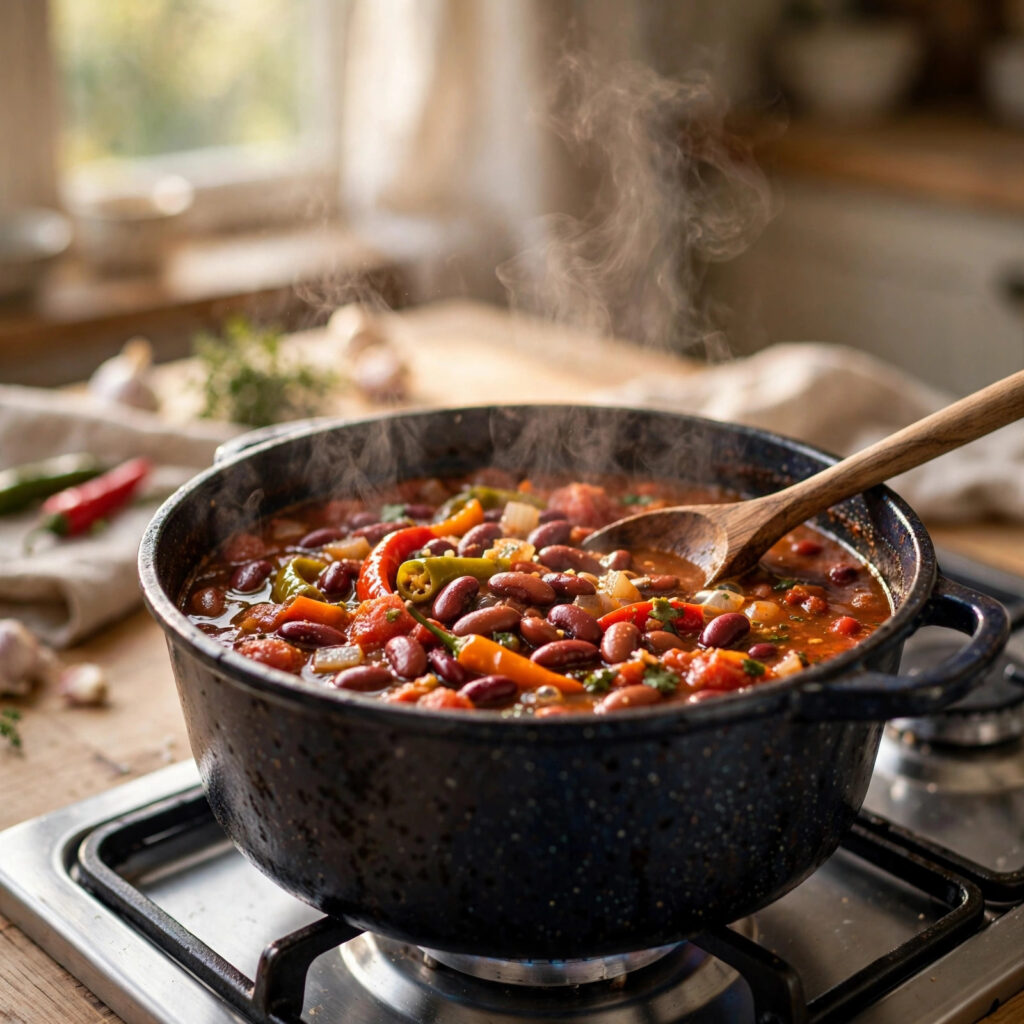
Beans are one of the best sources of soluble fiber. A 175g serving of cooked kidney beans provides about 13g of fiber.
Serving tip: Add half a tin of rinsed beans to salads, chilli, or soups. If beans cause bloating, start with small amounts and increase gradually.
4. Lentils
A 200g serving of cooked lentils provides around 8g of fiber. They cook quickly and do not need soaking.
Serving tip: Stir red lentils into soup — they dissolve into a creamy texture. Green or brown lentils hold their shape and work well in salads.

5. Apples
A medium apple with the skin provides about 4.5g of fiber, much of it pectin, a soluble fiber.
Serving tip: Keep apples visible on the counter so they become the default snack. Leave the skin on — that is where much of the fiber sits.
6. Pears
A medium pear provides about 5.5g of fiber, slightly more than an apple.
Serving tip: Slice a pear onto wholegrain toast with peanut butter for a fiber-rich afternoon snack.
7. Berries (Raspberries, Blackberries)
Raspberries are fiber champions: 125g of raspberries provides about 8g of fiber.
Serving tip: Top your breakfast bowl or yogurt with a handful of berries. Frozen berries are just as nutritious and often cheaper.

8. Almonds and Walnuts
Nuts provide a mix of fiber, healthy fats, and plant sterols. A 30g handful of almonds provides about 3.5g of fiber.
Serving tip: Keep a small portion handy for snacks. Stick to unsalted nuts and watch portions — a small handful is enough.
9. Flaxseeds and Chia Seeds
These tiny seeds are rich in soluble fiber. One tablespoon of ground flaxseed provides about 3g of fiber; one tablespoon of chia provides about 5g.
Serving tip: Sprinkle ground flaxseed over cereal or blend it into smoothies. Chia seeds absorb liquid — try chia pudding with milk and fruit for breakfast.
10. Brussels Sprouts and Other Vegetables
A 150g serving of cooked Brussels sprouts provides about 4g of fiber. Broccoli, carrots, and sweet potatoes are also good choices.
Serving tip: Roast Brussels sprouts with a drizzle of olive oil until crispy — roasting makes them appealing even to skeptics.
How Much Fiber Should You Aim For?
General guidance suggests:
- United States: about 22–28g of fiber per day for adults over 50 (roughly 21g for women and 30g for men, per national dietary guidance).
- United Kingdom: about 30g of fiber per day for adults.
Most adults get far less — often around half of these amounts.
How to Add Fiber Gradually
Jumping from low fiber to high fiber overnight often causes bloating and discomfort. A gentler approach works better:
- Add one high-fiber food at a time. For example, start with porridge at breakfast for a week before adding beans at lunch.
- Drink more water. Fiber absorbs water, so increasing fiber without increasing fluids can make you feel sluggish.
- Swap, don’t overhaul. Use wholegrain bread instead of white, add lentils to soup instead of making a new recipe.
- Read labels. When buying bread, cereal, or pasta, compare fiber per serving — higher is usually better.
Small, steady changes tend to stick. Adding even 5–10g of fiber a day is a meaningful step.
When to See a Doctor
Diet is a helpful part of managing cholesterol, but it is not the whole picture. Talk to your doctor if:
- You have been told your cholesterol is high or borderline high.
- You take cholesterol-lowering medication and want to change your diet — discuss changes before making major shifts.
- You have chest pain, shortness of breath, or unexplained fatigue — seek medical attention promptly.
- You experience persistent digestive problems after changing your diet.
Your doctor can order a blood test to check your cholesterol levels and advise whether lifestyle changes, medication, or both are appropriate for you.
The Bottom Line
Soluble fiber may help lower LDL cholesterol by binding to cholesterol in the digestive tract. Oats, beans, lentils, apples, pears, berries, nuts, seeds, and vegetables are practical, everyday sources. Aim to build fiber up gradually, drink plenty of water, and keep your doctor in the loop. No single food is a magic fix — but a fiber-rich eating pattern is linked to better heart health over time.
Sources
- National Institutes of Health (NIH) — MedlinePlus: Dietary Fiber: https://medlineplus.gov/dietaryfiber.html
- Centers for Disease Control and Prevention (CDC) — Heart Disease Facts: https://www.cdc.gov/heart-disease/about/
- Mayo Clinic — High-Fiber Foods: https://www.mayoclinic.org/healthy-lifestyle/nutrition-and-healthy-eating/in-depth/high-fiber-foods/art-20050948
- NHS — How to Get More Fibre Into Your Diet: https://www.nhs.uk/live-well/eat-well/digestive-health/how-to-get-more-fibre-into-your-diet/
- Harvard Health Publishing — 11 Foods That Lower Cholesterol: https://www.health.harvard.edu/heart-health/11-foods-that-lower-cholesterol
This article is for general information only and is not medical advice. Talk to your doctor or a registered dietitian about your personal nutrition needs.