10 Anti-Inflammatory Breakfast Ideas for Adults Over 50
Starting the day with the right food can set the tone for everything that follows. For adults over 50, breakfast is more than just a habit — it is an opportunity to get fiber, protein, healthy fats, and vitamins that support joints, heart health, and steady energy.
One eating pattern that keeps coming up in nutrition research is an anti-inflammatory way of eating. It is not a diet with strict rules. It is a way of choosing foods that are linked to lower levels of inflammation in the body. And breakfast, the first meal of the day, is an ideal place to begin.
Below, you will find ten breakfast ideas that fit this style of eating. Each one is simple, practical, and built around ingredients you can find in a regular grocery store.
What does “anti-inflammatory eating” actually mean?
Inflammation is your body’s normal response to injury or infection. Short-term inflammation helps you heal. But long-term, low-level inflammation — sometimes called chronic inflammation — is linked to a higher risk of heart disease, type 2 diabetes, and joint problems.
Certain foods are associated with lower markers of inflammation. These include fruits, vegetables, whole grains, nuts, seeds, olive oil, beans, and fatty fish. On the other hand, foods high in added sugars, refined grains, and processed meats are linked to higher inflammation levels.
Eating in an anti-inflammatory way simply means building your plate around the first group more often. Evidence suggests this pattern may help support heart health, joint comfort, and healthy aging. It is not a treatment for any disease — but it is a sensible, enjoyable way to eat.
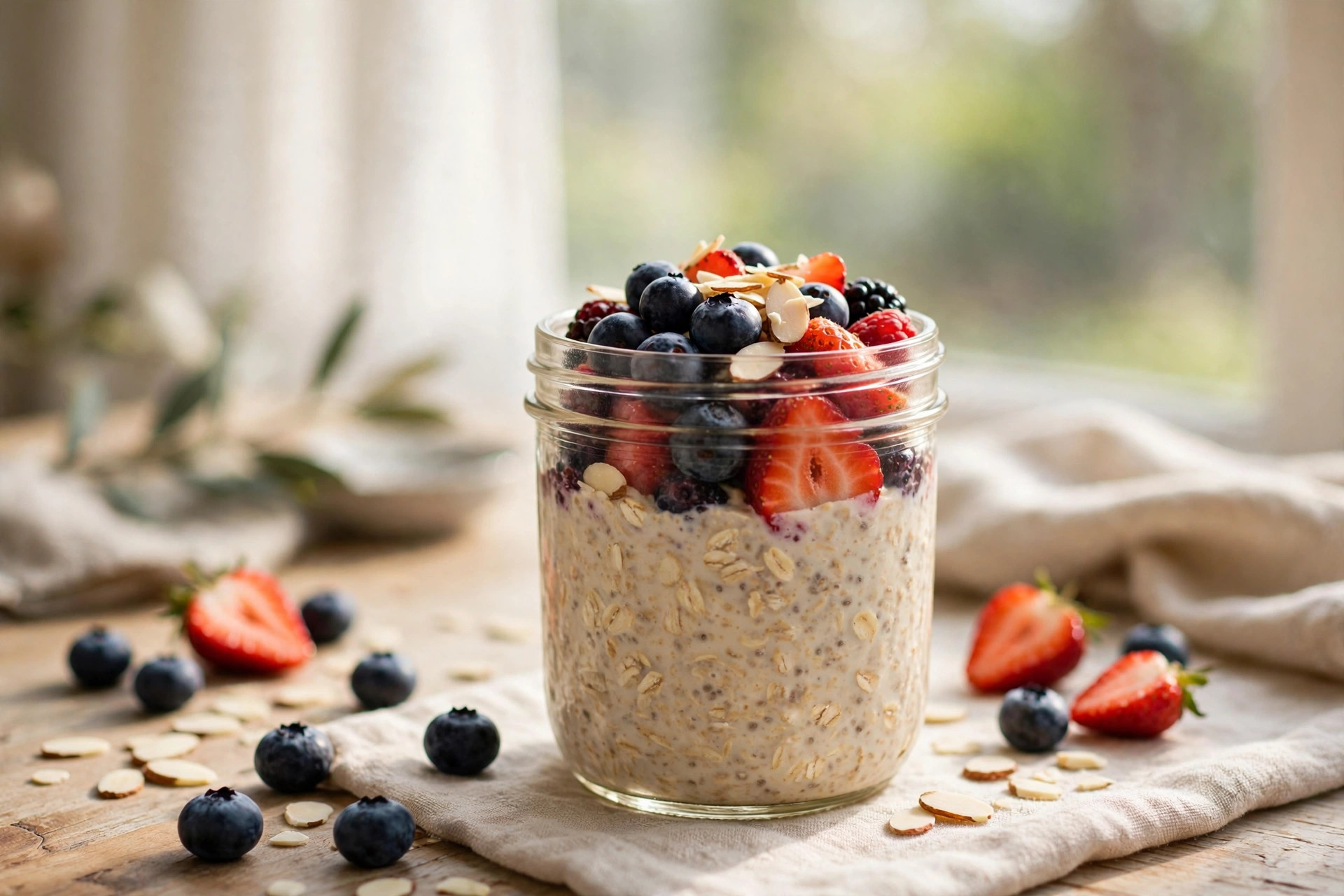
1. Berry Overnight Oats
What it is: Rolled oats soaked overnight in milk (dairy or soy) with a handful of mixed berries, a spoonful of ground flaxseed, and a pinch of cinnamon.
Why it helps: Oats are rich in soluble fiber, which is linked to healthier cholesterol levels. Berries are packed with antioxidants, and flaxseed provides plant-based omega-3 fats. Cinnamon adds flavor without sugar.
Quick prep tip: Mix everything in a jar before bed. In the morning, it is ready to eat cold — or warm it up if you prefer. Make three or four jars at once for the week.
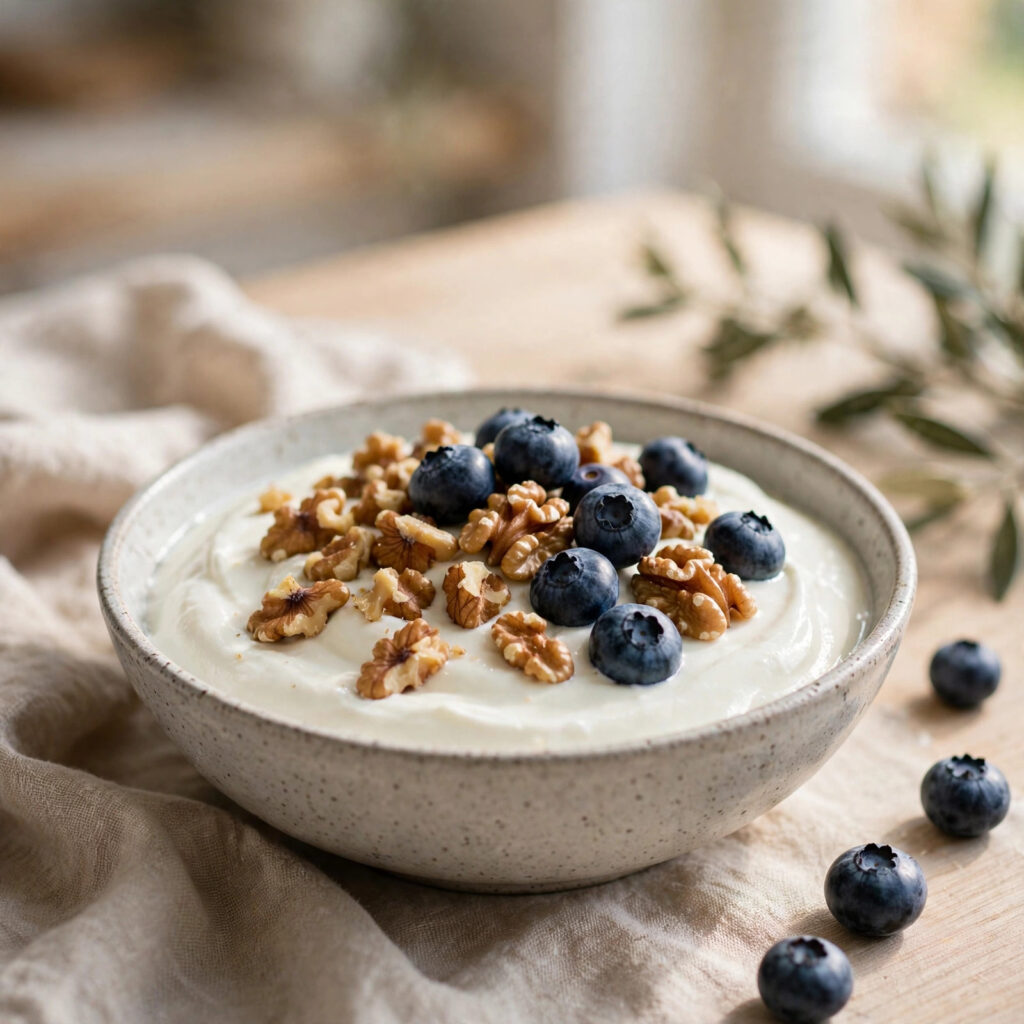
2. Greek Yogurt With Walnuts and Blueberries
What it is: Plain Greek yogurt topped with a small handful of walnuts and fresh or frozen blueberries.
Why it helps: Greek yogurt delivers protein, which helps maintain muscle as we age. Walnuts are a good source of omega-3 fats, and blueberries are among the most antioxidant-rich fruits you can buy.
Quick prep tip: Choose plain yogurt and skip the sweetened kind — you can drizzle a little honey if you need it. Pre-portion walnuts into small containers so you grab the right amount.
3. Veggie Scramble With Olive Oil
What it is: Two or three eggs scrambled in olive oil with spinach, tomatoes, mushrooms, and a sprinkle of turmeric.
Why it helps: Eggs provide quality protein and vitamin D. Leafy greens and colorful vegetables add vitamins and fiber. Cooking with olive oil instead of butter adds heart-friendly monounsaturated fats, and turmeric contains curcumin, a compound studied for its anti-inflammatory properties.
Quick prep tip: Chop vegetables the night before so the morning takes five minutes. Pair with a slice of whole-grain toast for extra fiber.

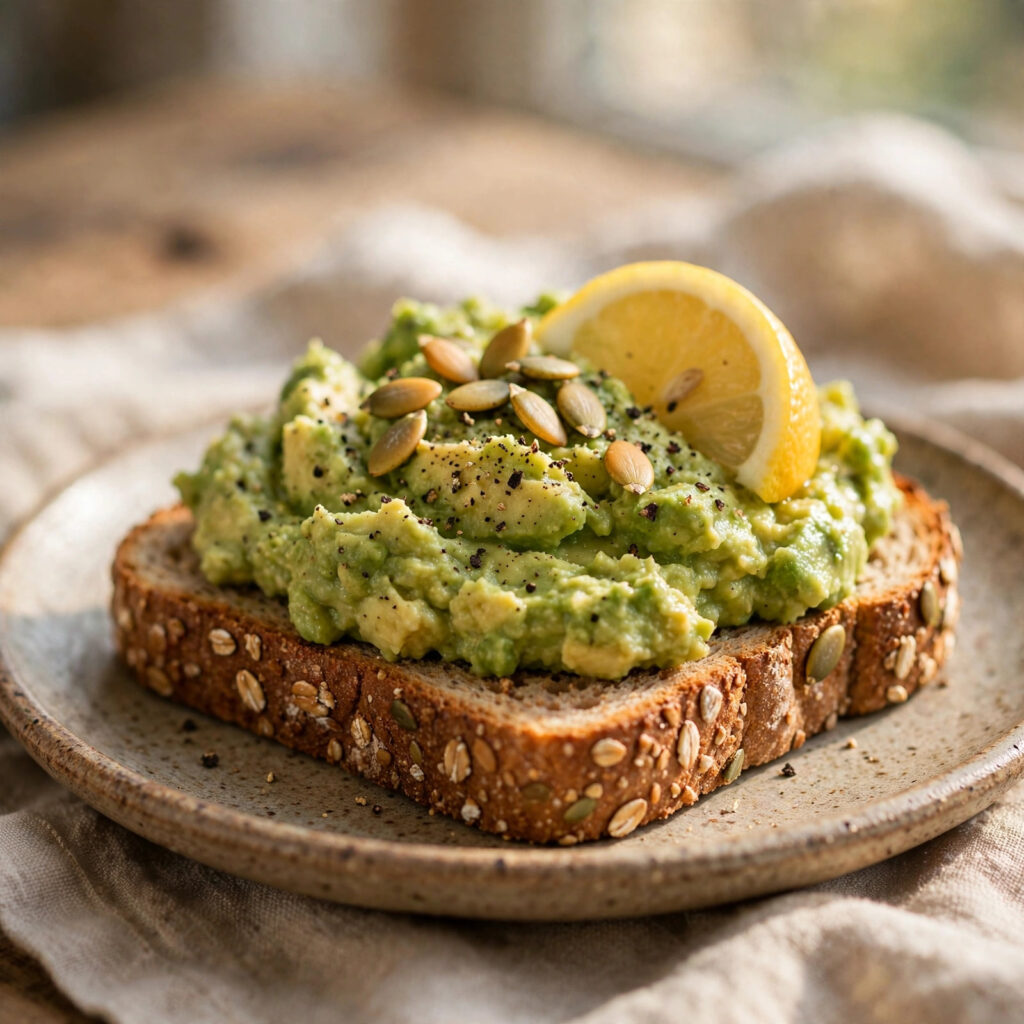
4. Avocado Toast on Whole-Grain Bread
What it is: Mashed avocado on hearty whole-grain toast, topped with a squeeze of lemon, cracked pepper, and pumpkin seeds.
Why it helps: Avocado is rich in monounsaturated fats and potassium, both linked to heart health. Whole grains add fiber, and pumpkin seeds provide zinc and healthy fats.
Quick prep tip: Add a handful of arugula or a poached egg on top to boost vegetables and protein. Sprinkle chili flakes if you like a little heat.
5. Salmon and Cream Cheese Whole-Grain Bagel (Open-Faced)
What it is: Half a whole-grain bagel spread thinly with cream cheese, topped with smoked salmon, cucumber slices, and fresh dill.
Why it helps: Salmon is one of the best sources of omega-3 fatty acids, which are linked to lower inflammation and better heart health. This breakfast feels indulgent but packs serious nutrition.
Quick prep tip: Go open-faced with half a bagel to keep portions reasonable. A few capers and a squeeze of lemon brighten the flavor without extra salt.
6. Chia Seed Pudding
What it is: Chia seeds stirred into milk with a little vanilla, left overnight, then topped with sliced mango or kiwi and a few almonds.
Why it helps: Chia seeds are tiny but mighty — they are full of fiber, omega-3s, and minerals like magnesium. Fiber helps digestion and may help keep blood sugar steadier after meals.
Quick prep tip: The basic ratio is 3 tablespoons of chia seeds to 1 cup of milk. Stir well at first so the seeds do not clump. It keeps in the fridge for up to four days.
7. Mediterranean Breakfast Bowl
What it is: A bowl of plain yogurt or whole-grain toast topped with sliced tomatoes, cucumber, olives, a drizzle of olive oil, and a sprinkle of oregano. Add a boiled egg on the side.
Why it helps: This style of eating is one of the most researched patterns in nutrition science. The Mediterranean diet — rich in vegetables, olive oil, and legumes — is linked to lower inflammation and a healthier heart.
Quick prep tip: Keep olives, olive oil, and dried oregano on hand, and this comes together in minutes. A squeeze of lemon lifts all the flavors.
8. Sweet Potato and Black Bean Hash
What it is: Diced sweet potato and black beans sautéed with onion and bell pepper in olive oil, finished with a fried egg.
Why it helps: Sweet potatoes are rich in beta-carotene and fiber. Black beans add plant protein and more fiber — a combination that keeps you full for hours. Colorful vegetables mean a wider range of protective plant compounds.
Quick prep tip: Use leftover roasted sweet potato to cut cooking time. Make a big batch and reheat portions during the week.
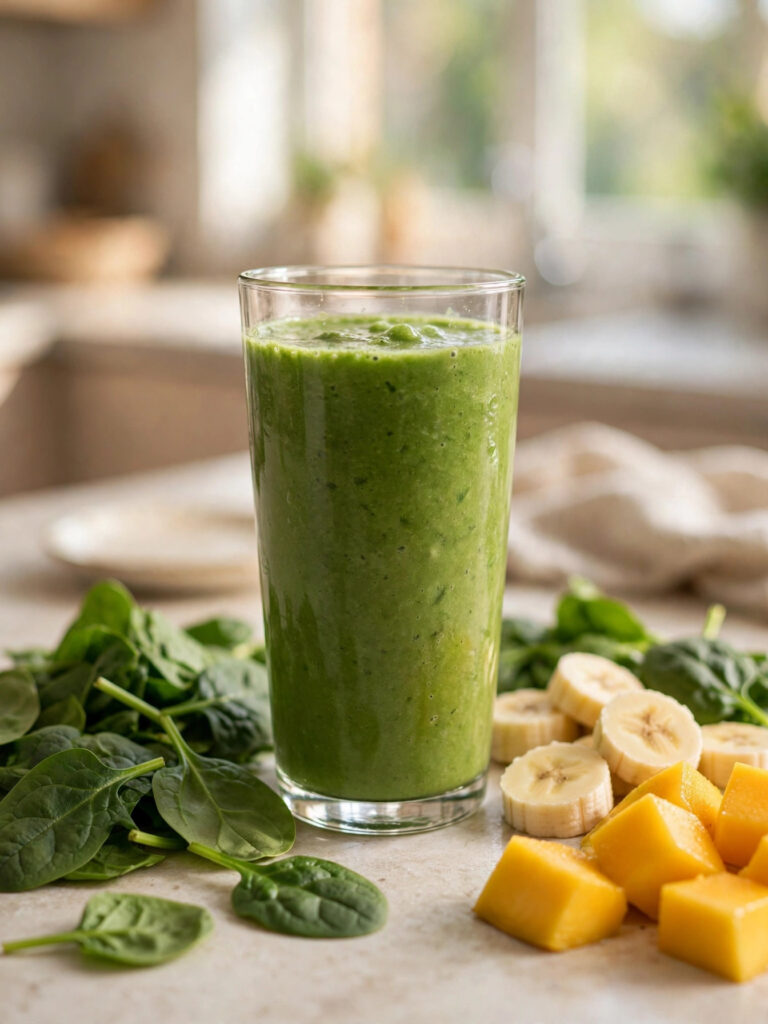
9. Green Smoothie With Greens, Fruit, and Nut Butter
What it is: A blend of spinach or kale, banana, frozen mango, a spoonful of almond or peanut butter, ground flaxseed, and water or milk.
Why it helps: Smoothies make it easy to fit in a full serving (or two) of greens before your day starts. Nut butter and flaxseed add healthy fats and fiber that keep the smoothie satisfying instead of sugary.
Quick prep tip: Freeze smoothie packs in bags — greens, fruit, and flaxseed portioned together — so mornings are just “add liquid and blend.”
10. Warm Quinoa Porridge With Apples and Almonds
What it is: Cooked quinoa simmered in milk until creamy, topped with diced apple, sliced almonds, and a dash of cinnamon.
Why it helps: Quinoa is a complete protein, meaning it contains all essential amino acids — unusual for a plant food. Apples add soluble fiber, and almonds add vitamin E and healthy fats.
Quick prep tip: Cook a pot of quinoa on Sunday and portion it for the week. Warm a serving each morning with milk and toppings for a five-minute breakfast.
Putting it together
You do not need to overhaul your diet overnight. Start with one or two of these breakfasts and add them to your weekly rotation. Small, steady changes are the ones that stick — and breakfast is the easiest meal to make consistent.
A few general habits can help too: cook with olive oil more often, keep frozen berries in the freezer, and aim for at least one colorful fruit or vegetable at every meal. Over time, these choices add up.
When to see a doctor
Diet supports good health, but it is not a substitute for medical care. Talk to your doctor or a registered dietitian if you notice any of the following:
- Joint pain, swelling, or stiffness that does not improve
- Unexplained weight changes or persistent digestive problems
- Fatigue that does not get better with rest
- You take medication for blood pressure, blood sugar, or blood thinning — some foods, such as turmeric or leafy greens, can interact with certain medicines
- You have a diagnosed condition like diabetes, kidney disease, or heart disease and want to change your eating habits
A clinician or dietitian can help you adjust your diet safely alongside any treatment plan.
Sources
- National Institute on Aging (NIA) — https://www.nia.nih.gov
- Centers for Disease Control and Prevention (CDC) — https://www.cdc.gov
- Mayo Clinic — https://www.mayoclinic.org
- NHS — https://www.nhs.uk
- Harvard T.H. Chan School of Public Health, The Nutrition Source — https://www.hsph.harvard.edu/nutritionsource/
- Cleveland Clinic — https://my.clevelandclinic.org
This article is for general information only and is not medical advice. Talk to your doctor or a registered dietitian about your personal nutrition needs.