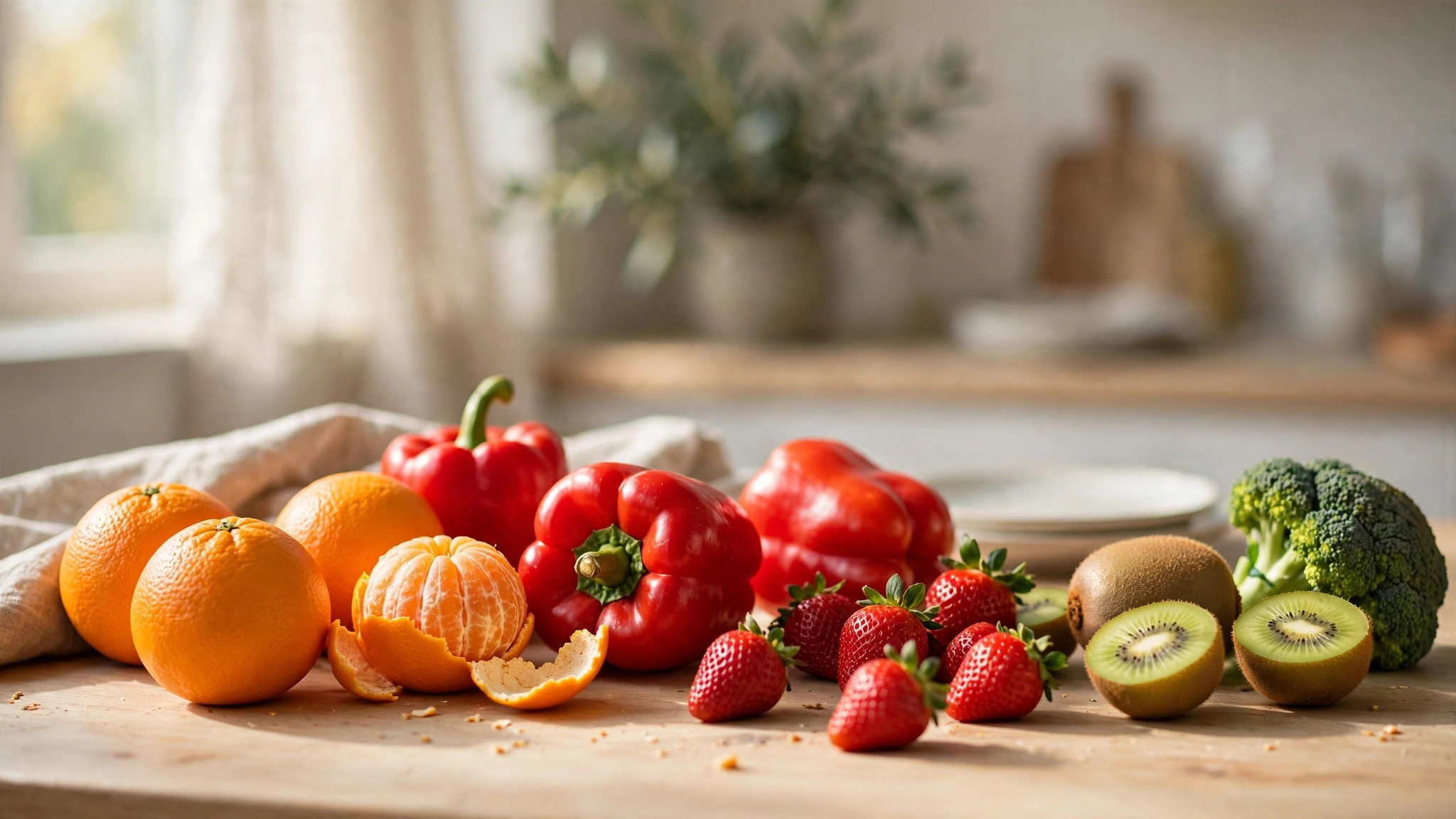
Vitamin C After 60: Foods, Immunity, and How Much You Need
If there is one vitamin most of us reach for when a cold is coming on, it is vitamin C — and after 60, the details are not quite as simple as the habit suggests.
Vitamin C matters: your body needs it to make collagen, the protein behind wound healing. It supports the immune system and helps you absorb iron from plant foods. But the amount you need is modest, food covers it easily, and the extra-large doses in supplement bottles do not deliver the extra protection buyers expect.
What vitamin C does — and why it matters after 60
Unlike most animals, humans cannot make vitamin C, so it must come from food every day — the body stores little of it. The NIH Office of Dietary Supplements describes it as a water-soluble antioxidant that helps protect cells from free-radical damage.
Its best-established jobs are practical: it is needed to make collagen, which supports wound healing and the structure of skin, blood vessels and tendons, and it supports white blood cells and helps you absorb iron from plant foods.
True deficiency — scurvy — is rare in the United States and Canada today; the NIH notes it develops only after many weeks of little or no vitamin C (below about 10 mg a day). The more realistic question after 60 is whether your everyday intake sits above the minimum.
The best food sources of vitamin C
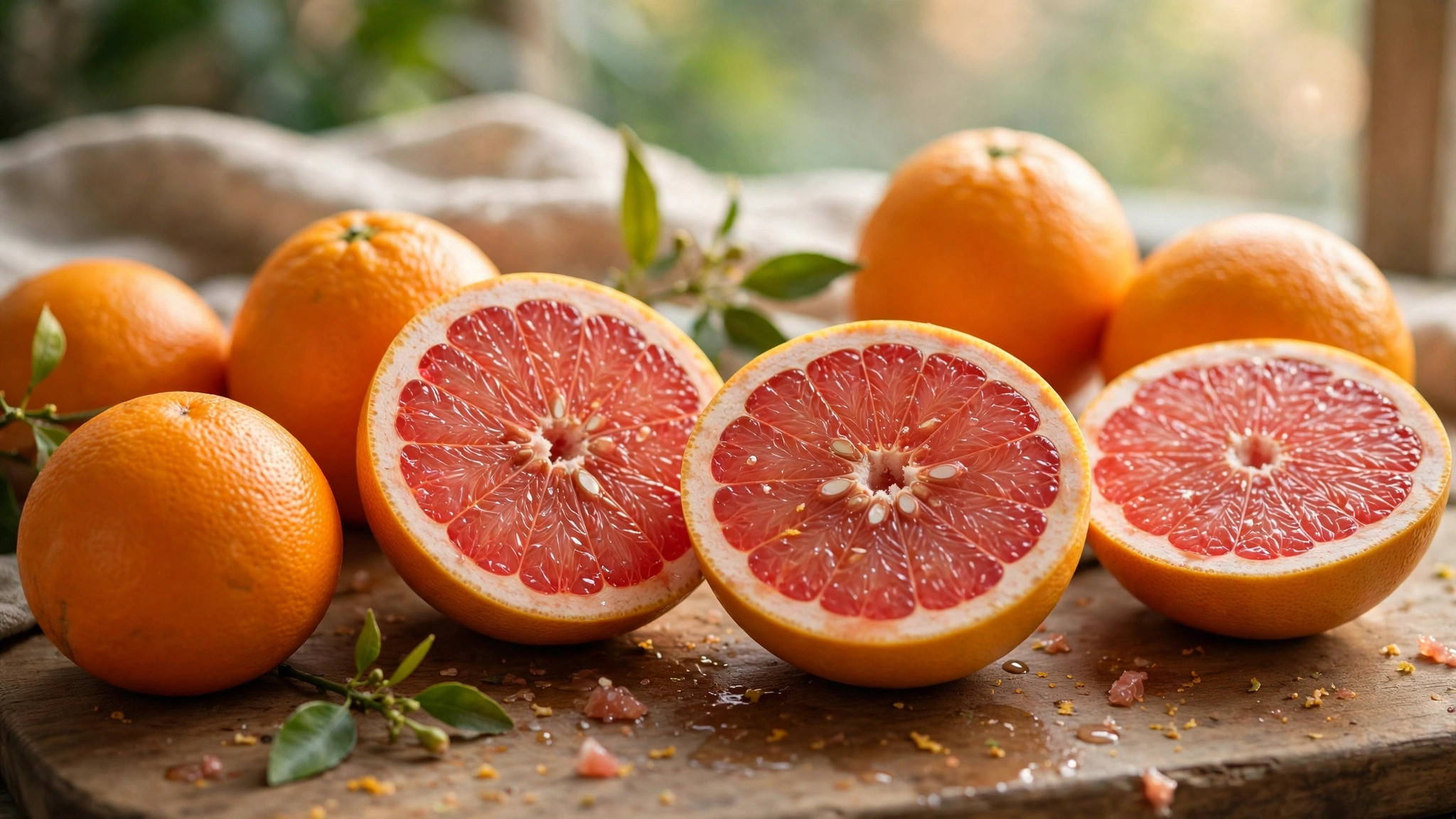
Fruits and vegetables are the best sources — a raw red pepper holds more vitamin C per serving than a medium orange. Figures below are from the NIH Office of Dietary Supplements (typical US servings; amounts vary).
Vitamin C in everyday foods (approximate, per serving)
| Food | Serving | Vitamin C (approx.) |
|---|---|---|
| Red sweet pepper, raw | 1/2 cup | 95 mg |
| Orange juice | 3/4 cup | 93 mg |
| Strawberries, fresh, sliced | 1/2 cup | 49 mg |
| Orange | 1 medium | 70 mg |
| Kiwifruit | 1 medium | 64 mg |
| Green sweet pepper, raw | 1/2 cup | 60 mg |
| Broccoli, cooked | 1/2 cup | 51 mg |
| Brussels sprouts, cooked | 1/2 cup | 48 mg |
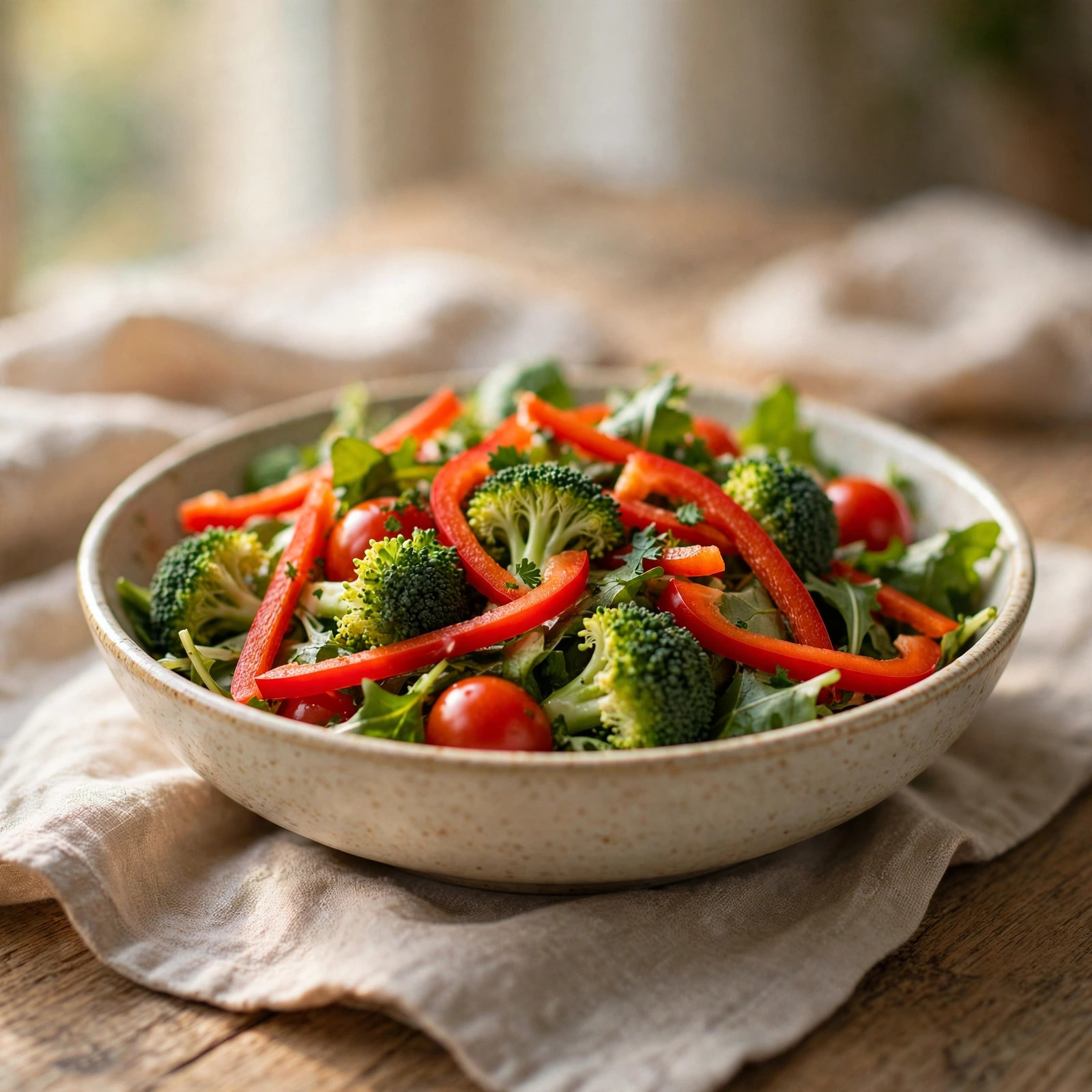
One serving of several of these foods covers most or all of a day’s need — peppers at dinner, berries at breakfast, an orange as a snack. One note: vitamin C is sensitive to heat and dissolves in water, so prolonged boiling reduces it.
How much vitamin C do you need?
The US Recommended Dietary Allowance (RDA) is 75 mg a day for women aged 19 and over and 90 mg a day for men; people who smoke should add 35 mg. The tolerable upper limit for adults is 2,000 mg a day from all sources combined — a safety boundary, not a target.
The UK’s NHS sets a lower bar — 40 mg a day for adults 19 to 64, the amount considered enough to prevent deficiency. Either way, ordinary food in variety is enough for most healthy adults — and many of these foods are staples of the Mediterranean diet after 50.
Smoking and age: why needs shift after 60
Age itself does not raise the official RDA — the figures above apply to all adults from 19 onward.
Smoking is the biggest factor. The NIH states that people who smoke need 35 mg more vitamin C per day than non-smokers, raising the target to 110 mg for women who smoke and 125 mg for men who smoke; people regularly exposed to secondhand smoke are also more likely to fall short. A couple of extra servings of vitamin C-rich food a day helps — and quitting does far more than any nutrient can.
Appetite and variety often shrink. Smaller meals and a narrower shopping list leave less room for error. The fix is variety, not volume: one pepper, one piece of fruit or a handful of berries.
Some medical situations raise the risk of low intake: the NIH lists people who eat a very limited variety of food, and people with severe malabsorption, some cancers, or kidney disease requiring haemodialysis. If any of those apply, raise it at your next appointment. Supplements can also interact with some medicines — tell your doctor and pharmacist about anything you take.
Vitamin C and colds: what the evidence actually says
The NIH’s summary is plain: for most people, vitamin C supplements do not reduce the risk of catching a cold, though people who take it regularly might have slightly shorter or milder colds. Starting it after symptoms appear does not appear to help.
The Cochrane review behind that summary — 29 trial comparisons involving more than 11,000 people — found the same pattern: no prevention in the general population, but colds shortened by about 8% in adults and 14% in children when vitamin C was taken regularly. The one exception was people under short bursts of extreme physical stress, such as marathon runners, where regular vitamin C cut cold risk by about half.
The honest takeaway: vitamin C-rich foods support your immune system — but a megadose tablet is not a shield against colds, and starting one once you feel ill has no consistent evidence. The NHS agrees, noting little evidence that vitamin C supplements prevent colds or speed recovery.
Why megadose supplements are not the same as food
Pharmacy shelves offer vitamin C tablets of 500 mg, 1,000 mg or more — five to ten times the daily requirement in one pill. The body handles that very differently.
First, absorption drops as the dose rises. At ordinary intakes of roughly 30–180 mg a day, the body absorbs about 70–90% of vitamin C; above 1 gram in a single dose, absorption falls below 50% and the excess is largely excreted. A 1,000 mg tablet does not deliver ten times the benefit of a 100 mg serving of food.
Second, high doses commonly cause gut trouble: the NIH warns of diarrhoea, nausea and stomach cramps, and the NHS notes that more than 1,000 mg a day can cause stomach pain, diarrhoea and wind.
Third, there is a kidney-stone caution. Mayo Clinic lists vitamin C supplements among the products that can raise kidney-stone risk, and high doses can increase oxalate in the urine, the substance behind the most common type of stone. A large Swedish study in JAMA Internal Medicine found men taking high-dose supplements were about twice as likely to develop kidney stones, although the absolute risk was still low and the study was observational, not a randomised trial.
Fourth, food brings company: an orange adds fibre, potassium and folate. A tablet delivers one compound, in isolation, at a dose your body mostly discards.
Supplements are not never useful: a modest one may be reasonable if your diet is very limited, you smoke and eat little fruit and veg, or a clinician has found a specific gap — the same food-first logic applies to vitamin B12 and calcium after 50. Keep the dose modest — well under the 2,000 mg upper limit — and tell your doctor, especially if you take blood thinners, statins or cancer treatment, or have kidney disease or haemochromatosis.
A simple day of vitamin C-rich eating
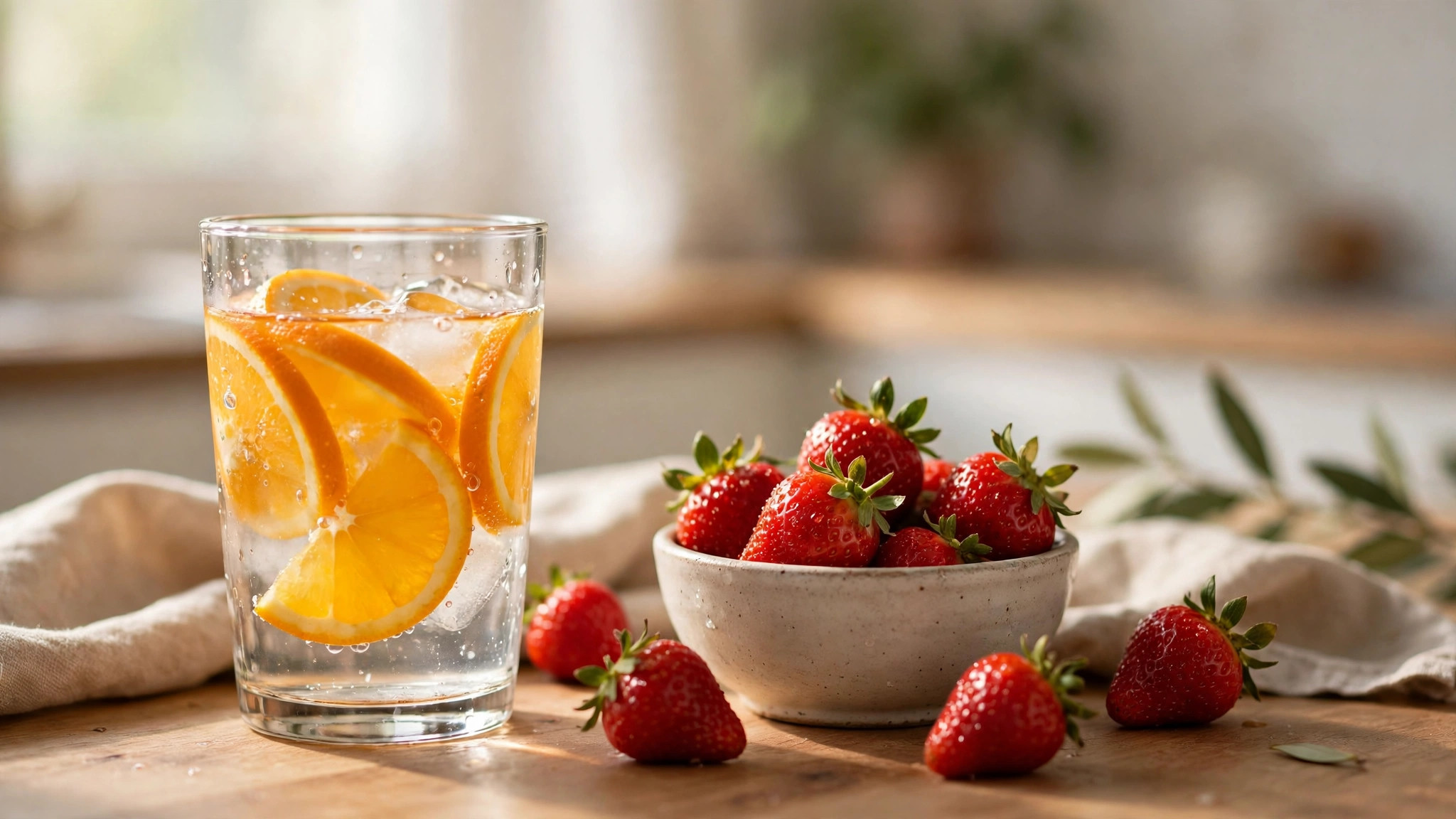
You do not need a spreadsheet. A cup of strawberries with yoghurt at breakfast (about 98 mg), sliced raw red pepper in a lunch salad (half a cup, about 95 mg) and steamed broccoli at dinner (half a cup cooked, about 51 mg) totals roughly 244 mg — more than double the RDA.
When to see a doctor
See a clinician if you notice bleeding or swollen gums, slow-healing wounds, easy bruising, or persistent fatigue and joint pain — possible signs of very low vitamin C. Also seek advice if you eat a very limited range of foods or have a condition that affects nutrient absorption; if you have a history of kidney stones and are considering a supplement; or if you take regular medicines and want to start a high-dose supplement. Bring the bottle — or a photo of its label — to the appointment.
Quick answers to common questions
Do I need a vitamin C supplement after 60? For most people, no. If you eat fruit and vegetables most days, you are very likely meeting the 75–90 mg target from food. Discuss a supplement only if your diet is very limited, you smoke, or a clinician has found a specific reason.
Is 1,000 mg of vitamin C a day safe? It is below the 2,000 mg upper limit, and the NHS notes less than 1,000 mg a day from supplements is unlikely to cause harm. But it is more than ten times what most adults need, and it may upset the stomach or raise kidney-stone risk.
The bottom line
Vitamin C after 60 is a story of enough, not more: it matters for collagen and wound healing, immune function and absorbing iron from plant foods — but the amount you need is small, and ordinary fruit and vegetables supply it generously. A pepper at lunch and berries at breakfast can cover the day twice over; the best vitamin C strategy is a shopping list, not a supplement bottle.
Sources
- NIH Office of Dietary Supplements, “Vitamin C — Consumer Fact Sheet” — https://ods.od.nih.gov/factsheets/VitaminC-Consumer/
- NIH Office of Dietary Supplements, “Vitamin C — Fact Sheet for Health Professionals” — https://ods.od.nih.gov/factsheets/VitaminC-HealthProfessional/
- Harvard T.H. Chan School of Public Health, The Nutrition Source, “Vitamin C” — https://nutritionsource.hsph.harvard.edu/vitamin-c/
- Mayo Clinic News Network, “Mayo Clinic Q and A: Does vitamin C help us when we’re sick?” (Nov 2024) — https://newsnetwork.mayoclinic.org/discussion/mayo-clinic-q-and-a-does-vitamin-c-help-us-when-were-sick/
- NHS, “Vitamins and minerals — Vitamin C” — https://www.nhs.uk/content-widgets/health-a-to-z/vitamins-and-minerals/vitamin-c
- Hemilä H, Chalker E. “Vitamin C for preventing and treating the common cold.” Cochrane Database of Systematic Reviews, 2013 (1): CD000980.
This article is for general information only and is not medical advice. Talk to your doctor or a registered dietitian about your personal nutrition needs.