
Best Ashwagandha Supplement for Stress After 50: A Safe Buying Guide
Stress doesn’t retire when you do. After 50, many adults juggle caregiving duties, retirement transitions, health worries, and quieter social lives — a combination that can keep stress simmering for years. It’s no surprise that stress is a concern many adults carry well into their 60s and beyond, and that loneliness and health are closely connected.
That pressure has turned ashwagandha — an herb with deep roots in traditional Indian medicine — into one of the most popular stress supplements in the world. But popularity is not the same as quality. Products differ wildly in what’s actually inside the capsule, and the evidence behind ashwagandha is promising but modest, not miraculous.
This buying guide walks you through what the research actually says, how to read a label like an expert, and — most importantly — the safety issues that matter most after 50. No product names, no hype. Just what you need to shop confidently and talk intelligently with your doctor.
What Is Ashwagandha?
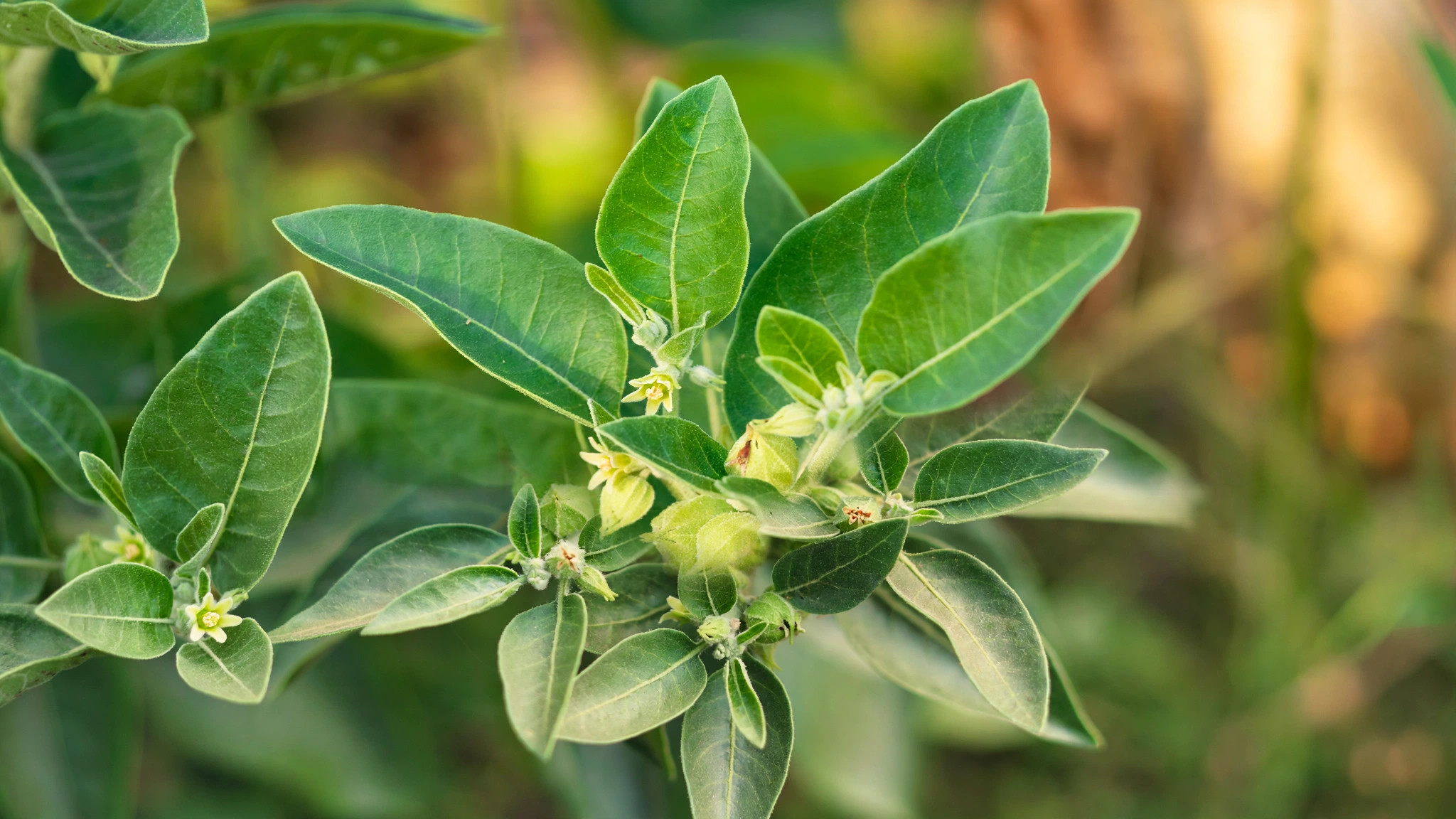
Ashwagandha (Withania somnifera), sometimes called Indian ginseng or winter cherry, is an evergreen shrub native to parts of India, the Middle East, and Africa. Its root has been used in Ayurvedic practice for centuries, traditionally as an “adaptogen” — a term used for herbs thought to help the body manage physical and mental stress.
Modern interest centers on the root (and sometimes the leaves), which contain a group of active compounds called withanolides. Most clinical research has tested standardized root extracts — meaning the manufacturer concentrates and standardizes the extract to contain a consistent percentage of withanolides, usually around 2.5–5%. That’s an important detail, because plain dried root powder in a capsule may contain far less of these compounds and is much harder to compare against trial evidence.
According to the National Center for Complementary and Integrative Health (NCCIH), ashwagandha is one of the more commonly used herbal supplements in the United States, and research into its effects is ongoing but still limited in both size and duration of studies.
What the Research Says About Stress and Sleep
Here’s the honest summary: the evidence suggests ashwagandha may help with stress and sleep, but the effects are modest, and most studies are small and short-term.
- Stress and anxiety scores. Several randomized controlled trials in adults — typically lasting 8 to 12 weeks — found that participants taking standardized ashwagandha root extract reported lower perceived stress and anxiety scores than those taking placebo. A widely cited 2012 trial in India, for example, reported reduced scores on standard stress questionnaires along with lower morning cortisol in the treatment group.
- Cortisol. A handful of trials have reported that ashwagandha supplementation is linked to lower cortisol levels (cortisol is the body’s main stress hormone). However, these studies are small — often fewer than 100 participants — and the findings are preliminary rather than conclusive.
- Sleep quality. A 2020 meta-analysis of several trials suggested ashwagandha may be linked to modest improvements in sleep quality and sleep onset, particularly in adults who started with insomnia symptoms. Improvements were measured in minutes, not hours.
- What the trials used. Most studies tested standardized root extracts at doses of roughly 250–600 mg per day, split or taken once daily. These were trial doses under study conditions — not a prescription for you. The right approach, if any, is something to discuss with your doctor.
Important perspective: ashwagandha is not a treatment for anxiety disorders, depression, or chronic insomnia. If stress or sleeplessness is interfering with your daily life, that deserves a real conversation with a healthcare professional, not a supplement bottle. Better sleep changes after 50 usually start with habits — consistent bedtimes, morning daylight, and limiting late-day caffeine — before any supplement enters the picture.

What to Look For When Buying Ashwagandha
Walk into any supplement aisle and you’ll face dozens of options. Here’s how to evaluate them like an expert.
1. Know the three extract types
Not all ashwagandha products are the same. The market breaks down into three broad categories:
| Root extract (e.g., KSM-66 type) | Root-and-leaf extract (e.g., Sensoril type) | Generic root powder | |
|---|---|---|---|
| What it is | Concentrated extract from the root only, standardized to ~5% withanolides | Extract from both root and leaves, typically standardized to ≥10% withanolides (but a different withanolide profile) | Dried, ground root in a capsule — minimal processing |
| Research behind it | The most-studied form; used in many published clinical trials | Studied in some trials, mostly by its developers | Very little clinical research; hard to compare doses to trial evidence |
| Typical trial doses | ~300–600 mg/day | ~125–500 mg/day | Rarely studied at fixed doses |
| Practical takeaway | Closest match to the published stress/sleep research | A legitimate researched option with a different plant profile | Least evidence; quality varies widely by brand |
(The two named extract styles are proprietary manufacturing methods, not brand endorsements — what’s worth comparing is the type of extract and whether its withanolide content is standardized, not the trademark on the label.)
2. Check standardization on the label
A reputable product states the percentage of withanolides on the label — typically 2.5–5% for root extracts, higher for root-and-leaf types. If the label just says “ashwagandha root powder” with no standardization figure, you’re buying an unknown and unquantifiable amount of active compounds. Standardization matters because it’s the only way to know you’re getting anything close to what was tested in research.
3. Look for third-party testing
The supplement industry is not regulated like prescription drugs. Independent quality seals — such as USP Verified, NSF Certified for Sport, or a clearly named third-party lab with batch-level Certificates of Analysis — are your best signal that the product actually contains what the label claims and is free of heavy metals or contaminants. Herbal products can and do vary from batch to batch, so this matters more than marketing claims.
4. Capsules vs. gummies
- Capsules and tablets are the form used in nearly all clinical research. They’re straightforward to dose and don’t add sugar.
- Gummies are newer and trendier, but they’re often underdosed relative to trial amounts and may contain significant added sugar per serving — a real drawback for adults managing blood sugar. If you choose a gummy, read the supplement facts panel carefully and compare the actual withanolide content to the 250–600 mg trial context.
5. Dose context — and why “more” isn’t better
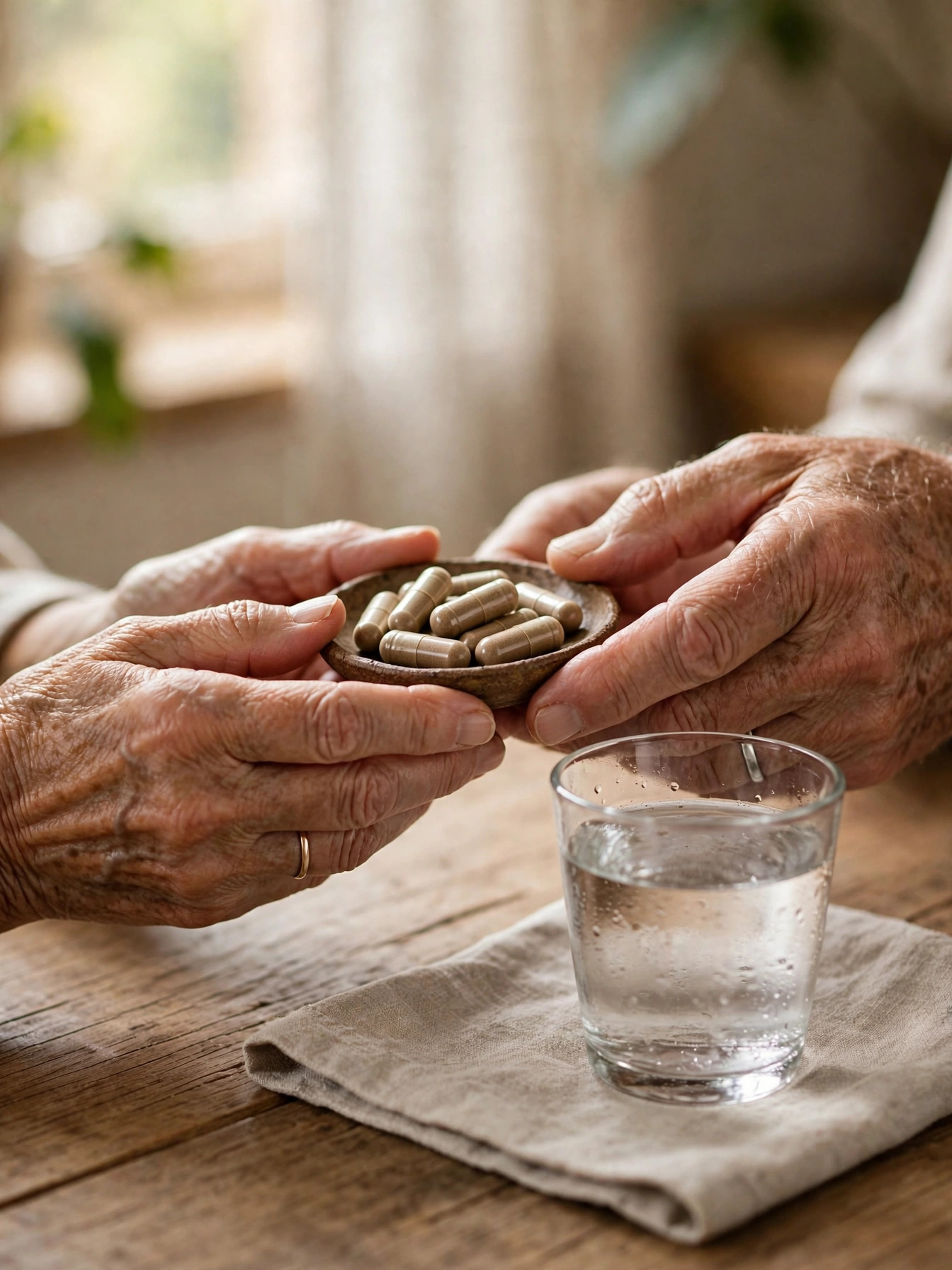
Trial doses of 250–600 mg per day of standardized extract are a research reference point, not a recommendation. Start any conversation with your doctor by asking whether a supplement is appropriate for you at all, and whether the dose you see in trials makes sense given your health, medications, and thyroid status. More is not better — side effects and interactions scale with dose.
Quick buying checklist:
- Root extract or root-and-leaf extract, not plain unstandardized powder
- Standardization percentage clearly printed (withanolides ~2.5–5% for root extracts)
- Third-party testing seal or published Certificate of Analysis
- Realistic dosing per serving (compare with the 250–600 mg trial context)
- No “proprietary blend” hiding the ashwagandha amount
- Minimal added sugar and no unnecessary fillers
Safety and Interactions You Should Know
This is the section that matters most after 50, when prescription medications are more common. Ashwagandha is often described as “natural,” but natural does not mean risk-free. The Mayo Clinic and Cleveland Clinic both advise caution with herbal supplements and stress that interactions with medications are common and underreported.
- Thyroid medications. Ashwagandha may raise thyroid hormone levels. For people taking levothyroxine (or related thyroid medications) for hypothyroidism, adding ashwagandha could push hormone levels too high. If you take thyroid medication, talk to your doctor before considering ashwagandha — and ask whether your thyroid levels should be monitored.
- Sedatives and sleep medications. Because ashwagandha may have mild sedative properties, combining it with benzodiazepines, sleep medications, or other sedating drugs could increase drowsiness and slow reaction time. This is especially relevant for adults over 60, where falls are a serious risk.
- Pregnancy and breastfeeding. Ashwagandha is traditionally considered unsafe in pregnancy (it’s linked to miscarriage risk in traditional use). It should be avoided if you are pregnant or breastfeeding.
- Rare liver injury reports. A small number of case reports — including reports cited in the medical literature and reviewed by agencies in several countries — have linked ashwagandha to drug-induced liver injury in rare instances, typically with prolonged or high-dose use. If you have liver disease, or notice yellowing skin, dark urine, or unusual fatigue, stop the supplement and seek care promptly. People taking other medications processed by the liver should be especially cautious.
- Autoimmune conditions. Because ashwagandha may stimulate the immune system, people with autoimmune conditions such as rheumatoid arthritis, lupus, or Hashimoto’s thyroiditis should discuss it with their doctor first.
- Surgery. Ashwagandha may slow the central nervous system, so most clinicians advise stopping it at least two weeks before scheduled surgery.
Mild side effects reported in trials include stomach upset, diarrhea, and drowsiness. If anything feels off, stop and talk to your doctor — don’t push through hoping it will pass.

When to See a Doctor
Supplements can’t substitute for medical care, and chronic stress deserves proper attention. See a doctor promptly if you experience:
- Persistent anxiety, panic, or low mood that interferes with daily life
- Sleep problems lasting more than a few weeks despite good sleep habits
- Chest tightness, heart palpitations, or shortness of breath — these need evaluation, not a supplement
- Any side effects after starting a supplement: rash, stomach pain, unusual fatigue, or yellowing skin
- You’re pregnant, breastfeeding, or managing thyroid disease, liver disease, or an autoimmune condition
Bring the actual product bottle (or a photo of the supplement facts panel) to your appointment so your doctor can see exactly what you’re taking.
Sources
- National Center for Complementary and Integrative Health (NCCIH) — Ashwagandha: https://www.nccih.nih.gov/health/ashwagandha
- National Institutes of Health, LiverTox — Ashwagandha and liver injury: https://www.ncbi.nlm.nih.gov/books/NBK548536/
- Mayo Clinic — Herbal supplements and drug interactions: https://www.mayoclinic.org/healthy-lifestyle/consumer-health/in-depth/herbal-supplements/art-20046488
- Cleveland Clinic — on adaptogens and ashwagandha safety: https://health.clevelandclinic.org/what-is-ashwagandha
- Mount Sinai — Ashwagandha overview and interactions: https://www.mountsinai.org/health-library/herb/ashwagandha
- Chandrasekhar K, et al. — clinical trial of high-concentration ashwagandha root extract for stress and anxiety in adults (Indian Journal of Psychological Medicine, 2012): https://pmc.ncbi.nlm.nih.gov/articles/PMC3573577/
This article is for informational purposes only and is not medical advice. Talk to your doctor before starting any supplement.